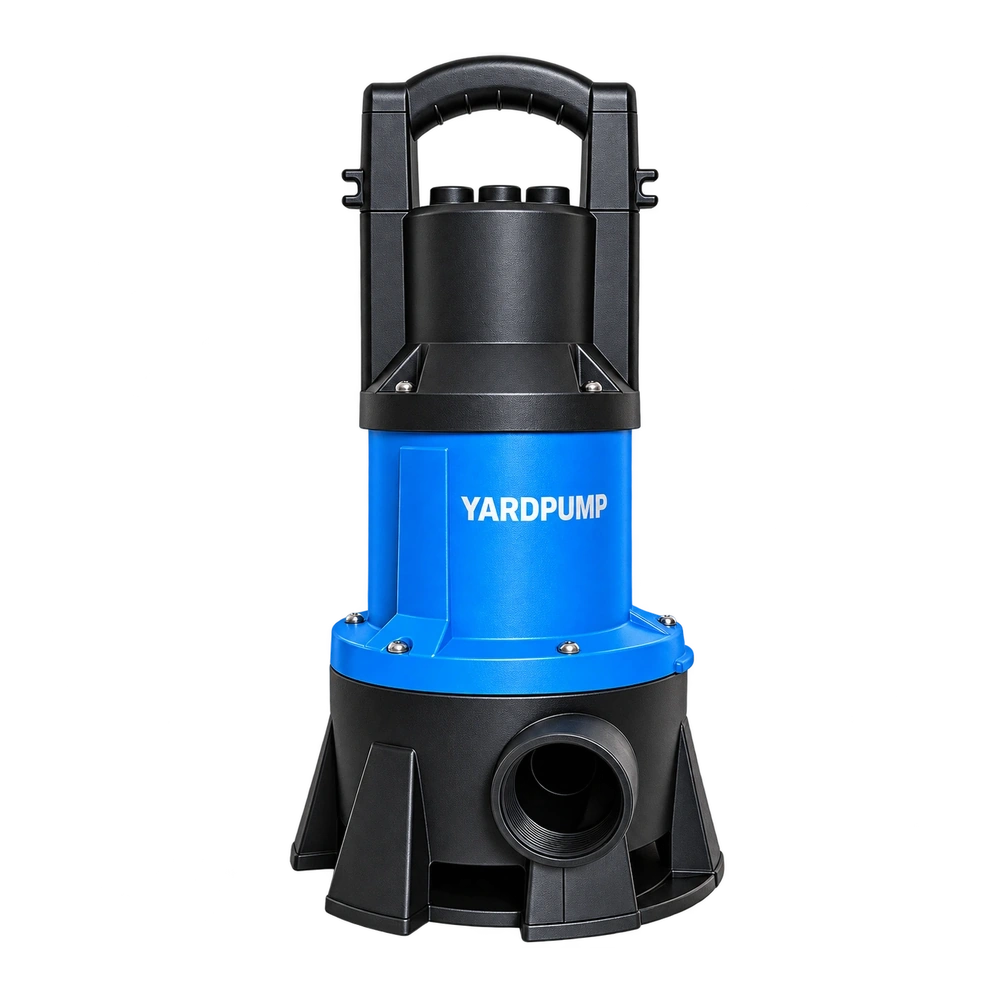
A factory pressurises the housing, immerses it and watches for bubbles, and the buyer assumes this is equivalent to proving that the complete pump cannot admit water. It is not. An air test uses differential pressure to find through-leaks quickly, while an immersion test more closely applies external water pressure. Direction, pressure, duration, temperature and blocked interfaces all change the evidence.
What drives the result
Positive internal air pressure drives gas outward and makes continuous bubbles visible, but some seals respond differently to external pressure. Static immersion loads the housing from outside; without a sensitive moisture check, small ingress may not be immediately visible. Excessive air pressure can deform a plastic housing or seal in a way that never occurs in service. Blocking a cable entry, shaft opening or intended vent during test may bypass the real risk path.
An illustrative way to check
A production air screen can define stabilized pressure, hold time, permitted decay and bubble criteria. A type or lot immersion test can separately define water depth, duration, sample temperature, running or stationary state, and post-test insulation, internal inspection or moisture criteria. Together they are auditable; a generic waterproof tested statement is not.
Translate pump air leak versus immersion test into a signed record before the purchase order, not an argument at final inspection. Define sample identity, measurement boundary, instruments and units, stabilisation conditions, decision rule, retest method and disposition of a failure. The record should trace to the exact model, BOM revision and production lot. Photographs can preserve condition but cannot replace numerical evidence. If either party proposes a different acceptance method, document the risk changed by that revision before approving it.
Actions for the site or purchasing team
- Map the pressure boundary across housing, shaft seal, cable entry, joints and fasteners.
- State pressure direction, medium, level, duration, temperature and every blocked port in the drawing or inspection plan.
- Challenge the equipment with a known calibrated leak or reference part to confirm detection capability.
- Separate rapid production screening from design validation and retain the raw trace or result.
- Record the actual leak location and repair route; do not merely add sealant and erase the defect history.
Limits and application boundary
Pressure and duration must come from design capability, materials and applicable requirements. Never copy another pump's air pressure without engineering validation because housing rupture can injure personnel.
Frequently asked questions
Does no bubble prove an IP rating? No. An IP validation has defined conditions; a production air test is only a screening method.
Is higher air pressure always better for finding leaks? No. Excess pressure can create unrealistic deformation and safety hazards.
Is a dry exterior enough after immersion? Usually not. Define insulation, internal moisture or another measurable criterion.
Related reading
Where Can Water Enter a Plastic Submersible Pump? Five Interfaces to Inspect
Does a 100% Run Test Prove Every Pump Meets Its Performance Rating?