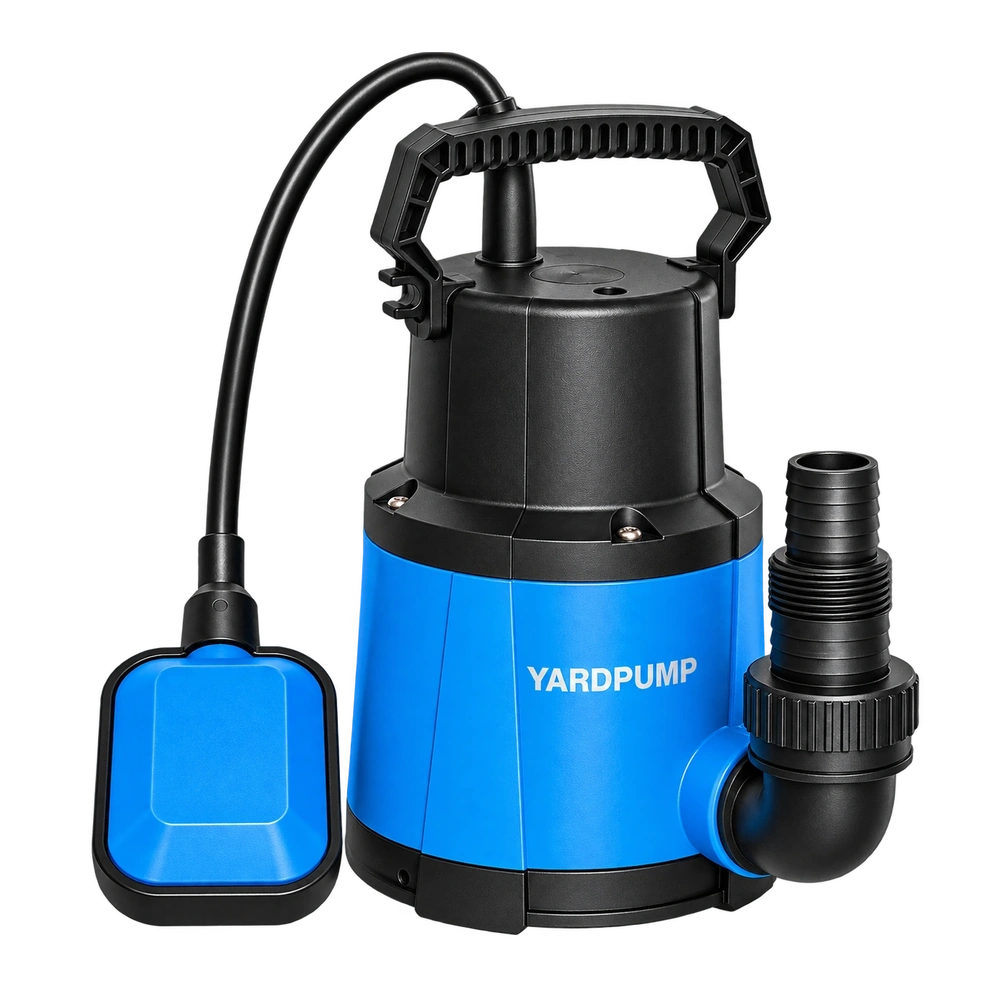
A purchasing team approved a replacement component on one submersible pump. Later the supplier proposes using it on every model sharing the same housing. Can the approval travel with the component? Only to configurations explicitly covered by the approval. Shared dimensions can make a part fit while leaving the duty, electrical protection, sealing, or other interfaces different.
Record the approval as a list of permitted combinations
The approval record should identify the original and alternate part, their drawings and revisions, the exact pump variants and the conditions of use. Include relevant voltage or frequency, enclosure or liquid exposure, and any mating part that must change with the alternate. A notation such as “or equivalent” leaves operators without a testable release rule. State whether the alternate is approved by itself, only as part of a kit, or only after a change to another component or process.
Consider a stationary seal supplied with a different seat material and a different gasket. A combination may be satisfactory when both parts are installed together on one pump revision. That does not show that the new seat can be used with the old gasket, or that the same kit fits a pump with another seat depth. An approved combination should be represented by its complete set of parts, not by two independent choices a buyer assumes can be mixed.
Decide what carries across variants
Compare interfaces and failure modes before expanding scope. A supplier may use an engineering rationale where the relevant dimensions, material exposures and loads are the same and that rationale is accepted. If a different motor variant imposes another load, or a different hydraulic version changes pressure at a seal, confirm which characteristics require a new test. Verify applicable market and conformity documentation separately where the component can affect it. Similar naming does not extend a document’s scope. No blanket approval should be entered without a defined basis and authorized sign-off.
In an illustrative case, a revised cable gland has been approved with a particular cable jacket and diameter. A sister model uses a cable of similar outside size but another jacket material. A fit check does not establish grip or water exclusion under the same exposure. The permitted combinations are the exact gland and cable pair validated for each relevant housing revision. An unsupported combination stays blocked until it has been evaluated.
Carry the decision into production and service
Tie the approval to purchasing codes, bills of material, work instructions and traceability. Mark the first applicable lot and confirm which stock is eligible. If parts must be issued together, control the kit rather than relying on assemblers to recognize a subtle difference. During first production, reconcile the actual installed parts with the approved combination. Capture supplier lot and pump serial or batch so that a suspected alternate can be traced without holding unrelated stock.
Service stock needs the same clarity. Provide a compatibility list for old and new revisions and state whether replacements must be paired. Keep removed combinations distinguishable from current choices. An approved alternate is useful when it gives flexibility without creating an untested configuration. Its scope should be visible to the person picking the part, the person assembling the pump and the person handling a later return.
Run the rule through a trial pick for both the original and the alternate. If the system cannot prevent an unapproved pairing, use a separate controlled issue step before releasing stock.
Frequently asked questions
Can an alternate use the same purchasing code as the original?
Only if the controlled system can preserve approved configuration and lot traceability. A shared code alone gives no proof of what was installed.
Does a drop-in fit establish equivalence?
No. Fit is one criterion. The relevant performance, materials and interactions must also be addressed.
What if the supplier needs an alternate before approval is complete?
Keep it outside ordinary production release and follow the agreed change process. Do not let a proposed alternate silently become a standard part.