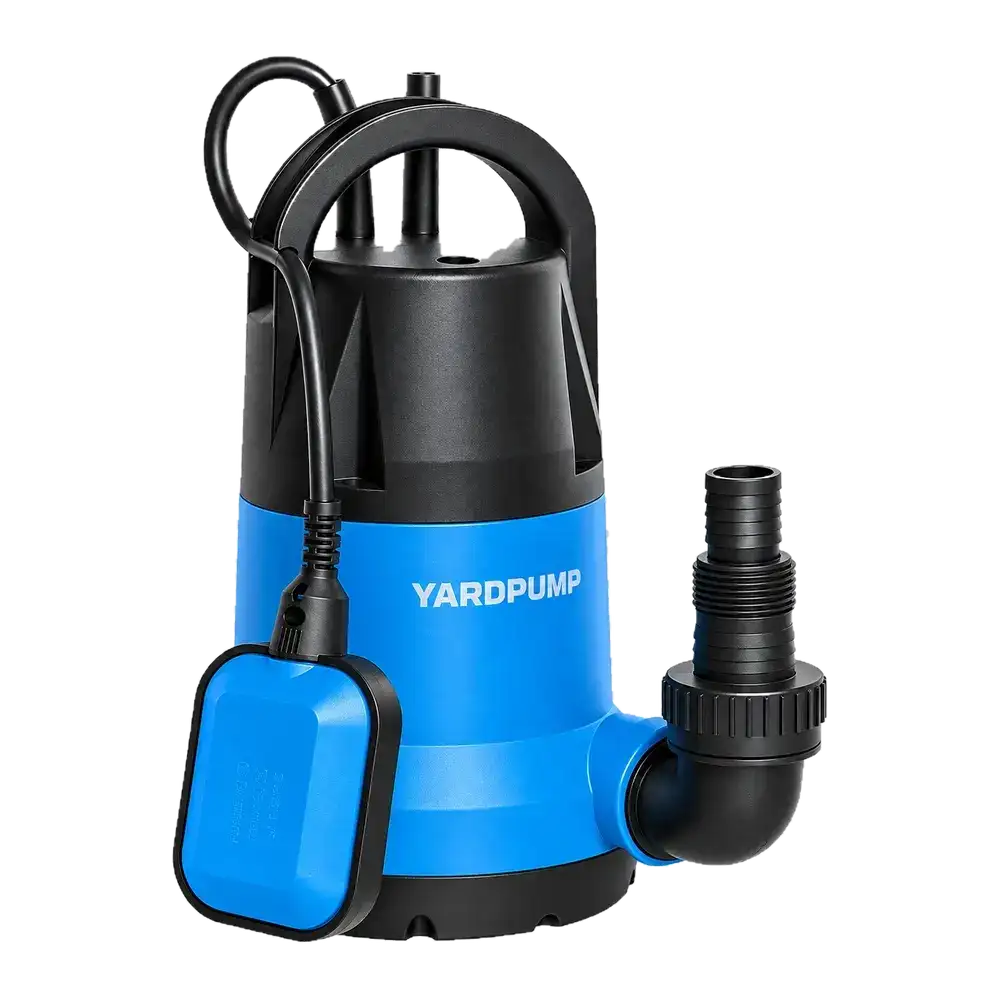
Take this cable-substitution request as an example. An importer asks for an AWG-labelled pump cable instead of a metric cross-section. The supplier offers a nearby size from a conversion table. Is the change automatically equivalent? No. Geometric conversion identifies area relationships; it does not approve a complete cable or its use in the pump. Agree the applicable cable construction and electrical requirements, then verify the actual replacement assembly.
A conversion is not a declaration of interchangeability
AWG is a gauge system in which a larger gauge number generally represents a smaller conductor. Metric cable specifications use nominal cross-sectional areas, alongside construction and electrical requirements. A geometric AWG value and a metric nominal size need not be identical. A selection table may deliberately recommend a size that meets a requirement rather than the nearest geometric area.
For example, 18 AWG has a geometric area of approximately 0.82 square millimetres. That does not make it universally interchangeable with a cable specified as 1.0 square millimetre. This is a unit comparison, not an ampacity rule or a prescription for any pump. Verify the actual flexible conductor's specified resistance, material and construction under the required system.
Compare the finished conductor and cable
Request the full cable designation and evidence for conductor resistance at the specified reference condition. Strand count, insulation diameter and total cable weight do not independently establish metal area or electrical performance. Copper, tinned copper and other conductor materials also require the correct specification; an area comparison alone cannot erase a material change.
Then compare insulation and sheath properties, voltage and temperature ratings, wet-use suitability, flexibility and required approvals for the exact supply market. Two cables with similar conductor area can have different overall diameters, bending behaviour and environmental limitations. A marking appropriate to one use is not universal permission for submerged pump service.
| Requirement | What to verify beyond the conversion |
|---|---|
| Electrical conductor | Material, permitted resistance and stranding |
| Cable insulation and sheath | Actual voltage, temperature and environmental suitability |
| Pump entry | Overall diameter, seal and strain-relief compatibility |
| Termination | Approved terminal range and assembly process |
| Market-specific assembly | Plug, cord designation and complete version approval |
Reassess voltage drop at the real length
Conductor resistance affects voltage loss and heating. For a simple two-conductor single-phase loop, the resistive contribution can be estimated from current times total outgoing-and-return resistance. Real motor supply also involves other impedance and starting conditions; the estimate does not replace the required verification.
As an illustration, if the total loop resistance changes from 0.40 to 0.50 ohms and current is 4 amperes, the resistive drop changes from 1.6 to 2.0 volts. The figures are hypothetical. They show why a “nearby” size can affect the installed conditions, not whether either cable is acceptable. Starting current, length, conductor temperature and the actual motor requirements must remain in the assessment.
Approve the interfaces and documentation together
Qualified production staff should verify that the cable entry seals and retains the replacement without damaging its sheath. Check terminal engagement and the prescribed connection method for its conductor class. A thicker outer sheath can look reassuring while fitting the original gland incorrectly; a smaller cable can leave insufficient compression. Do not compensate with improvised wraps or extra sealant.
Update the controlled BOM, drawing, cord and plug description, labels and relevant technical file for the approved version. Keep replacement parts linked to the new applicability. An end user should not shorten, splice or replace an immersed pump lead based on this conversion discussion; electrical repairs require the manufacturer's approved service arrangement and qualified personnel.
For compact pump purchasing, the useful answer to “what AWG equals this cable?” is two-part: first establish the geometric relationship, then determine which specific cable and assembly meet the stated requirements. Only the second part can support release of a production change.
Frequently asked questions
Can I select the nearest AWG number and keep every other approval?
No. Assess the complete conductor, cable and interfaces, along with the applicable controlled product configuration.
Does a cable with a larger outside diameter contain more copper?
Not necessarily. Sheath and insulation thickness also contribute. Use conductor evidence and resistance requirements.
Does the same running current mean voltage drop is unchanged?
No. Cable resistance, length and temperature matter. Starting behaviour also needs the appropriate assessment.