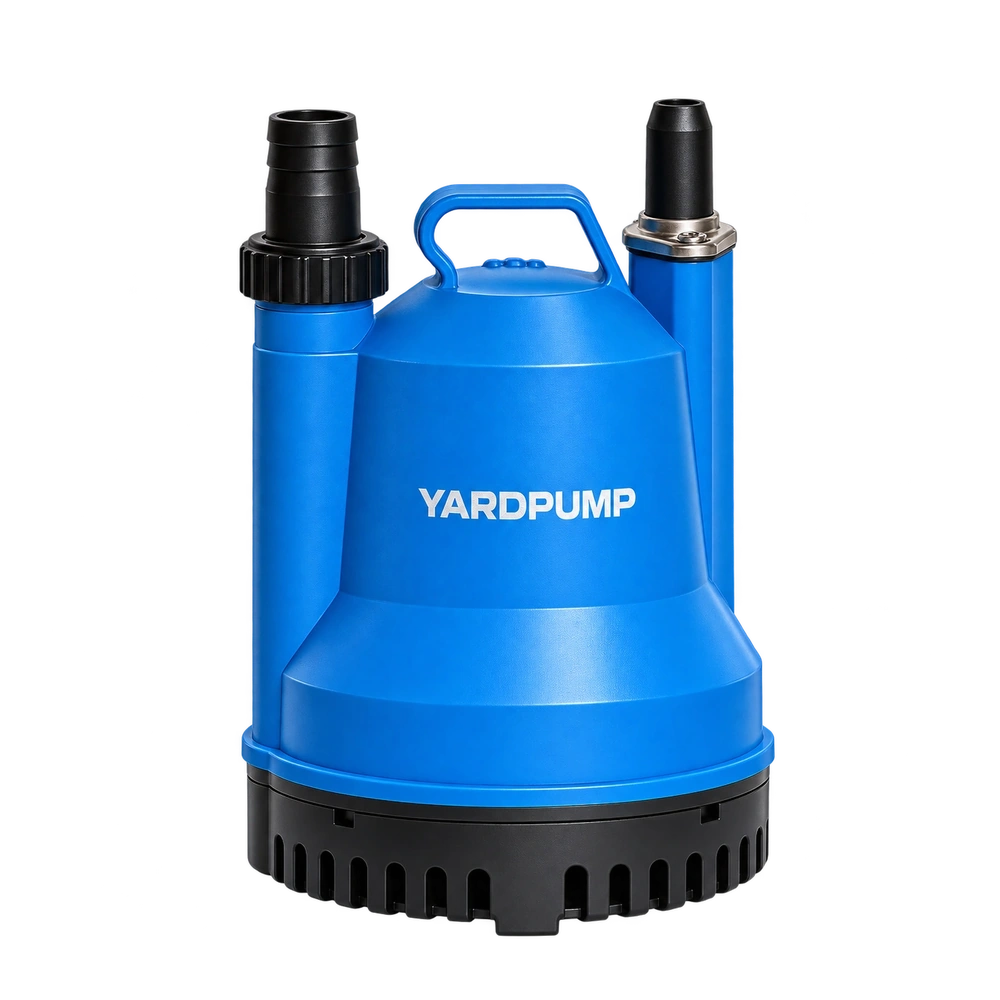
Two quotations specify a three-core cable, yet one is substantially cheaper. The difference may come from length, conductor area, conductor material, sheath or terminations. Copper, aluminium and aluminium alloy cannot be treated as interchangeable at the same nominal cross-section. A cable attached to portable submersible equipment must also satisfy the mechanical and environmental requirements of the complete assembly.
Resolve the conductor identity first
Copper, aluminium, a specified aluminium alloy and copper-clad aluminium are different descriptions. Alloy wire is too vague to establish composition, performance or compliance. Copper-clad aluminium must not be delivered as pure copper. Request an explicit conductor declaration and the applicable cable specification, supported by construction and inspection evidence.
| Item | What the buyer should establish |
|---|---|
| Identity | Copper, aluminium, identified alloy or composite conductor |
| Electrical behaviour | DC resistance per unit length at a stated temperature |
| Mechanical behaviour | Stranding, flexibility, bending and tensile requirements |
| Complete cable | Insulation, sheath, termination compatibility and environment |
Equal area does not mean equal resistance
Aluminium generally has lower electrical conductivity than copper, so equal lengths and areas normally produce greater resistance. An aluminium alloy's properties depend on composition and condition; a pure-aluminium comparison is not automatically applicable. Approaching the same resistance may require a different conductor area and complete cable design.
For illustration, suppose circuit resistance changes from 0.30 to 0.50 ohms. At three amps, resistive heating increases from 2.7 to 4.5 watts. These are calculation assumptions, not values assigned to a particular cable size or pump. Temperature, length, starting current and connection resistance also matter. The calculation alone cannot determine compliance.
Terminations deserve particular attention
A conductor change affects suitable crimping, terminals, surface treatment and long-term connection stability. Dissimilar-metal contact, oxide films, thermal movement and mechanical loosening can create connection problems. A termination validated for fine-stranded copper should not simply be reused with another conductor without assessment. Additional adhesive does not replace a suitable connection design.
Cable-entry sealing also depends on outside diameter, sheath hardness, surface condition and restraint. If an alternative conductor changes the complete cable dimensions, the original compression or sealing arrangement may no longer fit. Passing a conductor-resistance check does not establish entry sealing, pull resistance or bending performance.
A rubber sheath is not an unlimited immersion approval
Confirm the particular cable's permitted environment, temperature, immersion conditions and connection method. Ordinary plugs, sockets and extensions do not become immersible merely because they supply a submersible pump. Carry or lift the equipment using its designated handle or lifting point, rather than its cable.
Fine-stranded copper is common in compact pump cables, but common practice does not replace the applicable standard or approved complete-product configuration. For an aluminium-based proposal, ask whether that cable construction and termination are permitted and validated for the intended use. A low price alone neither proves noncompliance nor establishes an acceptable alternative.
Inspect more than surface colour
Freeze cable designation, conductor material, core count, effective length, nominal area, resistance requirements, sheath and plug version. Check markings and batch traceability, then measure length and resistance using the appropriate method. Where necessary, arrange laboratory material identification and construction or mechanical testing. Plating can affect conductor colour, so appearance alone is not a reliable identity test.
Keep the approved cable entry and internal termination revision alongside the cable record. A meaningful price comparison includes the complete cable, connections and validation boundary. It can then distinguish an agreed design optimisation from an undisclosed substitution.
Questions buyers ask
Does a thick sheath mean more copper? No. Sheath and filler contribute to outside diameter; establish conductor properties separately.
Is aluminium alloy always prohibited in cables? No universal statement follows. The particular cable standard, application, connection design and complete-product approval determine suitability.
Is cutting or burning a sample a sufficient check? No. Procurement identification belongs in a controlled inspection process, not an improvised consumer repair procedure.