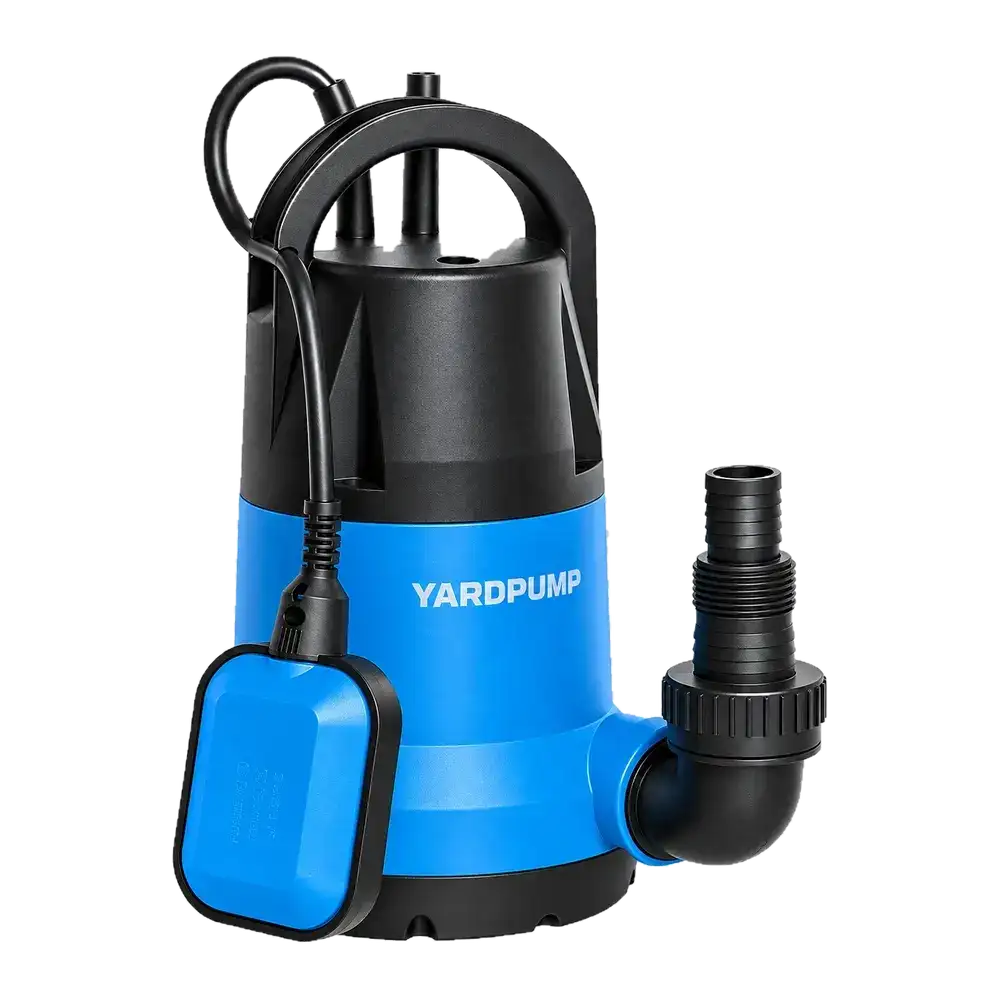
Matching housings, colours and labels do not establish matching internal configurations. A buyer concerned about hidden cost reductions should identify the low-visibility items that affect capability and reliability, then turn them into inspectable requirements. A lower price can reflect a legitimate improvement or an undisclosed substitution; appearance alone cannot distinguish them.
Freeze more than a motor wattage
Review winding conductor identity, area and quantity; electrical-steel grade and active length; rotor and shaft; capacitor; and thermal protection. Changes can affect starting and thermal behaviour. Nevertheless, one mass threshold cannot represent every motor design, since different configurations may legitimately perform the same task.
Define both configuration and function. Materials and dimensions help verify the supplied revision. Load, real input, speed, temperature rise and applicable assessments establish behaviour. Specifying only a 750-watt label, without defining the quantity, creates little effective control over capability.
Similar cable jackets can hide different constructions
Conductor material, area, core count, effective length, insulation, sheath and plug version affect price. Plating and jackets complicate visual checks; outside diameter does not measure copper quantity. Appropriate resistance, length, construction and mechanical checks provide better evidence than judging apparent thickness.
Cable entry and internal termination must match the approved cable. A replacement can change seal compression, bending behaviour and force transfer. Reducing cost at those interfaces does not justify retaining an unverified water-exclusion statement.
Low-visibility sealing parts have significant consequences
Face-material pairing, elastomer compound, dimensional tolerance, shaft or sleeve condition, bearing specification and lubrication are difficult to see externally. A substitution may leave initial water delivery unchanged while affecting later friction, ingress or vibration.
Connect supplier identity and material descriptions to complete specifications and batch evidence. Use controlled teardown, dimensional inspection or material identification where appropriate. Do not turn customer service into an instruction to cut cables, burn conductors or open energised pumps. Colour, touch and a brand marking are incomplete evidence.
Examine local housing and impeller geometry
Resin grade, an approved recycled-material specification, reinforcement, sealing-region dimensions, bosses and inserts can affect cost. Recycled content is not automatically noncompliant: suitability depends on the approved requirement, consistency and function. An unapproved change in compound or blending still requires change control.
A lighter component can also result from better ribs or moulding design. Review critical sections, dimensions and test results instead of making greater mass the only purchasing criterion. Validated lightweighting and a reduced critical section that causes functional deterioration require different conclusions.
Controls and inspection need defined content
Verify a float switch's motor-load capability, capacitor duty and ratings, and protector parameters and installation. Merely confirming the presence of each component is insufficient. Inspection claims also need methods, conditions, criteria, records and traceability. A statement that every pump is tested means little without explaining what the test covers.
Make hidden items visible through evidence
Create a list distinguishing mandatory specifications from acceptable alternatives. A proposed change should identify differences, risks, validation and necessary approval. Check production through agreed sampling and connect observations to batches so a discrepancy can be investigated across its actual scope.
It is neither necessary nor practical to destructively examine every component in every pump. Allocate process controls and sampling according to failure consequences, change likelihood and detection capability. The objective is consistent delivery with a documented route for useful cost improvements, rather than an assumption that every change is harmful.
A useful purchasing record links model, critical components and production lot. When a discrepancy appears, retain the inspection method and result before deciding whether it is an isolated component, a specification misunderstanding or a batch change. Replacing a label cannot make a different physical configuration equivalent.
Questions buyers ask
Does a lower price prove inferior material? No. Check configuration, manufacturing, quantity and delivery conditions.
Should all substitutions be prohibited? Control important requirements and provide an evidence-based approval process for acceptable alternatives.
Does dismantling one sample establish the whole batch? It establishes evidence for that sample; sampling, traceability and discrepancy handling are still required.