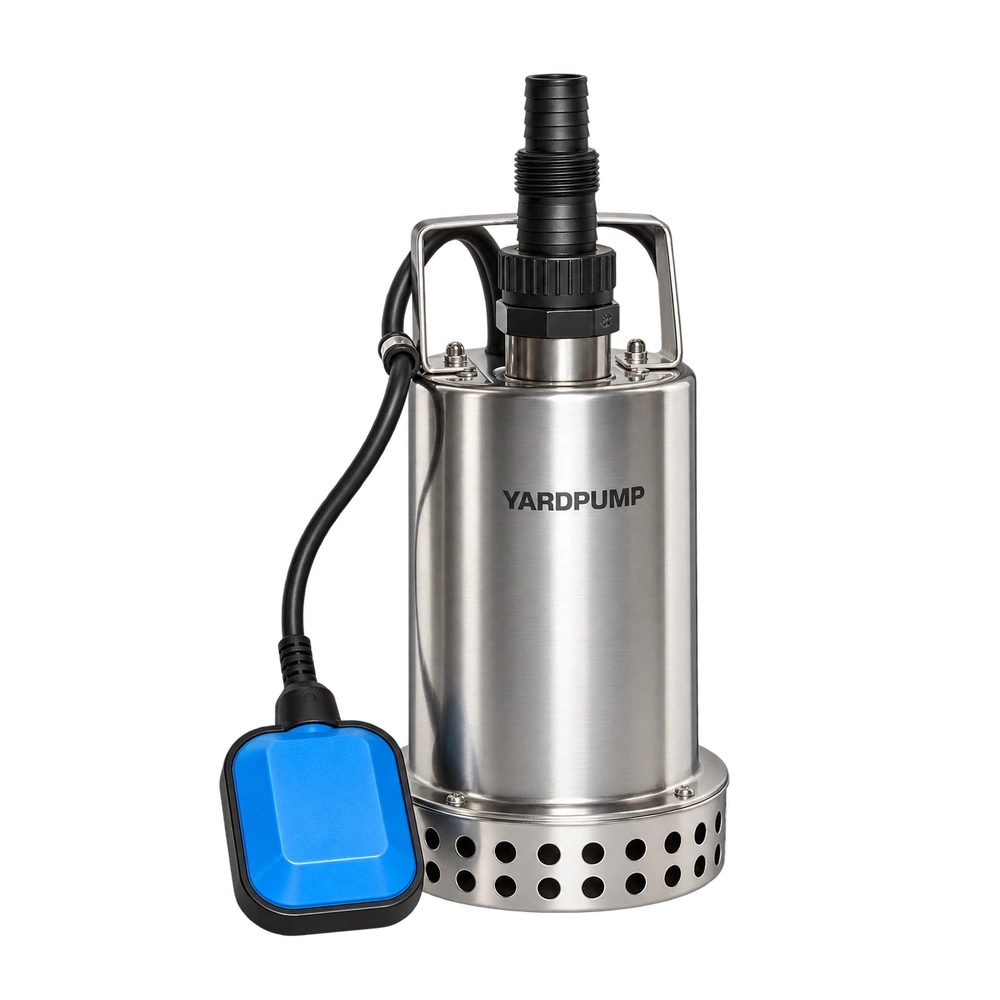
A supplier says that one pump motor contains a dozen more laminations than another. It sounds like more torque and better durability, but the count is only meaningful alongside sheet thickness, effective stack length, geometry and steel grade. More individual sheets cannot be converted directly into an additional wattage claim.
Why the core is assembled from sheets
An alternating magnetic field can induce eddy currents in a conductive core. Building the core from suitably insulated thin electrical-steel laminations limits associated losses. Material, thickness, flux density, frequency and processing all influence the outcome. More iron does not automatically mean lower loss.
First establish whether the count describes the stator, rotor or both, and whether unrelated spacers have been included. Lamination count is not winding turns and is not pole count. Mixing those terms can make a detailed-looking comparison technically meaningless.
Count and stack length are different measurements
For a geometric illustration, 100 sheets with a nominal thickness of 0.50 millimetres and 200 sheets of 0.25 millimetres each both total approximately 50 millimetres of nominal steel thickness. Coatings, burrs, compression and stacking factor affect the finished core, so this arithmetic does not establish identical effective magnetic cross-sections.
Specify steel grade, sheet thickness, stamping drawing, effective stack length and measurement method together. Cores with different diameters, slots or tooth widths can behave differently even at the same length. The space available for windings can differ too. External dimensions are not a complete motor design.
Why additional effective length can be useful
Within a suitable electromagnetic and mechanical design, a longer active core can change the magnetic circuit and available torque, potentially reducing magnetic loading in some regions. It also changes winding length, conductor requirements, rotor behaviour, housing space, cooling and material cost. The existing capacitor and pump load may need reassessment.
An increase of twenty percent in stack length does not establish a twenty-percent increase in rated shaft output. Slot utilisation, conductor heating, starting behaviour, losses, cooling and duty remain constraints. A submersible motor must ultimately work with its actual hydraulic load and declared cooling conditions, not merely satisfy a dimensional comparison on a bench.
Thinner is not an unconditional upgrade
Thinner electrical steel can reduce associated eddy-current losses, but the benefit depends on frequency, material and operating conditions. Choices made for high-frequency drives cannot simply be transferred to ordinary 50 or 60 hertz pump motors. More thin sheets can also increase stamping and assembly work, making coating and burr control significant manufacturing considerations.
Processing deserves attention alongside material identity. Damaged interlaminar insulation, unsuitable connections caused by burrs and inconsistent dimensions can affect losses and assembly. An impressive steel designation cannot replace control of the stamped and assembled core.
Turn the count into a traceable acceptance item
Where count or stack length forms part of the approved design, freeze its definition and tolerance and check the production version against it. Then confirm starting, real electrical input, speed, temperature rise and the applicable safety requirements under the specified load.
A reduced stack combined with a larger marketing wattage deserves investigation, but fewer sheets alone do not prove hidden cost cutting. A legitimate redesign might use different thickness, material or geometry. Its actual capability still requires evidence.
The purchasing question is therefore two-part: what material and geometry were supplied, and how does the complete motor behave under its defined load? Lamination count helps trace a design change; operating evidence connects that change to useful water delivery and reliability.
Where stator and rotor come from different production lots, retain their matched revisions so individually acceptable components do not create an unvalidated motor assembly.
Questions buyers ask
Does a heavier motor necessarily contain more sheets? No. Windings, rotor, housing and other metal parts contribute to mass.
Does equal count prove identical motors? No. Thickness, grade, stamping, windings and processing can differ.
Do a few fewer sheets automatically mean failure? Check the approved revision and tolerance, then the functional and applicable test requirements.