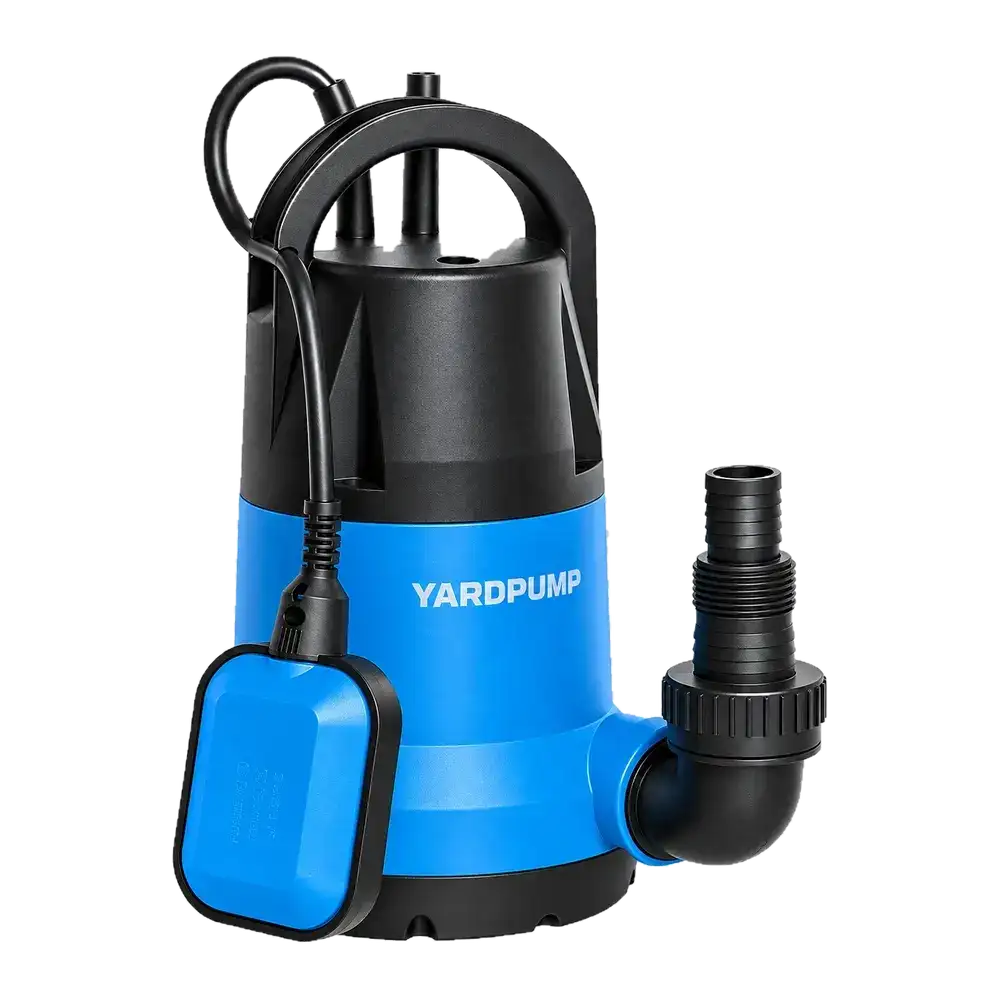
Suppose a compact clean-water pump moves to a common carton. The cord length and plug are correct. When the carton is opened, there is a sharp fold at the insert edge and the cable is pulled tight near the pump entry. Is that just a packaging blemish? Check the actual packing route, places where the load is applied and condition of the cord separately. Use the approved requirements for that cord and assembly. A carton that closes does not establish that the cable was packed safely.
Find loads that are present before shipment
A cord can be placed in a suitable gradual coil. A tight fold, a hard edge or a line continually pulling on its entry is different. A tie may hold a coil in a repeatable position. If it creates a flattened section or holds the cord under stress at the plug, check the retention arrangement rather than pulling it even tighter. Fixed, occasional and continuously moving cable applications can have different bend limits. Use the correct cord and product information, and do not apply a bend rule meant for a different construction. Look at the strain relief at the pump and plug as well as the middle of the coil.
Use an approved unpowered, dry sample to demonstrate the actual pack. Record where the cord sits, which insert edges it meets and whether there is free movement at the two molded ends. Include the real accessories; a fitting laid on top of the cord may create a pressure point that is absent in an empty carton. Photograph relevant locations before and after packing, including both sides of a compressed fold. Do not straighten the damage before making a record. Appearance alone does not prove the insulation is intact. Have any electrical or sealing checks carried out by qualified personnel under the approved procedure.
Use the insert to locate the difference
As an illustrative comparison, sample A has a supported loop and a fixed location for the plug. In sample B, the final turn is pushed into an insert groove. The outlet adapter covers the groove and presses on the cord at its edge. Both boxes close and both cords have the same length. A flattened point that lines up with the insert in B deserves investigation even if there is no visible carton damage. Retain the as-packed arrangement, confirm the sequence and available space, and use a representative transport or handling check where the agreed plan calls for one. The example does not establish how small a bend or fold can be accepted.
Isolate any affected equipment with persistent deformation, a cut, movement at the entry or uncertain damage. Identify the affected versions, pack lot or period based on evidence. Do not cover a mark and return the unit to sale. Do not try a damaged unit in a wet area to determine whether the mark matters. Some packs may also need qualified sample verification under the approved procedure even when there is no obvious dent. Record which version and cartons the inspection covers, rather than clearing the whole range based on one good assembly.
Specify what the packing operator can reproduce
Keep a diagram or photo of the approved route, contact points and accessory order, along with the correct restrictions for the cable. When different cord lengths share one carton, confirm the fit of the actual variants. A short sample can leave space that the longest version needs for safe handling. At receiving, check the cable where it comes out of the carton and compare against the approved pack. The purpose is a pump that remains within its intended condition after shipment, along with the correct length and plug.
Frequently asked questions
Can a shallow mark be ignored if the outside is unbroken?
No. Isolate suspect parts and have them evaluated under the approved procedure. Depth judged by touch does not establish safety.
Does the same outside carton size mean the pack is unchanged?
No. The insert, plug position and accessories can change the space and load.
Can a tighter tie stop movement during transport?
Use the approved restraint and clearances. Avoid creating pressure on the cord to hold something else in place.