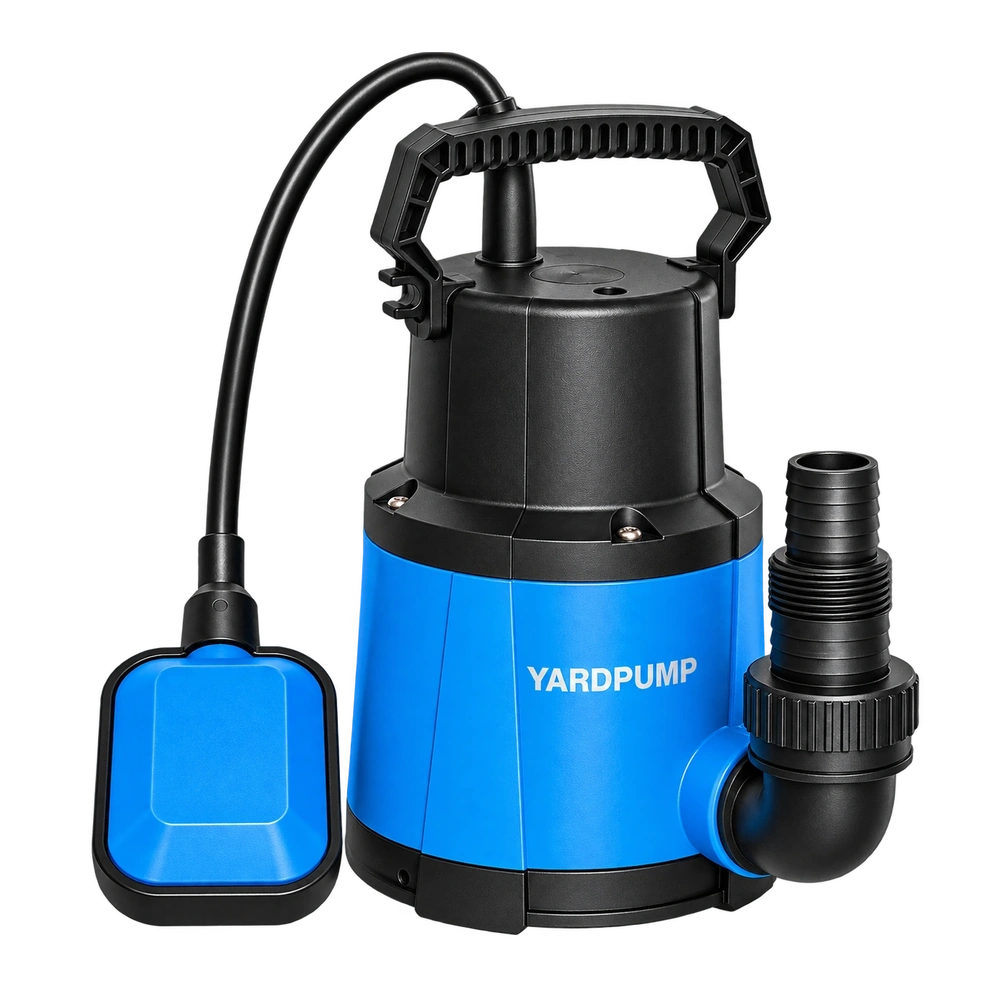
Suppose an importer receives plastic submersible pumps in cartons with no obvious crushing. One pump has a chip at the discharge outlet, and a clamp is loose beside it. Preserve the unboxing positions, damage and condition of the accessories. An intact carton does not rule out movement inside it. A loose part beside the chip does not, by itself, prove it caused the damage. Separate a pre-existing outlet defect, handling before packing and contact with accessories inside the box.
Find what can touch when the box moves
Photograph the original positions of the pump, supports, instructions, clamp, adapter and cord. Consider which parts can leave their pockets when orientation changes. A metal clamp, threaded fitting or hard plastic adapter can create concentrated contact. A projecting outlet or handle needs appropriate clearance. A support that looks intact may hold the pump body without restraining the accessories. A packing photo shows the starting positions. It does not establish that all parts remain there after handling.
Record the direction of damage, witness marks and distance from the accessories. Keep any torn bags, rub marks or deformed supports. A mark matching a clamp edge, repeated at the same location in cartons packed the same way, supports an investigation of internal contact. If cracks repeat at the same moulded feature with no corresponding packing marks, also review mould cavity, material, handling and assembly. One photo does not establish impact force. One damaged carton does not give a defect rate for the shipment.
Compare packing arrangements instead of only adding material
In an illustrative comparison, the original pack holds the clamp and adapter together in one bag above the pump. When the carton is reoriented, the bag can pass the divider and reach the plastic outlet. A second arrangement has a separate retained position for hard accessories, keeping them clear of the outlet in ordinary handling and the agreed packaging test. This is not a packing requirement for a particular model. Verify that the restraint can be reproduced. Also check whether removing a part catches the cord, presses against a float or lets accessories fall out.
Ask for a packing diagram with the actual product and parts, including pump orientation, accessory locations, bag closure and restraint. Use the real carton dimensions, materials and packed combination in the agreed packaging validation. Review whether a change in carton, fitting, clamp count or insert needs renewed assessment. Use the approved method rather than asking warehouse staff to drop cartons informally. Similar outside cartons can put very different loads on the contents. Retain an undamaged comparison or documented condition before shipment.
Release the unit only after checking the affected parts
If the outlet is cracked, a fitting is deformed or the cord is damaged, isolate the unit rather than energizing it to see whether it works. Have qualified service check the relevant structure, electrical condition and water path under the manufacturer's procedure. After changing packaging, use the same receiving inspection on the old and new arrangements. Verify that fittings remain secured, the actual outlet joint can be assembled as specified and the cord and float are undamaged. A torn bag without observed pump damage still needs assessment against the agreed receiving process. It does not automatically pass or reject the pump.
Link the stock code, carton position, packing revision, unboxing photos and follow-up decision. If a heavier fitting is added later, the buyer can decide before dispatch whether its retention needs to be changed and verified. The distributor can then ask the supplier to correct accessory restraint or outlet protection, or investigate a possible original part defect.
Frequently asked questions
Does an undamaged outer carton rule out handling damage?
No. Contents can move inside it. Preserve packing positions, witness marks and material condition.
Is a separate plastic bag enough to keep a clamp from striking the pump?
A bag separates surfaces but may not prevent movement. Verify the actual packed combination.
Can a small outlet crack be released if the hose joint does not leak?
Not on that basis alone. Hold it and follow the approved inspection of the structure and joint.