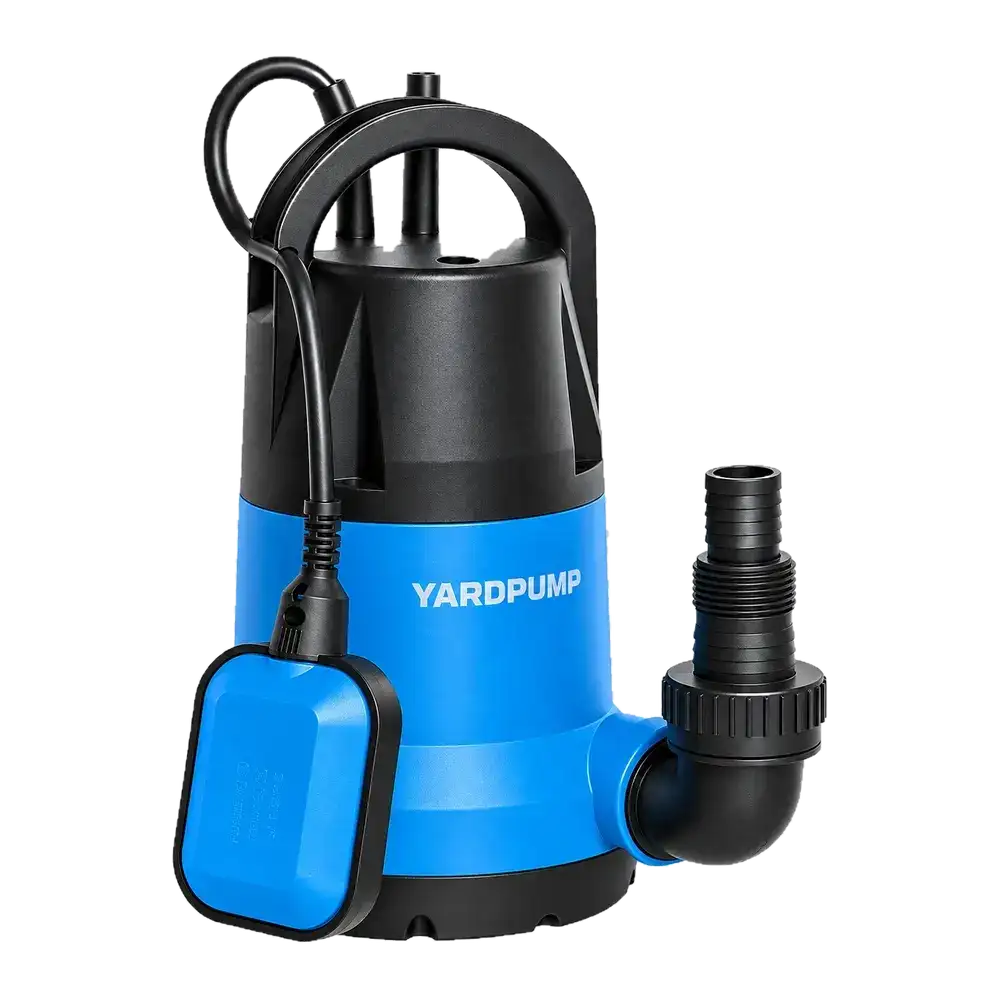
A pump carton passes a compression test, but several bottom-layer cartons arrive crushed after ocean shipment. Does that make the report meaningless? Not necessarily. A short test under specified conditions is different from prolonged stacking with humidity, misalignment, pallet gaps and the actual load path.
Assess the carton, inserts, pump, pallet and storage duration as a complete arrangement. Increasing board grade alone may leave the cause unresolved.
Understand the test’s boundary
Compression testing describes particular samples in a stated condition using a stated method. Real cartons can experience humidity changes, handling damage and sustained loads.
Misaligned corners, overhang beyond the pallet and discontinuous deck support change how forces enter the bottom cartons. Packaging contents also matter: the pump and inserts may carry or concentrate loads differently from an empty box.
An empty-box test, a complete-pack test and a pallet-load test are not interchangeable evidence. The report must identify the construction it represents.
Estimate load without treating it as proof
For a hypothetical stack of five cartons in one vertical position, each with a gross mass of 12 kg, the bottom carton supports four cartons above it. Their static weight corresponds to approximately 471 newtons.
This simplified example excludes an upper pallet, misalignment, movement and local support. Comparing 471 newtons with a single peak compression result is not sufficient to establish safe stacking.
Duration, environment and deformation affect performance. Appropriate margins need packaging design and validation. Likewise, a strength-loss percentage measured at one humidity should not be copied as a universal discount for every carton.
| Logistics factor | Actual conditions to record | What can change |
|---|---|---|
| Stack | Layers, direction, alignment and upper loads | Load magnitude and distribution |
| Pallet | Dimensions, gaps, condition and overhang | Local bottom support |
| Environment | Humidity, temperature, wetting and time | Board condition and sustained capacity |
| Contents | Pump, inserts, voids and orientation | Load paths and pressure concentrations |
Preserve the arrival configuration
Photograph the original pallet, carton identities, stacking pattern, wrapping and damage locations before everything is separated. One photograph of a collapsed empty carton loses much of the evidence.
Check whether bottom impressions align with deck gaps, whether edges overhang and whether box corners are offset. Each points toward a different loading condition.
Moisture marks require transport and storage context. Soft board alone does not establish when or where exposure occurred. Compare production board, adhesive, closure and insert versions with the tested samples. A report cannot automatically cover mixed or substituted packaging.
Validate the conditions that matter
Define the actual route, storage duration, stacking and environment. Packaging specialists can then choose appropriate methods. Assessment may need complete packs, pallet arrangements and relevant environmental conditioning rather than another identical empty-carton test.
The appropriate pressure and duration depend on the programme; there is no universal combination supplied here.
Trained personnel must operate compression equipment and loaded-pallet tests safely. Do not improvise heavy warehouse loads or stand beside unstable stacks.
Inspect the pump, connectors, cable and internal location after testing as well as the carton. A box that remains upright does not establish an undamaged product.
Correct the load path, not just the material label
Where pallet overhang is the main cause, thicker board may still face unsuitable local loading. Where an insert transfers weight into a fragile connector, support needs redesign. Where humidity and storage duration limit performance, assess materials, protection and stack conditions.
Verify each proposed correction rather than adding cost without identifying the mechanism. Column alignment and shipment stability also need consideration together; optimising one property alone may compromise another.
Purchasing documents should control carton construction, materials, inserts, closure, pallet and permitted stacking conditions, along with approval of alternatives. Warehouse markings must agree with the validated arrangement.
Passing a lower-stack test is not evidence for unrestricted higher stacking. Retaining the actual conditions makes both supplier acceptance and later damage investigation more useful.
Frequently asked questions
Does a higher carton compression number guarantee safer ocean shipment?
No. Support, humidity, sustained loading and internal load paths can still limit performance.
Does bottom-layer damage prove the supplier reduced board quality?
Not by itself. Review actual materials, pallets, stacking and transport conditions before attributing cause.
Can tighter stretch wrap compensate for every stacking problem?
No. Wrapping has its own function and limits, and excessive restraint can affect cartons. Assess it within the complete packaging arrangement.