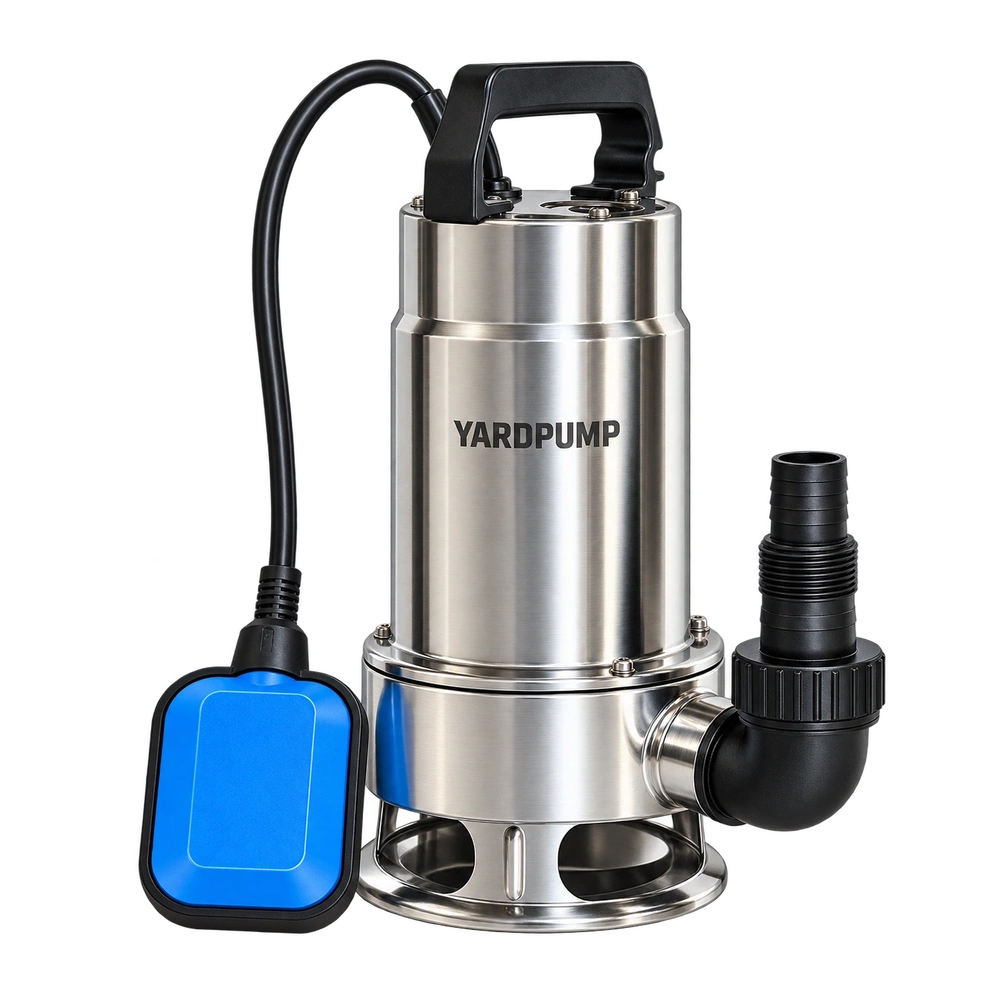
A pump package passes a drop test, and its carton arrives without a major tear. Yet the receiver finds a loose outlet fitting or housing damage. A drop test covers its selected conditions; it does not automatically represent road vibration, stacking, humidity and repeated handling in combination. Qualify the product-package system and inspect its function after the sequence.
The ability of the carton to remain upright is not an adequate product acceptance criterion.
Vibration can change protection before an impact
Foam, paper supports and partitions can shift, compress or abrade during vibration. The product may then meet a later impact through a different load path. An unsecured accessory can repeatedly strike the housing. A drop survived by fresh packaging does not establish equal protection after earlier distribution exposure.
Even when the pump appears stationary, a local support may concentrate force into the outlet, handle, float or cable entry. Define intended support points so functional interfaces are not unintentionally used as shipping restraints.
Describe the distribution route before selecting the procedure
Parcel delivery, palletised transport and mixed freight have different hazards. Record product-package mass, carton type, pallet configuration, stacking, expected climate and handling modes. A competent test provider can then select a suitable procedure and edition. A familiar test name is not a reason to apply one sequence to every market.
As an illustrative mechanism, suppose vibration compresses an insert and reduces the original clearance around an outlet. A subsequent impact then loads that fitting. This is a hypothetical explanation, not a customer case. It supplies no universal vibration intensity, drop height or pass count; those belong to the applicable method and agreed distribution boundary.
| Stage | Examine | Retain |
|---|---|---|
| Before testing | Product condition, placement and accessory restraint | Photographs, batches and pack revision |
| Specified conditioning and mechanical sequence | Compression, abrasion, movement and impact marks | Orientation, sequence and interruptions |
| Unpacking | Hidden contact and load paths | Undisturbed condition and opening sequence |
| After testing | Structure, electrical safety, sealing and performance | Results under comparable conditions |
Define damage before exposing the package
Agree on acceptable appearance, accessory condition, control movement, cable condition, interfaces and functional results. Minor carton abrasion may be acceptable, while a structural crack, altered seal or electrical hazard cannot be ignored because the carton looks intact. Any allowable product displacement needs an engineering basis.
“It still pumps water” is not a complete post-test conclusion. Qualified personnel should conduct electrical and immersion checks only after safety screening. A suspect cable or damaged housing must not go straight into an ordinary wet-test station. Compare performance using the same pipework and duty so a rig change is not mistaken for transport damage.
Reassess the complete package after a modification
A stiffer insert may reduce movement but transmit impact more directly to a vulnerable location. Extra restraint may press against a cable or interfere with a float. Material stiffness alone therefore cannot qualify the design. Reconfirm the complete packaging version as appropriate to the change risk, including board, inserts, accessory positions and packing instructions.
Choose sample quantity according to the purpose and applicable procedure. One successful unit does not establish that every production package or transport route is safe from damage. Preserve the version and test record so later material substitutions can be evaluated rather than silently absorbed.
For actual receiving damage, retain the carton, inserts, product position and shipment information. Discarding the packaging and photographing only the crack removes much of the evidence needed to understand the load path. Use distribution feedback to refine the test boundary rather than treating a test report as permanent immunity from transport complaints.
Identify whether accessories are installed or packed separately, because each arrangement can change contact and loading. Freeze packing photographs and instructions with the approved package. A smaller carton, moved accessory or new insert source needs an assessment of the actual change; retaining the old report’s title does not extend its coverage.
Frequently asked questions
Does an intact outer carton exclude transport damage?
No. Internal movement, concentrated loading and vibration damage may leave no obvious external tear.
Is a harder insert always more protective?
No. Stiffness, energy absorption, contact area and restraint need to be designed together. Excessive stiffness can increase local impact loading.
Is a water-delivery check enough after testing?
No. Include the required structural, cable, sealing, control and electrical-safety checks according to the product and risk.