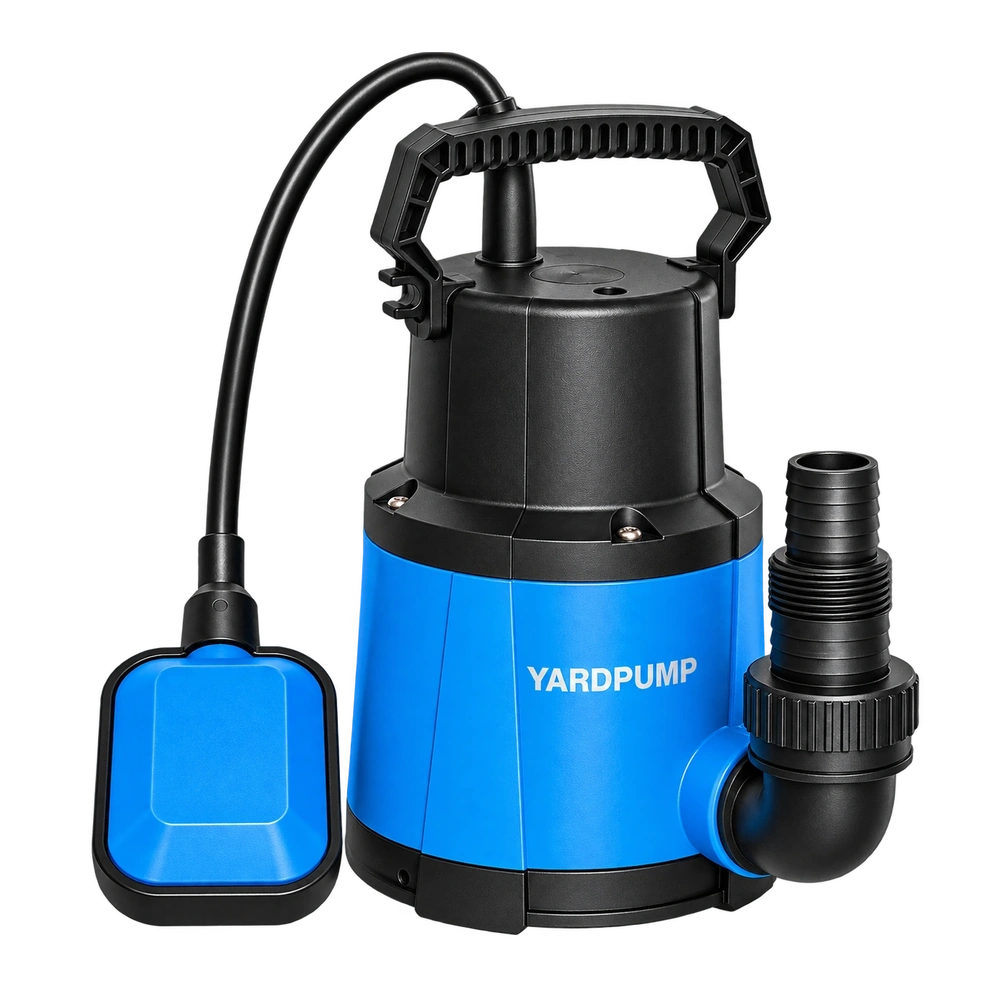
The pump nameplate says 230 V while the cord is marked 250 V. Is it the wrong market version? Not necessarily: the cord marking may describe the component rating rather than the pump operating voltage. A genuine conflict between product, package and order still requires a hold. Identify what each marking means, then reconcile the controlled configuration and serial record instead of guessing from plug shape or trying a supply.
Separate product operating data from component ratings
A plug identifies an external connection form, not the winding, run capacitor, protector or frequency configuration. A cord marking may describe the cable component rather than the complete pump rating. Conflict can arise from labelling, assembly, rework or document error and must be traced to the controlled configuration.
A higher component voltage rating does not mean the complete pump can operate at that voltage. Capacitors, cords, switches and plugs carry markings for their own purposes, and the values are not interchangeable. Conversely, a plug that fits a regional socket does not prove the winding, frequency or protective configuration is correct. Sort the evidence into product operating data, component ratings, part identification and traceability before deciding whether two statements actually conflict.
Hold and trace a genuine identity conflict
Do not energize the unit to guess. Isolate the serial number and related carton/lot, photographing nameplate, cord marking, plug and package label. The supplier should reconcile approved BOM, serial history, final electrical record and market matrix. Qualified personnel perform any energized verification on the correct supply and fixture.
An incoming hold needs more than a general pending-inspection label. Identify serial numbers, cartons, pallet position, order revision and the disputed markings, with photographs before disassembly. Set the affected scope from evidence. A packing station or rework record may link several units; neither assume the visible sample is the only one affected nor declare the whole lot incorrect without a basis. Quality personnel should assess any already-dispatched related units from the traceability information.
The supplier's explanation should connect the approved BOM, actual serial configuration, final electrical record and label-generation process. A generic certificate or assurance that the model is always made this way does not reconcile a particular conflict. Suspected internal mismatch requires qualified assessment under the approved procedure. Customers should not be asked to open a sealed motor, probe a live capacitor or try different mains supplies to produce diagnostic evidence.
Example: a cable rating is not a pump voltage
Example: in a 40-unit pallet, two cords state a 250 V cable rating while the pump plates state 230 V, 50 Hz; one plate states 120 V. The first two may not conflict, while the third requires isolation. The figures illustrate component rating versus product operating rating.
If the issue is confirmed as labelling only, control the correction: specify accurate text, affected serials, authorized rework and review. A configuration error may instead require rework or replacement and the corresponding retest. Changing the nameplate alone cannot correct the installed components. The scope of reverification depends on the actual modification and applicable requirements. Successful starting is not a complete electrical-safety, frequency or hydraulic acceptance result.
Separate label correction from configuration rework
For multi-market compact-pump sourcing, maintain one version matrix covering operating voltage and frequency, plug, cord, manual and carton identification. Check the actual first piece and shipment against that matrix. The objective is an identifiable SKU, not identical numbers on every component. It helps distributors avoid rejecting a normal component-rating difference while still holding a genuine mixed configuration before it reaches a user's socket.
Frequently asked questions
Does a 300/500 V cord mark conflict with a 230 V pump plate?
Not necessarily; it may be a cable rating, but the complete BOM still needs verification.
If the plug fits, may I test it?
No. Mechanical fit does not establish the electrical version.
If one label is wrong, can it simply be replaced?
First prove whether only the label or the internal configuration is wrong and follow traceability control.