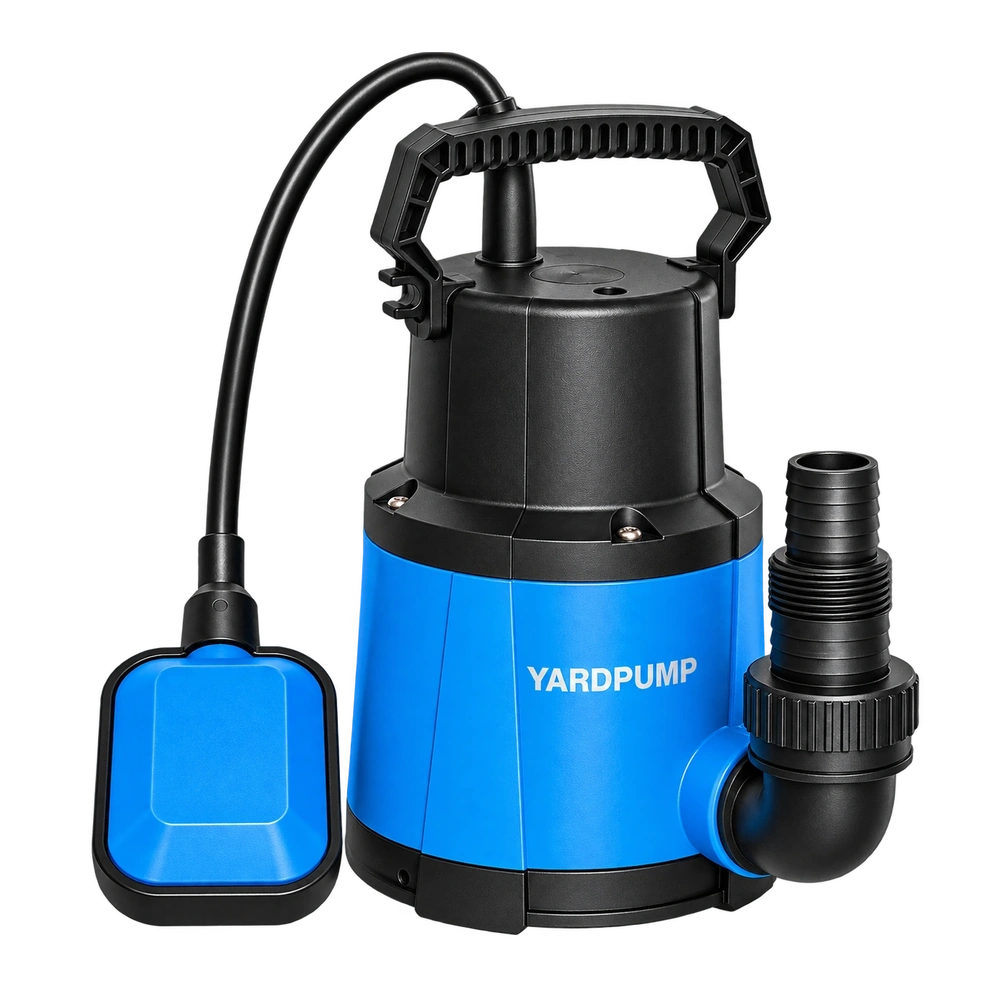
A submersible pump is dismantled during shipment inspection to check its internal materials. The inspector reassembles it and proposes returning it to the order. If it turns and the housing looks intact, can it go back into saleable stock? Not automatically.
Dismantling can change sealing, fastening, insulation, lubrication and traceability. Isolate the sample and decide its disposition according to the actual test and approved procedure. Any permitted return to sale needs defined reassembly, inspection and commercial-status acceptance.
Batch acceptance and sample disposition are different
Inspection may support a conclusion about a feature or production batch, while changing the sample itself. It may have been opened, cut, pressurised, subjected to endurance operation or tested near a limit.
Releasing the remaining batch does not automatically release the tested unit.
Not every inspection is destructive. Visual, dimensional or approved routine functional checks may leave the original condition intact. Dismantling, limit testing and life testing need individual assessment based on what actually happened.
The word “sample” should not hide those differences.
Decide the route before testing
Retain serial identity, batch, purpose and test plan, including whether return to sale is permitted. Electronic and physical stock controls should agree.
Leaving a dismantled sample in its original warehouse location can allow it to ship merely because its model code matches the order.
| Actual history | Main concern | Possible approved route |
|---|---|---|
| Inspection without state change | Continued conformity with original release | Return after confirmation |
| Dismantling of repairable construction | Changed assembly, seal and safety state | Controlled rework and verification |
| Cutting or permanent damage | Original construction cannot be restored | Disposal or controlled research |
| Limit, endurance or unknown exposure | Accumulated damage or missing evidence | Isolate and assess |
These are workflow categories, not universal legal classifications. Sale conditions must meet contractual, product and applicable local requirements. An internal rework label cannot override the promised customer condition.
Reassembly does not recreate original release automatically
Housing joints, cable entries, seals and bearings may have controlled or one-time assembly requirements. Opening and closing them can change their condition.
Whether fasteners, seals or insulation-related parts may be reused must follow the approved manufacturing or repair specification, rather than visual judgement or hand feel.
Qualified personnel must isolate supplies and manage stored energy before working inside an electrical enclosure. This article does not instruct end users to dismantle a pump. Bridging protection or turning an energised assembly is not an acceptable way to prove successful repair.
Arrange sealing, electrical safety and functional checks appropriate to the actual work. Brief unloaded rotation alone is insufficient.
As a hypothetical example, an order supplies three units for internal material inspection. One winding is cut, while two pumps are dismantled without cutting. This is not a recommended sample quantity. Each needs its own disposition: the cut unit cannot return as a complete finished product, while the others do not retain their original release merely because they were not cut.
Preserve the rework history
Record the work, replacement parts, operator, process, inspection results and final approval. Do not erase or reassign identity to present a used test unit as untouched new stock.
If sale after approved rework is permitted, its condition must remain consistent with customer requirements and descriptions.
Control remaining components too. Loose parts from tested samples should not mix with unused production inventory. Prior loads, contamination and removal damage may differ. Any permitted reuse needs a suitable assessment and release route.
Disposal should prevent accidental return to sale while retaining any evidence needed for an investigation.
Agree the purchasing consequences
The inspection plan should identify sample quantity, test type, disposition responsibility and whether consumed samples must be replaced in the order.
Commercial agreement can address the cost of destructive samples. Shipment quantity pressure must not become a reason to return unsuitable units to stock.
Reconcile the test-sample list with final shipping identities. Isolated, pending and scrapped units should not appear in the released shipment. Where approved reworked units may be supplied, retain the corresponding evidence rather than checking only the total count.
Defining these routes beforehand keeps ordinary non-destructive inspection simple while preventing warehouses from improvising the fate of dismantled or heavily tested pumps.
Frequently asked questions
Must every inspection sample be scrapped?
No. Assess whether the inspection changed its condition and follow the approved disposition rules.
Can a dismantled sample be packed if no defect was found?
Not automatically. The dismantling itself may change sealing and safety. Appropriate rework, checks and approval are required.
Can apparently good parts from a scrapped sample enter new pumps?
Not directly. Assess their history under an approved reuse process, with identification and release before any permitted use.