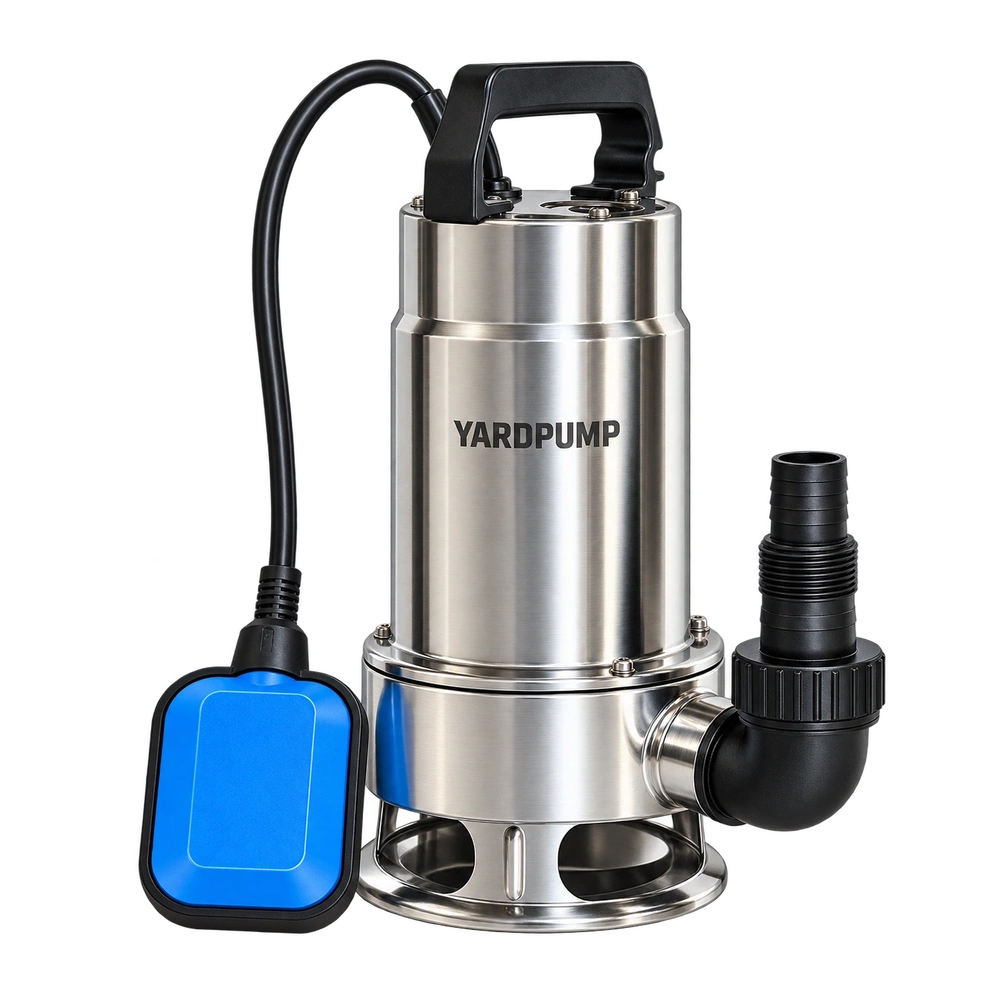
Imagine the following connector-handling situation. A detachable connector is marked with a high water-protection rating. During pump removal, one half is unplugged and left beside the wet sump. Does its original rating still apply? Only if the documented protection covers that unmated state and its required cap or enclosure. Many connector ratings apply to a correctly assembled, fully mated and locked combination. The rating on the pump body does not answer this separate connection question.
Identify the configuration that was evaluated
An IP code describes a degree of enclosure protection under its specified conditions. For a connector, those conditions can include the exact mating half, locking method, cable diameter and gland assembly. A cap may have its own protection statement, or it may be only a dust cover. A tether keeps a cap nearby; it does not establish a water seal.
Ask for the connector part numbers and instructions for three states: fully mated, separated and capped, and separated without a cap. Include the enclosure-mounted half and its panel seal. A connector can be watertight at the mating face while a poorly assembled cable entry or panel joint provides another path. Similar pin arrangements do not establish compatible sealing geometry across different products.
Match the statement to the actual exposure
Splashes, temporary immersion, sustained immersion and cleaning jets are different exposures. Do not assume that one test statement covers all of them. Where immersion suitability is claimed, retain its stated conditions rather than treating the code as unlimited depth and duration. The electrical operating conditions also remain relevant; mechanical water protection does not authorize coupling or uncoupling under load.
| Condition at handover | Evidence needed |
|---|---|
| Mated in normal service | Approved pair, complete lock and correctly assembled seals |
| Unmated during maintenance | Documented protection for exposed halves or an approved dry storage arrangement |
| Capped while disconnected | Exact cap and stated protection in the fitted condition |
| Cable replaced | Approved cable range, assembly method and required verification |
For an illustrative specification, a connector pair is approved for a stated immersion test only when locked. Its loose transport cap has no water-protection claim. Leaving that cap on a disconnected end below the possible flood line would not reproduce the approved condition. This example is not a rating of a YARDPUMP connector or a statement that every pump has a detachable lead.
Inspect service condition as well as new assembly
Before reconnection, qualified personnel should isolate the supply and follow the component's handling procedure. Check for missing seals, grit, corrosion, damaged locking features and cable strain. Do not mate a wet or contaminated electrical connection to see whether protection trips. Water may have entered behind contacts, and drying the visible surface does not establish suitability for reuse.
A buyer's acceptance plan can include correct mating identity, locking confirmation, cable-gland configuration and the approved environmental test of the complete assembly. Repeated service mating may require checking the component's allowed cycles and maintenance criteria. Do not substitute an arbitrary tightening torque or force a nearly compatible half into place.
Make disconnection part of the installation plan
Place connections where the approved arrangement permits, with access for isolation, inspection and securing disconnected ends. Specify which caps or accessories must remain with the installation and how missing items are replaced. A service instruction that says only “unplug the pump” leaves an important environmental state undefined.
Compact utility and sump pumps may use fixed cables, plugs or separately approved control connections. Preserve that model-specific distinction. If the proposed supply uses detachable connectors, approve the whole connection arrangement rather than extending the pump's immersion label to it. The result should tell an installer exactly what is protected during operation and exactly how to leave it safe while the pump is away for service.
Frequently asked questions
Does an IP68 marking mean the connector is safe at any depth?
No. Check the stated immersion conditions, assembly and application limits of that exact component combination.
Is a plastic shipping cap an acceptable maintenance cap?
Only if its documented purpose and protection cover that use. Colour, fit and a retaining strap are not sufficient evidence.
Can tape restore a missing connector seal?
Do not improvise a substitute. Use the approved repair or replacement arrangement and qualified inspection before returning the connection to service.