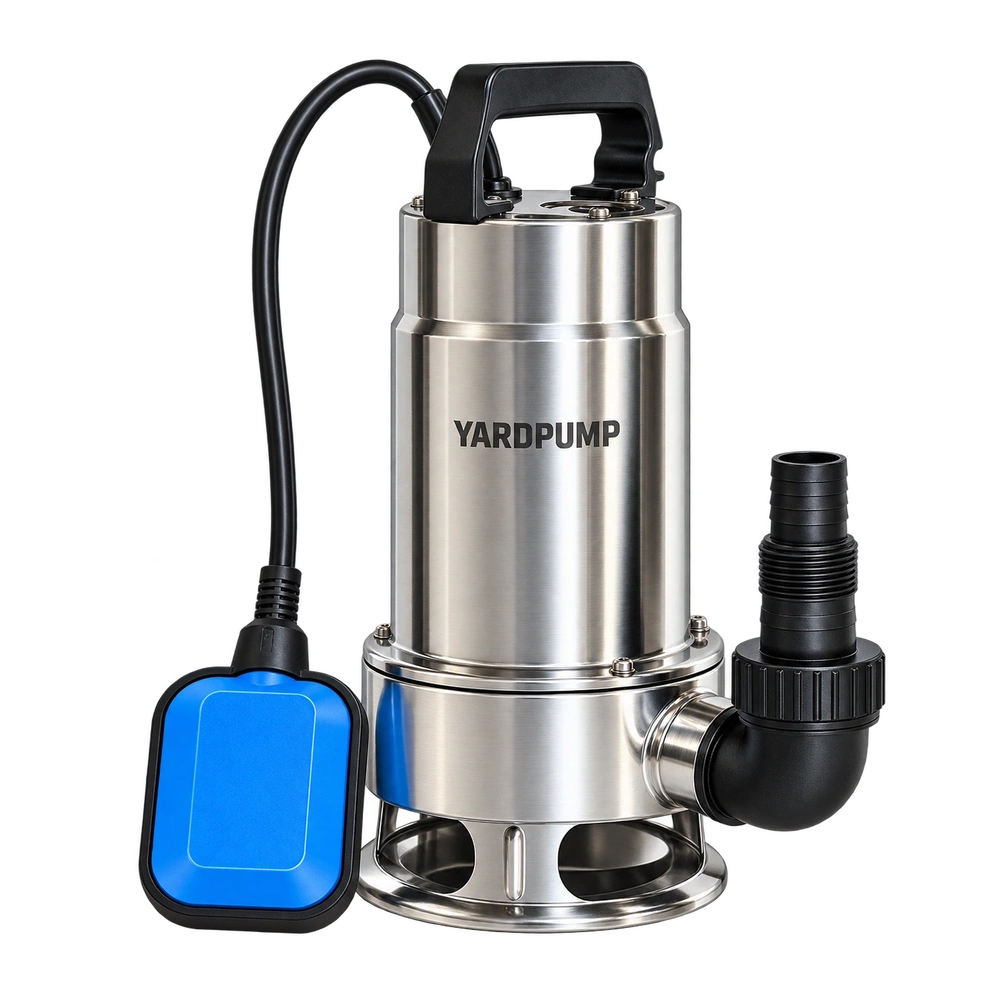
Imagine a batch of small clean-water pumps receives a different supplier's discharge hose. The inside diameter and fitting match. At room temperature the hose connects normally. In cold service it is hard to lay around a doorway and lifts the outlet connection at the turn. The buying question is whether the delivered combination can perform its job at the allowed temperature on the specified route. Matching bores do not establish the same construction, reinforcement or low-temperature bending behaviour.
Describe the hose in its working state
Verify the hose's intended service, medium, working pressure, temperature range and the supplier's definition of bend radius. Minimum storage temperature, installation temperature and operating temperature are separate concepts. Whether a hose uncoils readily after transport is a different question again. Request a controlled construction or revision identifier and confirm whether the pressure limit changes with temperature. The purpose of a test is to see whether the actual route stays within the approved envelope, not to bend a sample until it fails.
Sketch the supports, opening or corner the operator has to pass. Record whether the hose stays installed or is uncoiled for each job. Keep the connections, support, length and elevation the same when comparing samples. At the intended temperature, compare natural bending, fitting alignment and the section at the bend. A hose can keep its bore while pulling against a plastic outlet. Another can feel easy to place but flatten locally at the same corner.
Compare old and new on an approved cold route
Suppose both hoses are allowed at five degrees Celsius. In an illustrative test, equal lengths pass through the same turn and supported connection. The old hose delivers twenty litres per minute; the replacement delivers fifteen and shows visible flattening at the inside of the bend. Those are hypothetical observations, not an acceptable percentage loss. Compare a gentler permitted route, or have qualified personnel evaluate the fitting load. If the bore opens and delivery returns to the target on the revised route, the evidence points to the route and hose combination. If not, check the actual bore, fittings and pump operating point.
Keep the pump, head, inlet level, connections and measuring method the same. Do not bend a pressurised hose by hand or undo a live connection. If a fitting moves, leaks or becomes unstable, stop and isolate the equipment under the approved procedure. If a test temperature or bend falls outside either hose's allowed conditions, it is a separate out-of-scope observation, not a fair acceptance comparison.
Release a defined replacement or limit its use
When both hoses meet the routing, fitting and delivered-flow requirements in the approved range, release the specific replacement by revision. If the new hose passes only on broad turns, it has not demonstrated a general substitution. Depending on the purchase requirement, restrict it to that documented route or request another sample. Keep the approved hose and installation photos with the pack-out or inspection record so that the next change is not assessed by inside diameter alone.
Also look at the hose after the cold test and safe removal. A lasting crease or a fitting that shifted changes the starting condition for the next use. Ask the supplier which recovery is expected and whether a handling or repeat-use check belongs in the approval.
Document the receiving, conditioning and installation times if the two samples had different storage histories. A briefly cooled outer surface does not establish that the full hose reached the agreed test condition. This matters when a second inspector needs to repeat the comparison.
Frequently asked questions
Does fitting the original outlet prove compatibility?
It shows only part of the connection is compatible. Verify routing, support, pressure and delivered flow.
Can warm water be used to make a stiff cold sample pass?
Do not alter a sample by improvised heating. Use the approved conditioning and service temperature.
Is there one bend radius that works for all replacements?
No. Use the hose specification and the installed route. Construction, temperature and fittings can change the permitted conditions.