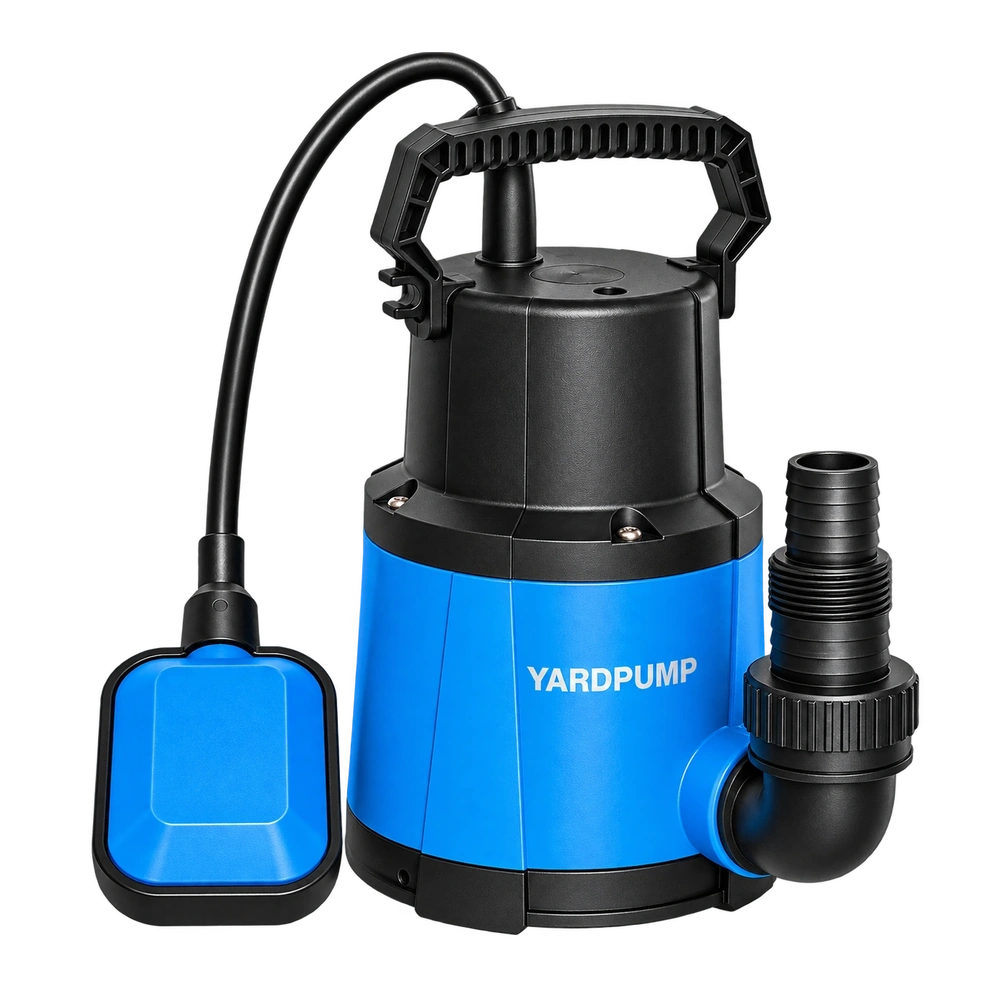
A supplier says that nearly every pump leaving the factory is accepted. The buyer still asks for first-pass yield. Is that unnecessary? No. Final acceptance describes output after the permitted processing and disposition steps. First-pass yield describes units meeting the defined requirements on their first passage through the specified process. The measures answer different questions.
Establish the denominator and process boundary
A meaningful first-pass figure needs a defined number of units entering the process, an agreed sequence of checks and clear treatment of rework and retesting. Counting only the last successful test does not describe first-pass performance.
Comparisons between suppliers can be misleading if one reports a single test station and the other reports the complete finished-pump sequence. Similarly, final acceptance needs a stated denominator and a way to identify units still awaiting a decision.
Ask whether the figures count physical units or test events. One pump tested several times must not quietly become several additional production units in the data.
A hypothetical example separates the measures
Suppose 100 pumps enter a defined complete-pump process. Ninety pass every required check on the first attempt. Ten initially fail; eight later pass after approved rework and revalidation, while two remain unreleased.
First-pass yield is 90%. Under this stated denominator, final accepted output is 98 units and final acceptance is 98%. These figures illustrate the calculation only. They are not reported quality results from any company.
| Quantity | Status | Record treatment |
|---|---|---|
| 90 | All required checks passed first time | First-pass accepted |
| 8 | Accepted after approved rework and retesting | Final accepted, with history retained |
| 2 | Not eligible for release | Segregated for approved disposition |
An apparent failure caused by poor test contact should still leave an original event record. Defined rules can distinguish an invalid test, a fixture problem and a product defect. Deleting inconvenient events is not an acceptable way to improve the number, but neither should every invalid measurement be called a proven product defect.
Rework requires control, not an automatic verdict
Approved rework can restore conformity. The buyer needs to know what was done, which units were affected and what revalidation followed. Replacing a cosmetic accessory and disturbing a sealing interface may require different follow-up checks.
Retesting should reflect the effects of the work, not automatically stop at the item that originally failed. A repair affecting several interfaces may require a broader approved release sequence.
Look for repeated failure categories and whether corrective actions improve first-pass results over time. More final screening does not necessarily improve the underlying manufacturing process. Conversely, removing necessary tests to improve a reported yield is not a useful improvement.
Request records that reconcile
For an agreed period and model scope, request entering units, first-pass units, initial failure categories, invalid tests, rework, retests, scrap and unresolved units. Traceability should allow those counts to be reconciled.
Separate substantially different configurations where appropriate. Also consider sample size: a ten-unit development run and several thousand production units cannot be judged by comparing percentages alone.
These process measures help identify questions about stability and workload. They do not directly predict service life, field complaint rate or the probability of future failure. A high first-pass number is evidence about the defined process, not a product-lifetime guarantee.
Use the indicators for different decisions
A low first-pass result calls for investigation of process conditions, fixtures, materials and recurring defects. It can also indicate whether delivery depends heavily on rework capacity. Uncertain final release calls for attention to acceptance criteria, segregation and release authority.
The purchase agreement should define necessary records, rework-approval boundaries and release responsibilities. Later service returns can be related to production batches to test whether the process findings matter in use.
The useful purchasing outcome is an understandable manufacturing history. A final accepted percentage becomes much more informative when first-pass results and abnormal dispositions remain visible beside it.
Frequently Asked Questions
Does high first-pass yield guarantee no service returns?
No. It measures a defined process and cannot guarantee life or field performance.
Must every reworked pump be rejected?
Judge it against the agreement, approved rework procedure and revalidation evidence rather than the word rework alone.
Can repeated testing until a pass count as first-pass acceptance?
No. Preserve the first event and classify subsequent tests according to the agreed definition.