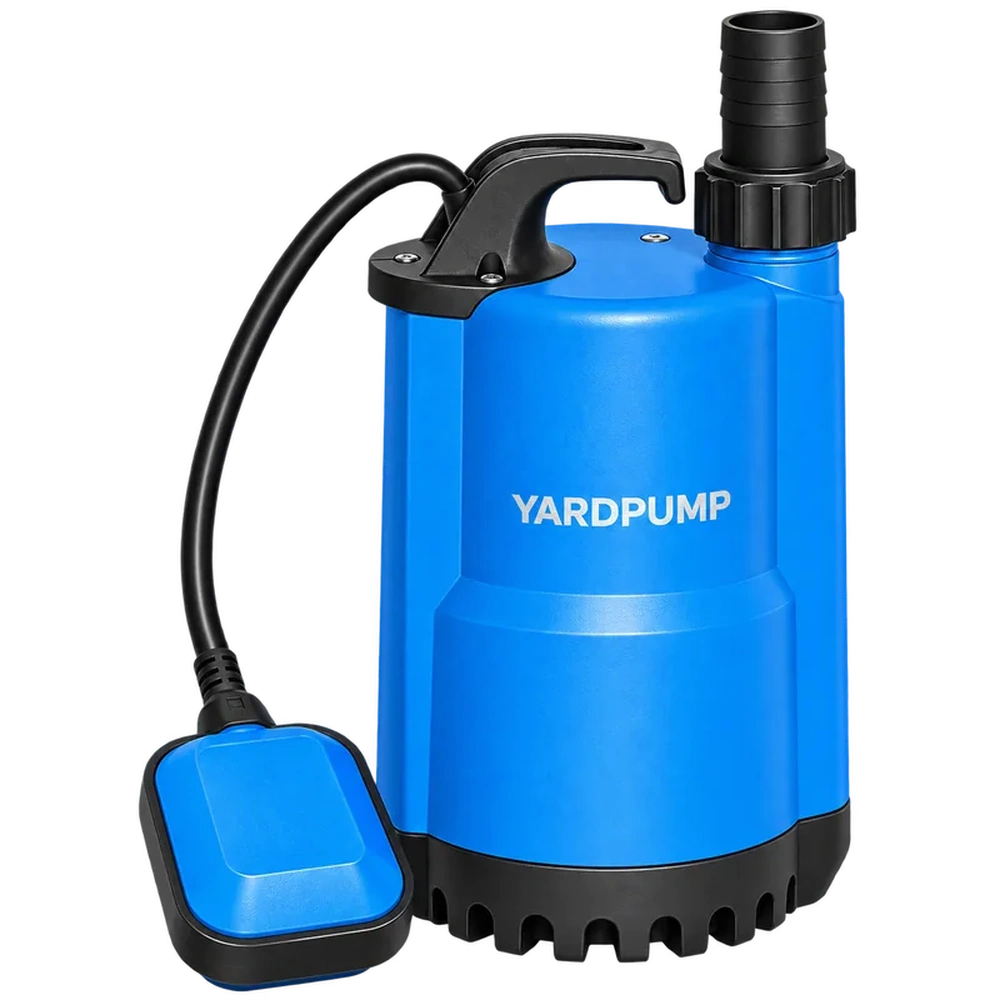
Imagine opening a carton of plastic dirty-water pump impellers. Two examples have the same shaft bore, diameter and vane count, yet they look like mirror images when placed the same way. Should incoming inspection trust the box arrow or install one and see? Hold the carton and associated stock. Compare the physical handedness with the released drawing and approved sample from a defined viewpoint. A part can fit the shaft without matching the motor and casing.
Make the viewpoint unambiguous
“Clockwise” is incomplete without the side from which it is viewed. Require the drawing to identify the inlet face or specified shaft end. Give the part a repeatable placement, such as setting the designated shaft face on a reference surface and keeping the inlet up. Record which leading edge and sweep the inspector should compare. Take photos of both parts in that orientation with identifying marks visible. Do not mirror a photo to improve a layout.
Some impellers show vane sweep directly. A shrouded design may reveal only a short section of passage. Use a released section drawing, a qualified fixture or an approved viewing opening when direct inspection is limited. Do not guess the hidden geometry. A rotation arrow describes intended movement; the vane arrangement is a separate physical feature. The same keyway and bore do not make parts interchangeable.
Validate the sorting method before using it
Retain the original carton, bag labels and photos of the sampled parts. Compare with a released reference, then use a fixture or transparent outline that seats each part in the same orientation. Challenge that method with a known correct part and a known opposite-hand part before relying on it. Do not accept an unverified template or sort by sticker colour alone. If the box and part disagree, record both before anyone relabels the stock. Include opened cartons and work-in-process bins in the stock reconciliation.
For illustration, a carton contains 100 pieces. Five pulled from the top match the drawing, but two from another layer are opposite-hand parts. This establishes mixing in the affected carton. It does not establish a defect rate or justify releasing unexamined cartons because the top samples passed. Hold the associated production lot and issued stock, then use the approved method to resolve the affected cartons. Trace the issue records to identify pumps that may already contain an affected impeller.
Check the remaining fit and performance requirements
Correct handedness is one condition. Axial position, clearance, retaining method and revision still need to meet the drawing. If a whole-pump check is required, use a qualified test team, an approved guarded tank and the required flow, head and load conditions. Do not remove guards or jog an exposed motor to settle the question. Ask the supplier to document how the parts mixed, which inventory was checked and what identification or error-proofing now prevents another mix. Release only the quantity supported by that evidence; keep unidentified parts on hold.
A useful incoming record connects the viewpoint, approved reference, inspected part, lot and assembly destination. That is how a buyer catches a difference that a dimensions-only table and a successful fit on the shaft can both miss.
At a shift change, have the incoming inspector demonstrate the check on a known part. Record which face goes up, which example is the acceptance reference and which is the challenge part. Retain the fixture revision so a later model change cannot silently reverse the decision.
Frequently asked questions
Does the same rotation marking prove the impellers are the same?
No. Use the defined physical orientation and revision, then treat markings as supporting evidence.
Will a reverse-hand impeller always produce no water in the original casing?
No. Its behaviour depends on the motor, vane and casing combination. Visible discharge does not replace identification or performance validation.
Can the lot pass after removing just the two opposite-hand samples?
First establish the affected scope, the approved sorting method and where issued parts went. Removing two known parts does not establish the status of the rest.