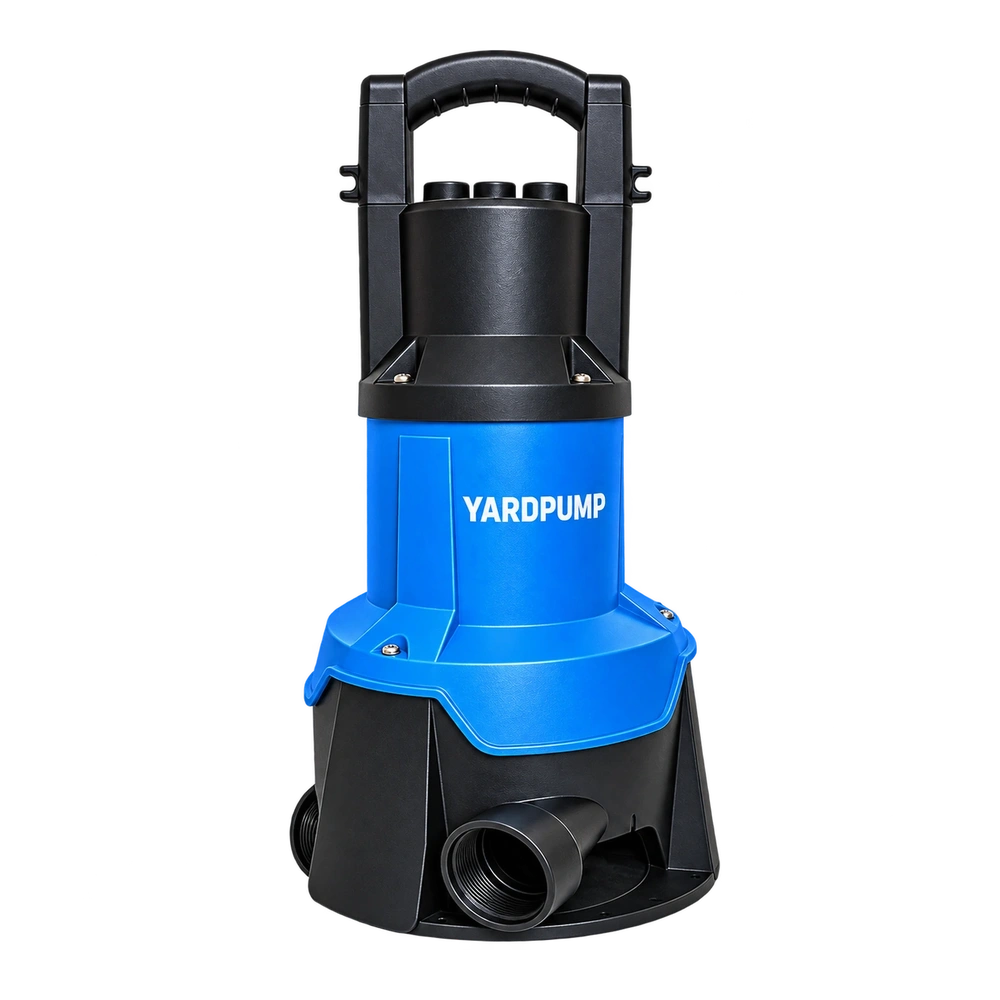
Imagine a buyer witnessing a pressure-decay test. The instrument has a current calibration, and several pumps pass in a row. Before trusting the result, ask whether the assembled fixture detects an approved known leak. A calibrated sensor measures its input correctly within its stated limits. A misplaced valve or wrongly connected fixture can still separate it from the part being tested. A suitable challenge checks the route from the test boundary to the displayed decision.
Calibration and the station check answer different questions
In a leak test, the pump or chamber, seals on the fixture, valves and hoses define the volume under test. The station fills or applies the specified condition, allows it to stabilize, then measures a signal over a set window. If the sensing connection is blocked, a valve closes at the wrong time, or the software is reading the wrong channel, a perfectly calibrated sensor can measure an isolated volume. Conversely, a leaking clamp can make good pumps fail. Testing a stable known-good control as well as a known-leak challenge helps distinguish those effects.
Agree the leak method, specified medium, pressure, stabilization and decision rule for the actual product. A calibrated leak element is meaningful only under the conditions and orientation for which its behavior is known. The verification can use a qualified challenge fixture or a dedicated specimen, with the applied leak at a point that exercises the intended path. Do not pierce a saleable pump or improvise a fitting on pressurized equipment.
Challenge the point the station could miss
For an illustrative acceptance, an engineer has a controlled sound specimen and a calibrated challenge that should be rejected at the specified setting. With the correct connection, the sound specimen passes and the challenge fails. After a fixture change, both pass. This points to a station problem or a bad challenge setup before any conclusion about the production pumps. Check port identity, valve sequence, program revision and whether the challenge communicates with the volume being measured. Retain the output and repeat only after the cause has been documented and corrected.
Use a challenge sufficiently sensitive to demonstrate the intended detection task, considering measurement uncertainty. An enormous leak that fails every test might not show the station’s ability near the relevant limit. Likewise, a single result close to a threshold may vary. Have the test owner define repeatability, placement and the expected outcome from suitable evidence. Do not derive universal challenge sizes from the example.
Use failures to protect the affected lot
Define when to verify the station: at setup, after fixture or program changes, and at intervals suitable for the process and risk. Record station and product fixture identities, program version, pressures or readings, environmental conditions and challenge identity. If a check fails, hold product potentially tested since the last valid challenge as determined by the agreed investigation. Decide which units need reinspection based on the known failure path. A freshly calibrated instrument does not release product tested while the station was bypassing the correct cavity.
Perform tests only on rated, guarded equipment using the approved medium and procedure. Qualified staff must isolate and depressurize before altering a fixture. Keep challenge specimens clearly separate from saleable stock. On the audit record, state that the station demonstrated discrimination under the specified conditions. That is the extra evidence the instrument’s calibration certificate cannot provide.
If the challenge inlet uses a different path from the product, document what it bypasses. Add an approved end-to-end check when that difference can hide the station fault you want to detect.
Frequently asked questions
Is a known-good sample alone enough?
It can reveal false rejection or instability. It does not demonstrate that the fixture rejects the relevant leak.
Can I reuse a challenge at any test pressure?
Only where the calibrated or validated behavior applies. Leak response can depend on the differential and test medium.
Does passing the challenge prove a field seal will never leak?
No. It verifies a particular station and test condition. Other service directions, motion and exposure can require other checks.