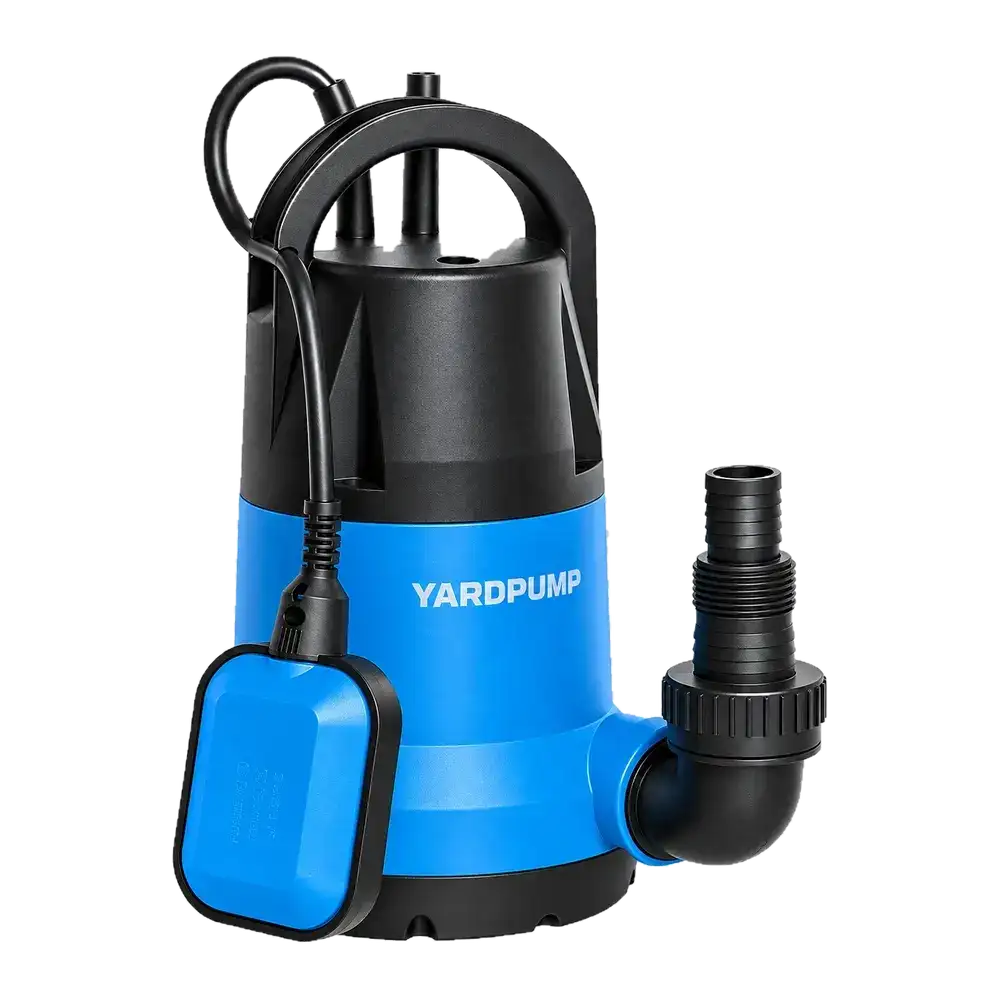
A compact submersible pump housing is shared between two wiring layouts. One version uses a second entry; the other has no cable in it and relies on a plug. The empty-looking position still forms part of the enclosure. Put the plug and its installation into the approved product configuration, and qualify the complete unused-port version. A cable gland approved for a cord of a specified diameter does not automatically seal when no cord is present.
Start at the actual boundary
On the housing drawing, find where water would reach the opening. Trace the plug, its gasket or sealing region, the supported face and the retention feature. A threaded plug may seal at a shoulder or by the thread arrangement, depending on its design. An insert may rely on controlled compression and a mechanical stop. Do not assume tightening further improves sealing. Too much assembly force can damage a plastic seat or deform a seal; too little may leave poor engagement.
Review tolerances for the bore, threads, seat and wall around the opening. The same part number may be assembled into housings from more than one mould; a moulded flash line, burr, surface defect or an edge break that changes the contact zone can affect results. Verify which tool and plug construction were included in the passing product sample. Passing on one occupied port does not demonstrate that the other, unoccupied design is representative. Treat a transport cap and a functional seal as different parts even if both look like black plastic from outside.
Specify the complete unused-port version
Ask engineering for a section drawing and a parts list with the plug, any O-ring or washer, housing revisions, and the approved assembly operation. Record where the sealing surface is, how seating is checked, and what evidence distinguishes the correct part from a shipping cap in a bin. Link the work instruction to the particular configuration so the operator installing one cord knows what belongs in the other opening. If there is more than one approved type of housing, keep the combination visible in the production record.
For example, imagine the same carton number contains a single-cord version with a solid blank and a dual-cord version with two sealed entries. The single-cord sample must have the blank and its seal inspected and tested on that version. It cannot borrow the second cord gland result from the dual-cord version. If a softer plug is proposed to simplify fitting, compare it with the approved materials and fixation, and have the proposed assembly evaluated before using it, even if the drawing shows the same dimensions.
Qualify it as built and protect the stock decision
Have qualified staff use the applicable approved enclosure and product procedures at the proposed use conditions. Verify the entire assembled housing, not a loose plug judged only from a component data sheet. Include the relevant tolerance and conditioning cases set by engineering, such as temperature changes, water exposure, handling and time if they can change retention or sealing. The product method and lab requirements determine these checks. This is not a pressure test to improvise in the field or an instruction for substituting plugs on an energized pump.
If units are already packed, trace from physical configuration and plug lot to affected cartons. A missing or unidentified sealing part is a reason to hold the affected stock pending authorized review. Retain photographs before disturbing it. If the end user sees water at a cable area or a loose plug on a unit already in use, have them disconnect safely from a dry place and refer it to qualified service. Do not suggest patching an entry with glue or tape.
A buyer can close the revision when the specific housing and unused-port assembly are approved together, the approved procedure confirmed the actual assembled version, and production and stock records can distinguish it from other configurations. Make that agreement part of the next purchase order; it is easy for a decision about an unused opening to be lost when the pump model name stays the same.
Frequently asked questions
Is a matching thread enough to approve a blank?
No. Check the sealing contact, material, engagement and complete installed construction.
Does a loose black cap mean the pump has lost its seal?
Identify the part first. A shipping protector may cover a separate permanent closure. Refer uncertain or suspect units to service.
Can we remove the plug when a customer later requests another cable?
Only under a manufacturer-approved conversion, with the specified parts and safety verification for the resulting version.