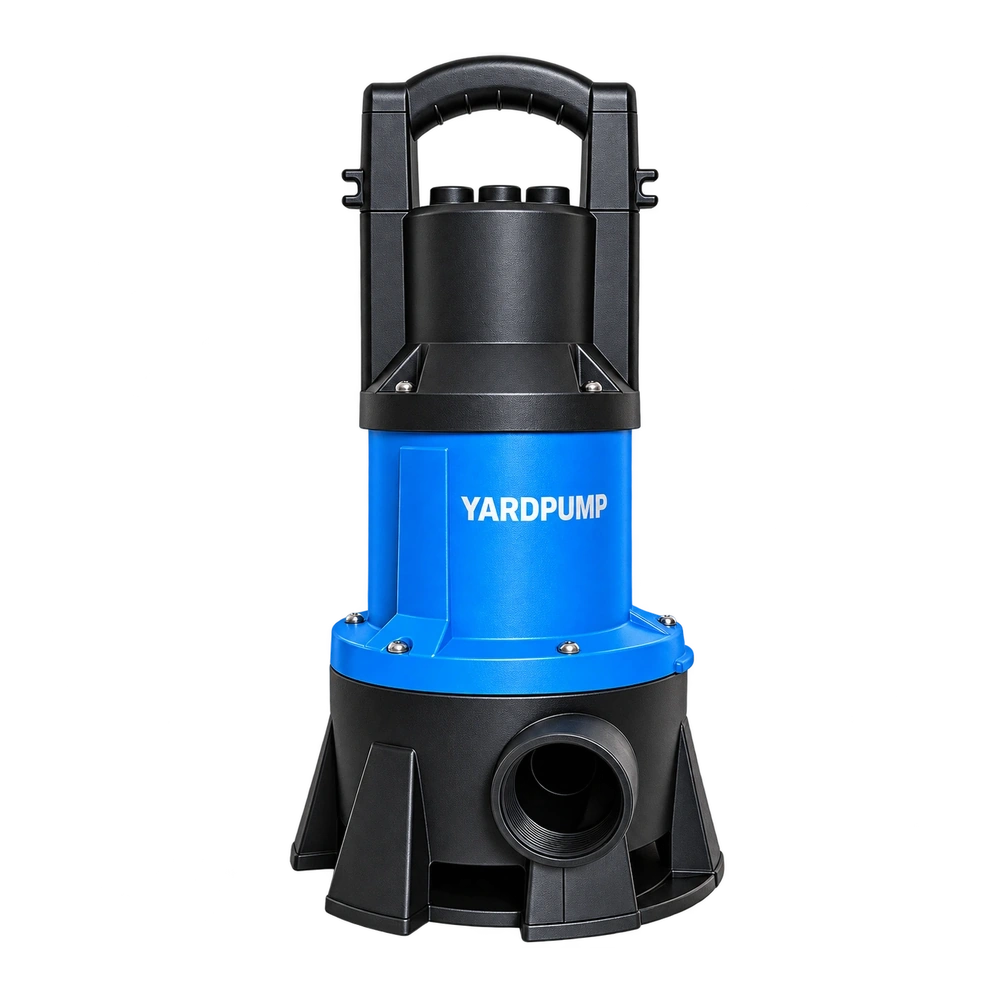
Imagine a distributor receives a returned pump for an outlet leak. The carton contains the pump, a detached fitting and a gasket in a separate bag. There is no photo before dismantling. Can one flattened side prove the customer fitted it backwards? Usually not. The surface and shape can support a hypothesis. Once the gasket is out, its orientation, original loading and first leak location may no longer be reconstructable from the loose part.
Separate the received condition from the installed condition
Record who took it apart, when, whether any gasket had already been replaced and what is in each bag. Photograph the bag and identifier, then document both sides and the relevant dimensions under the approved process. Preserve the fitting and pump outlet surfaces as well. Do not flip, clean or substitute the gasket and then present a new photo as the original assembly. If the customer has a view taken when the leak started, match the pump identity and timing. Separate the first wet point from water that subsequently ran down the joint.
Some gaskets are symmetrical; others have a locating lip, shoulder or defined pressure direction. Check the actual revision drawing and part number. Colour or a compression mark does not identify orientation on its own. Scratches can also be introduced during removal or transit. One-sided contact may relate to an uneven face, misalignment or hose load. Look for a compatible mark on the mating part and for evidence of when the contact occurred.
Say what an observation supports
Suppose, for illustration, a bag contains an old flat gasket and a new ring. One has a compression mark biased to one side, with a bright mark on the fitting nearby. A field photo identifies the pump but not the fitted gasket. There is a reason to investigate uneven contact. There is not enough evidence to conclude which gasket was installed or whether it was reversed. A clear pre-removal photo showing the correct parts and locating step would strengthen the evidence. Pressure, liquid temperature, hose support and the faces still matter.
Keep two columns in the service record: observations and questions. “Two different loose parts” and “local mark on the fitting” belong in the first. “Possible off-centre loading” belongs in the second. If a controlled retest is allowed, use the specified parts and relevant installation conditions and record where water first appears. Do not alter a joint under pressure, energised or in an unsafe wet location. A successful retest demonstrates the tested combination. It does not establish that the customer's original installation was wrong.
Improve the evidence that comes back next time
From a safe position, ask for the pump identity, a view of the complete connection and where the leak first appeared. If disassembly is needed for safe transport, keep parts separately identified and record the reported orientation. Do not ask the user to restore a potentially unsafe assembly to take a picture. Handle contaminated items under the approved process, preserving the received record before any cleaning. The disposition may be confirmed, subject to further verification or not reconstructable. Each can guide a practical service response.
If the supplier sends a replacement gasket, record its revision and the assembly for which it is approved. Retain the identity and condition of both parts so that marks on a new sample are not later mistaken for evidence from the return.
If a good assembly is used for comparison, record the hose position, bearing faces and fitting method. Changing the support or elbow at the same time as the gasket prevents assigning the improvement to one part. A retest record should identify every relevant change.
Frequently asked questions
Does a one-sided gasket mark prove reversed installation?
No. Alignment, the mating face and external loading can also create it. Check the original orientation and both surfaces.
Can we reassemble the loose parts for a photograph?
Only as an approved reconstruction or retest, clearly labelled as such. It is not a record of the received or original installation.
Is there any point in checking without a photo of the leak?
Yes. Document identity, condition and what can be reproduced. Leave the unknown assembly details open.