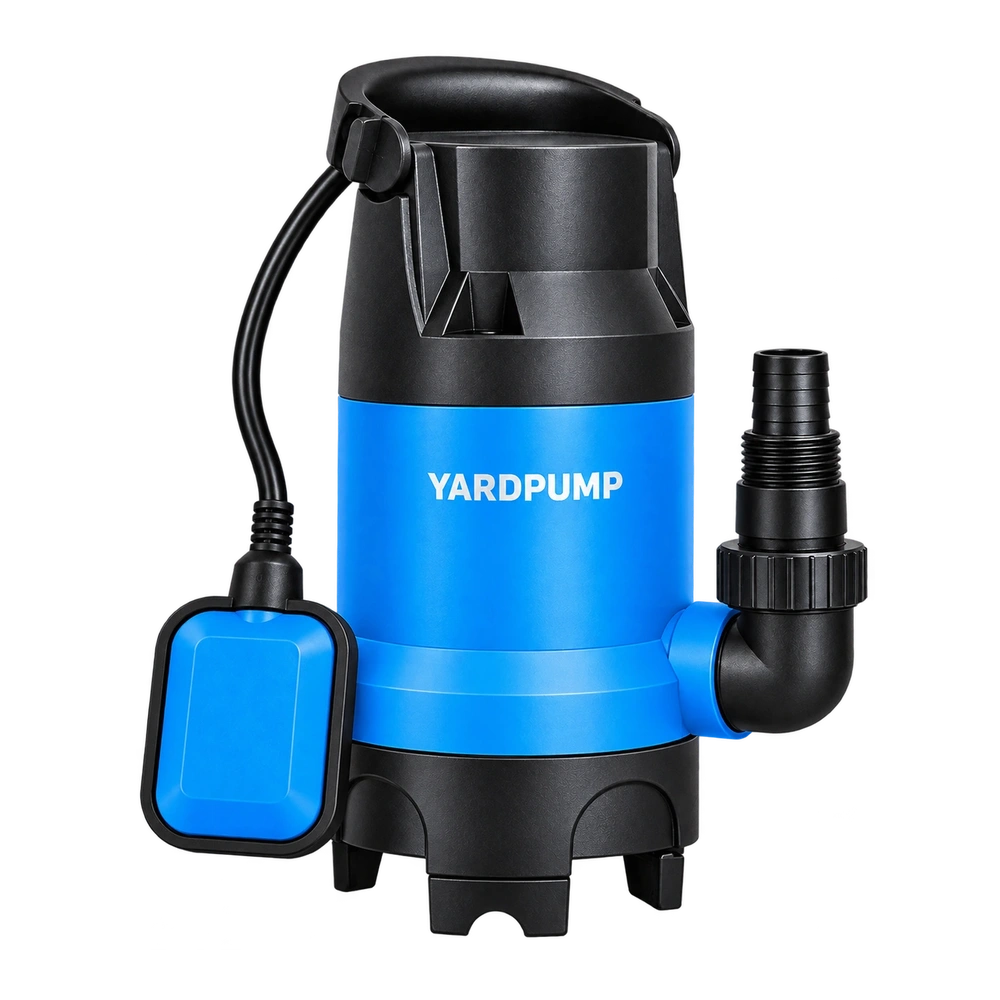
Consider the following material-change request as an example. A resin sheet lists UL 94 V-0, so an OEM buyer proposes changing the pump housing colour and reducing wall thickness while keeping the claim. Is the material name enough? No. Check the exact compound, the applicable colour coverage and the thickness basis in the relevant recognition or test evidence. A flammability classification for material specimens is not an unrestricted approval of every moulded part or the complete pump.
Read the property as a scoped result
The classification belongs to a defined material and test basis. A resin family name such as glass-filled polypropylene or PA66 does not identify every formulation. Flame retardants, reinforcement, pigments and other constituents can differ. A commercial sheet that groups several grades together is not sufficient to approve an unspecified production compound.
Verify the current manufacturer, exact grade, file or recognition identity and relevant property row. A statement on a distributor quotation should be traceable to that evidence. Where colour codes are used, establish what they mean for that recognized material. “All colours” within a defined coverage is not permission to add arbitrary third-party colourants or change the underlying formulation.
Thickness can change the applicable result
Material evidence can list different classifications at different specimen thicknesses. Do not retain the most favourable row while designing a thinner section. Compare the required minimum and actual relevant part geometry through the product's evaluation method. An average wall value does not prove that a thin local region satisfies a minimum-thickness condition.
For illustration, suppose the only supporting row for a desired classification requires a minimum thickness of 1.5 millimetres, while the revised relevant section is 1.2 millimetres. The original row does not support that revised condition. This is a hypothetical evidence check, not a statement that either thickness is acceptable for a pump or that the thinner part necessarily has a particular lower class.
| Identity or condition | Check before carrying the claim forward |
|---|---|
| Compound | Exact manufacturer and grade, including relevant variants |
| Colour | Defined colour coverage and permitted colouring route |
| Thickness | Applicable evidence row and actual relevant minimum |
| Manufacturing | Controlled material and processing configuration |
| Finished product | Separate evaluation and permitted public claim |
Approve the actual colour-change route
Ask whether production uses a pre-coloured approved compound or adds a specified masterbatch at the moulder. Identify the additive, loading and authorization for the recognized material. A shade plaque can approve appearance while leaving the material-recognition question unresolved. Regrind, supplier changes and undocumented blends likewise require assessment against the applicable scope.
Preserve receiving traceability from resin and colour material to moulding lot and finished pump. Check the revised part rather than only a thick sample plaque. If the proposed colour or thickness lies outside existing coverage, obtain the required evaluation before making the claim; do not assume it fails or passes without evidence.
Keep flammability distinct from other pump requirements
A flammability result does not establish hot-water resistance, long-term mechanical strength, seal stability, dielectric suitability or complete-product safety certification. The part still needs its relevant material and assembly validation. Reducing thickness can affect dimensions and structural behaviour even where its flammability evidence remains valid.
For compact plastic pump procurement, release the change through the existing BOM and drawing record with separate lines for appearance, geometry, material scope and product evaluation. Public wording should identify only what the applicable evidence permits. This discussion does not claim that every YARDPUMP housing grade has V-0 recognition. It explains how a buyer should assess such a statement when it is part of a proposed specification, rather than treating a single datasheet badge as transferable to every colour and wall.
Frequently asked questions
Does a black and a red part always have different classifications?
No. They may share valid coverage. Check the recognized grade and colour scope instead of assuming either equality or inferiority.
Does V-0 mean the complete pump is UL certified?
No. Material classification and complete-product certification are different evidence scopes.
Can I use a thick colour plaque to approve a thinner housing?
Not by that result alone. The actual material, colour route and relevant thickness require applicable evidence and product review.