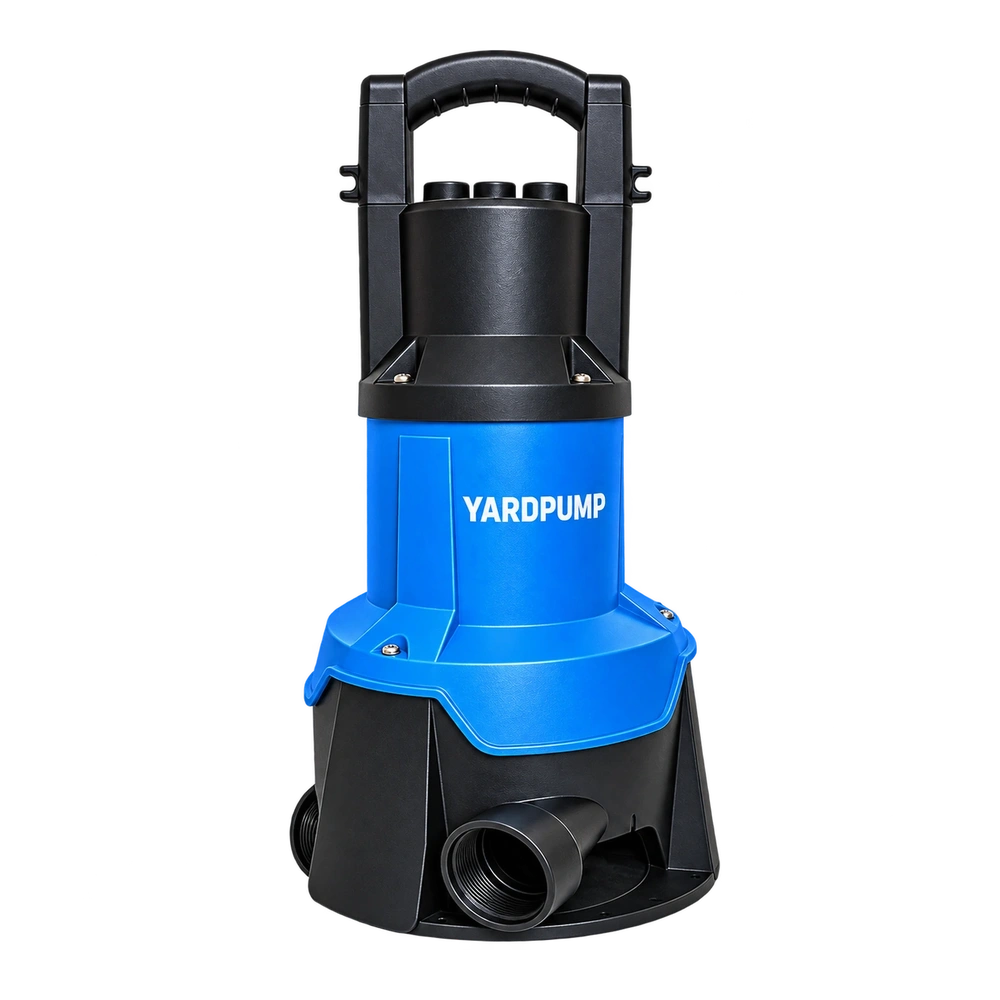
For example, take two intermittent drainage pumps. One draws 420 watts while running and the other draws 350. If the second runs longer or more of its discharge returns to the sump, it may use more energy for the same job. Measure the electricity over an entire cycle at comparable levels and discharge conditions, then divide by the volume actually removed. A steady watt reading describes a moment. Procurement needs the energy required to deliver the task.
Define the cycle and the metering boundary
Begin at a specified initial level or a defined phase in a stable repeated cycle. Finish when that phase recurs. Record start, effective outflow, shutdown and any water returning afterward. If a package includes a controller, power supply or monitoring, say whether its waiting consumption is inside the meter boundary. Compare equivalent head, pipework, water levels and incoming flow. Where water returns after shutdown, measure net delivered volume or account for return at a consistent boundary. Otherwise a system can be credited twice for lifting the same water.
Use an energy meter suitable for the low loads, starting and waiting periods, with qualified staff on a safe setup. Capture several consecutive cycles and distinguish first start from repeated operation. Current multiplied by voltage is not necessarily real power. Use real energy integrated through the cycle. Measure volume with a suitable flowmeter or volume method and check residual water and backflow. If the sump is also receiving water, a falling level alone is not total pumped volume. Inflow during that period must be accounted for.
An illustrative result
Suppose one cycle of pump A uses 0.030 kilowatt-hours and removes 120 litres net. That is 0.25 kilowatt-hours per cubic metre. Pump B uses 0.028 kilowatt-hours in a cycle, which looks better until its net delivery of 100 litres is considered. Its result is 0.28 per cubic metre. If both meet peak inflow, an illustrative 600 cubic metres per year implies 150 versus 168 kilowatt-hours using those rates. Actual estimates depend on standby boundary, season and maintenance condition. These are not model test results or local electricity prices.
For a quotation, request the underlying cycle energy and net volume rather than only the lowest input watts. Exclude designs that cannot keep up with inflow or would exceed their allowed start frequency. Then compare estimated annual energy, maintenance and controller costs among suitable options. If a small difference is within measurement uncertainty, test additional representative conditions or report that the bids cannot be separated on energy. A buyer can still compare service access and spares without pretending the energy figures settle the purchase.
Separate task energy from connected time when estimating annual cost. If seasonal volume changes, apply representative cycle results to the relevant periods. If a monitor remains on all year, calculate its waiting energy over that connected time. Equipment disconnected outside the wet season has a different boundary. Also check whether different start and stop levels are both acceptable for the sump. A pump that stops earlier has not done the same job as one that draws to a lower level. Attach the flow and head range, annual volume scenario and connected hours to the comparison so the buyer can revise it when the duty changes. If energy tariffs are added later, identify the buyer's actual tariff and what is included. Do not turn an illustrative calculation into a promised operating bill.
Frequently asked questions
Can a single bucket of clean water identify the best option?
It can screen candidates. Verify representative cycles if the installed hose, levels, return water or waiting time differ.
Must a full day of standby be counted?
Count always-on control and monitoring if you are comparing annual system energy. State the boundary and keep standby separate from running power.
What if annual volume is unknown?
Use low, medium and high service scenarios based on defensible observations. Apply verified cycle results to each rather than treating one forecast as a guarantee.