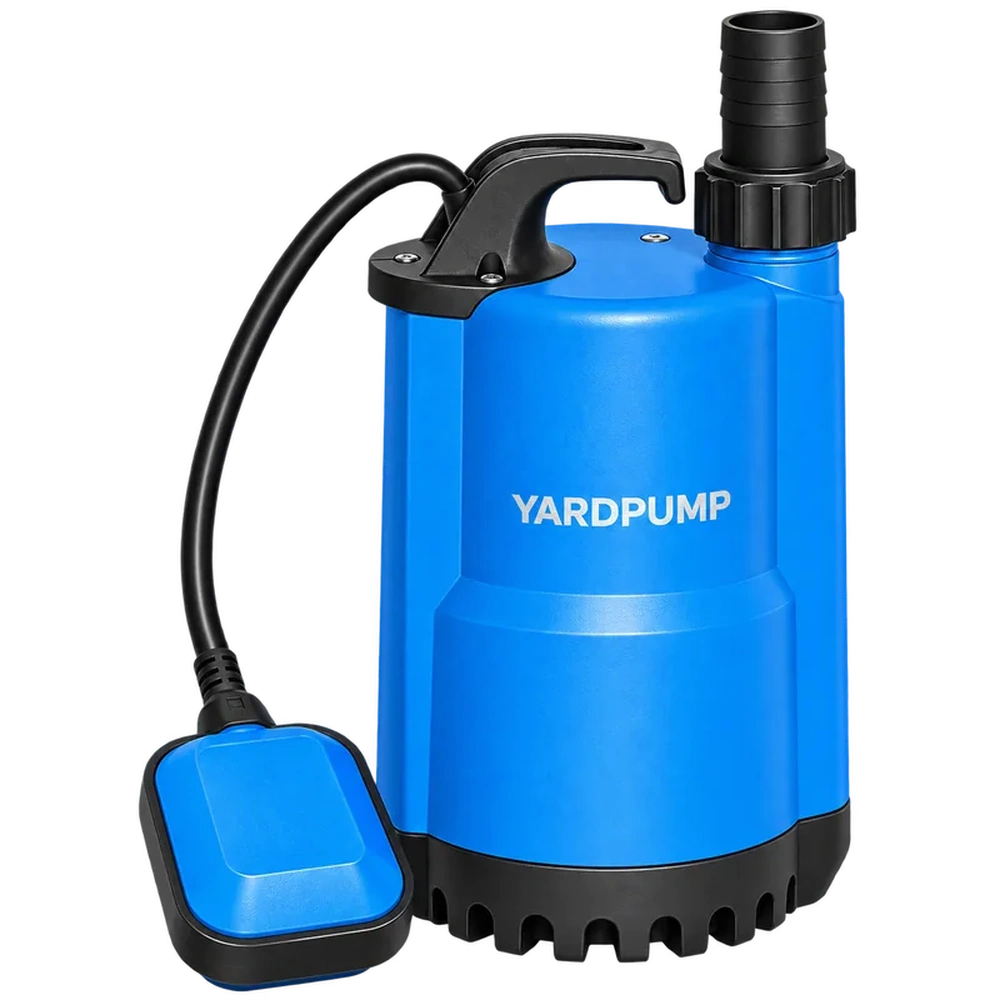
A typical purchase order states 220–240 volts, but the attached performance report contains only a 230-volt test. That report describes its test condition; it does not automatically establish starting, delivery and thermal performance throughout the declared range. Buyers should first define what the range promises, then agree the verification matrix.
A voltage range is not an average setting
An induction motor's current, slip, starting torque and thermal behaviour respond to voltage and load. The relationship is not necessarily linear. Starting without meaningful load at the lower voltage does not prove that the complete pump will start reliably there.
Likewise, a lower current at a higher voltage does not automatically establish a lower winding hotspot. Frequency, run capacitor and supply waveform remain part of the configuration. If different windings or connections are required for different ratings, identify those versions rather than combining them into one apparently universal label.
Keep cable, plug and protection versions identifiable too. The same commercial model name can cover physically different electrical assemblies, so the evidence must follow the supplied bill of materials.
Write the promise as a testable statement
For example, a specification might state that the published curve was measured at 230 volts and 50 hertz, with starting, stable running and protection separately verified over the approved voltage range. Alternatively, a buyer may require a minimum flow at a specified head throughout that range.
Those are different promises and need different evidence. The example is a way to clarify the requirement, not a recommendation that every model declare the same range. Actual ratings and safety limits must follow the design, applicable requirements and approved product documentation.
Carton, nameplate, manual and report should agree. A footnote about one test voltage cannot repair a materially broader headline claim that the evidence does not support.
Combine supply points with meaningful pump loads
Select relevant voltage points and combine them with the required cold start, hot restart and representative hydraulic duties. Do not use only the easiest load. The programme should consider the higher motor-loading region of the actual hydraulic design and any approved low-flow cooling restrictions.
Engineering personnel and the laboratory should determine the matrix. It is not a request for customers to improvise variable-voltage tests on site.
Measurement location matters. A source showing 220 volts does not establish the same voltage at the end of a long cable. Define whether values apply at the plug or motor terminals, and record cable length, conductor size and connection. A photograph of steady voltage can also miss a short starting dip.
Explain protection behaviour rather than merely recording it
If protection repeatedly operates at a boundary voltage, “the protector worked” is not a complete acceptance conclusion. Establish whether the condition falls inside the declared range, whether the required duty was achieved and whether reset behaviour matches the design.
Do not raise a protective setting or bypass protection to obtain a passing runtime. Any electrical testing or connection change belongs with competent personnel using isolation and a controlled test arrangement.
For quotation comparison, request the same voltage points, water temperature, hydraulic duties and electrical configuration. The purpose is to establish what each proposed version can actually support in the intended market, rather than extending one attractive centre-point result to every supply condition.
Keep the report connected to the shipment
Identify sample serial numbers, BOM revision, instruments and test conditions. If a production change affects winding, capacitor, cable or protection, assess whether the range evidence remains applicable. A declared range is a maintained product commitment, not merely a label selected during artwork approval.
Define whether a test represents a stable boundary voltage or a dynamic disturbance when other loads start. These answer different questions. Passing steady operation does not establish tolerance of every transient. Generator or inverter use adds waveform and starting-capacity considerations; a wide voltage label alone does not automatically cover those additional supply conditions.
Questions about voltage ranges
Is a wider range automatically better?
No. Assess what is guaranteed within it, how it is verified and whether the application needs it. Width alone is not a quality grade.
Is testing the lowest voltage sufficient?
Not necessarily. Worst starting and worst heating may occur under different combinations. The design assessment should identify the relevant points.
Can 50 and 60 hertz be averaged into one test?
No. Frequency changes speed and hydraulic loading. Verify the corresponding approved versions and conditions separately.