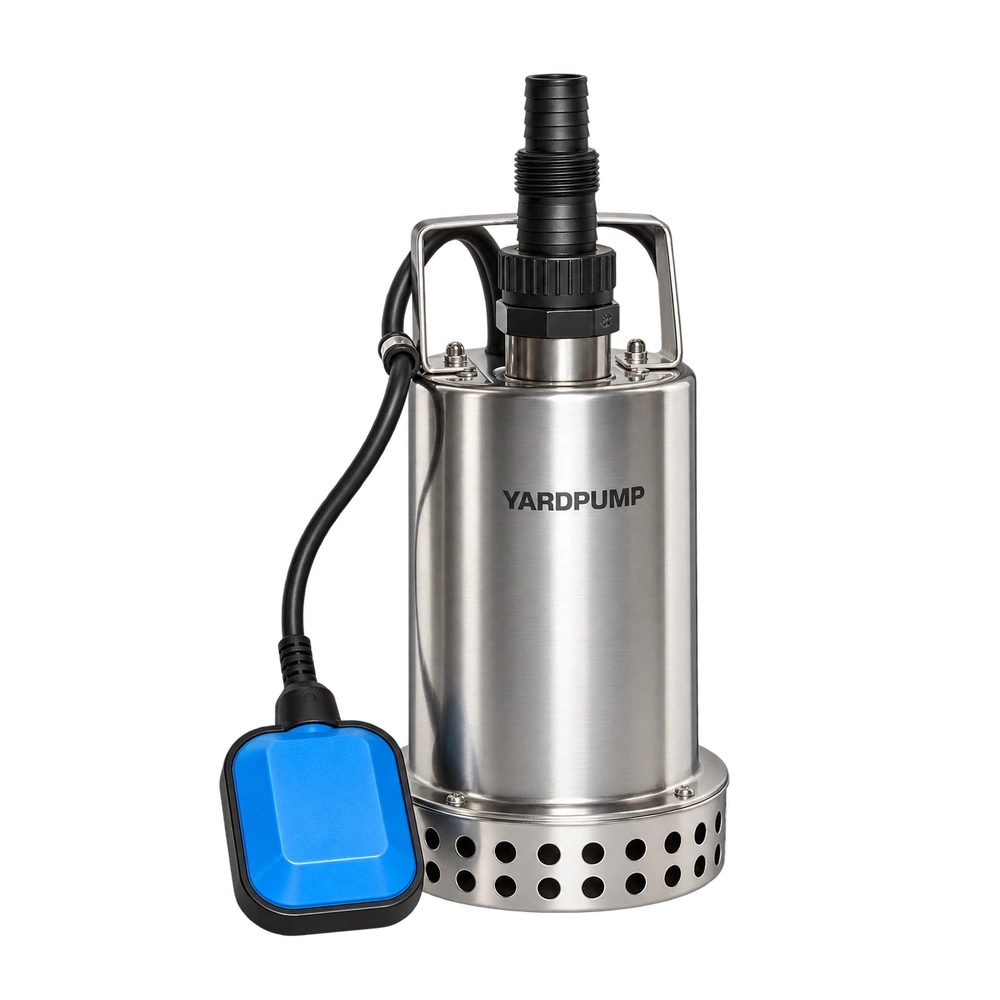
“We tested the same pump ten times. Can the report state a sample size of ten?” It must distinguish ten readings from ten separate pumps. Repeated measurements can show repeatability or change over time for one unit. They do not provide evidence of variation among ten products. Define the intended inference before counting products, test runs and individual readings.
Identify the level of repetition
Repeated readings from one pump under similar conditions can reveal short-term measurement and operating variation. Removing and reinstalling it, changing the station or altering conditions introduces other effects. State what was repeated rather than recording an unexplained “ten repetitions.”
Different pumps may vary from one another. Testing one pump repeatedly does not increase the number of products observed. Closely grouped readings provide evidence for that unit and arrangement; they do not establish a narrow distribution across the production lot.
| Test arrangement | Information obtained | What it does not cover |
|---|---|---|
| Ten readings from one pump | Variation under that measurement arrangement | Differences among ten products |
| One reading from each of ten pumps | Results for ten selected units | Within-unit repeat behaviour |
| Repeated tests on several pumps | Evidence about unit and repeat variation | Uncovered lots or conditions |
| One pump at several duties | That unit's operating response | Independent product samples |
Count products and readings separately
For a hypothetical plan, select ten pumps from a lot and record three flow readings from each. Report ten products and thirty readings, not thirty product samples. Selecting one pump and recording thirty readings still means observing one product.
Both arrangements may be useful, but they support different conclusions. The sampling method also matters. Ten units from one station during a short period may provide different coverage from a selection designed around the agreed production scope.
Correct labelling is therefore necessary but insufficient. Record where samples came from and how they were selected. Calling them independent does not resolve a tightly clustered or otherwise unsuitable selection.
Design the test around the acceptance question
A measurement-repeatability study and a production-consistency check ask different questions. A study of operating-condition changes asks another. If several objectives are combined, keep their levels separate in the records.
Larger reading counts do not automatically improve representativeness. The arrangement needs to address the intended product population, production scope and measurement conditions.
Give each product a traceable identity and record test time, duty and relevant instrument information. Retesting must not silently replace an initial failure. Preserve the original result, reason for retest, intervening action and final disposition. Otherwise, favourable final readings may conceal what actually happened.
Make reports and contracts explicit
A useful report states the number of products, readings per product, operating conditions and any exclusion rules. When presenting averages or variability, identify the unit of analysis. Multiple readings from one pump should not be treated as if they came from multiple independently selected products.
Where statistical inference is required, competent personnel should use a design and analysis suited to the question. A single pooled average may hide differences between units or between repeated readings.
Agree the sampling unit, lot definition and acceptance basis before testing. Waiting until the report is complete to decide what “one test” means invites disagreement. This article specifies no universal sample quantity or acceptance-quality limit for pump orders.
Electrical and running tests still require qualified personnel and the approved procedure. Repeating a measurement does not justify repeatedly energising faulty equipment. Follow the equipment's shutdown and abnormal-condition requirements.
Frequently asked questions
Does reinstalling the same pump create another independent product sample?
No. It may create another installation repetition, but the product is still the same unit. Record the actual level of repetition.
Can averaging ten readings make one pump representative of the lot?
No. Averaging can address some reading variation, but it does not increase the number of products or the production scope observed.
Can a failed first result be deleted when the retest passes?
It should remain in the record with the retest reason and actions. Apply the agreed procedure when making the final disposition.