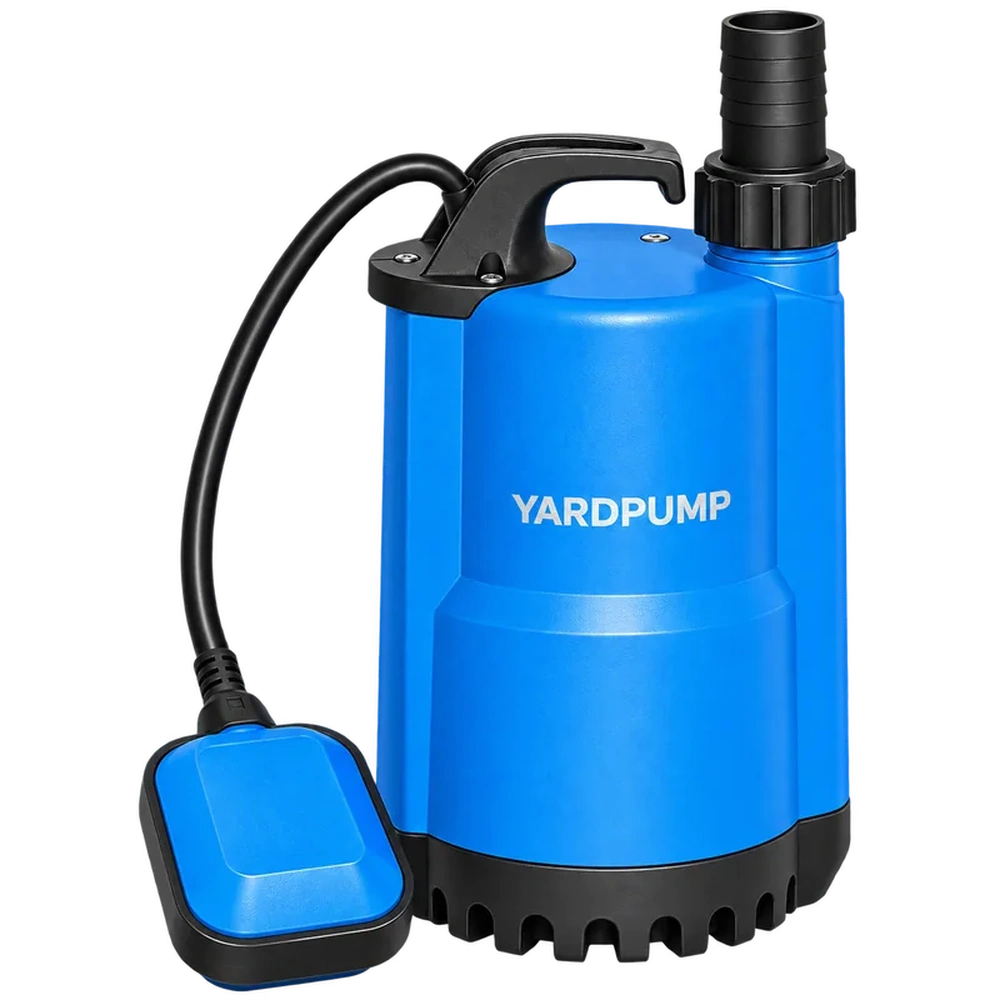
Suppose a service team receives this photo. One blade of a drainage pump's plug has blackened while the other looks relatively normal. Someone suggests fitting a new plug and trying it again. Do not do that. Have the equipment safely isolated and assessed by qualified personnel. Local contact resistance can generate heat, but one mark cannot show that the receptacle was the only cause or that the pump is safe. Heat can damage both sides of a connection. Plugging a suspect pump into a different receptacle can introduce the hazard to another connection.
Use the position of the mark as a lead
The blade needs adequate contact with the receptacle contacts. Oxide, looseness, distortion or debris can raise local resistance and produce heat under load. That temperature may not be obvious from an overall power reading. Higher or longer lasting current can also heat an already poor joint. The plug termination, adapter, extension or the wiring behind the receptacle can contribute. Discolouration, softening, smell or a burn pattern is useful evidence. It does not identify a failed protective device or establish who caused the damage.
Imagine a brown mark where one blade contacted its receptacle, with visible heat distortion on the matching faceplate. The pump cord appears intact. That supports inspecting the specific mating contacts first. It does not release the pump or other connected equipment. A normal-looking receptacle face likewise says little about internal contacts and terminals. When a plug has already been cut off, its orientation and the corresponding marks may be lost. Retain the paired items when this can be done safely.
Gather evidence only after the installation is made safe
If there is smoke, melting, an ongoing hot condition or unsafe standing water, do not touch the equipment. Follow the site's emergency and isolation arrangements. Once safe, have qualified staff record the original plug and receptacle, their orientation, which blade face was marked, all adapters and the actual pump version. Take a close view and an overview of the cable route. Note whether the plug had felt loose, whether an extension was in use and when the smell or mark appeared relative to water level, operating duration and protective actions. Do not remove the mark or ask a customer to open a receptacle or test a live terminal.
A qualified person can assess the supply-side installation under the applicable procedure. The pump and cord need the approved service checks for that model, including possible abnormal load, water ingress or insulation damage where relevant. Do not recreate the failure by inserting a damaged plug into a sound outlet. Any necessary measurements belong on an appropriate, approved test setup. Record which conclusions come from inspection and which remain hypotheses.
Close the service case on both sides of the connection
Arrange supply-side repair and verification through the responsible electrical service. Have authorised pump service assess the pump and lead for repair, replacement or retirement. Record the original arrangement and results from both sides before making a warranty decision. One burned blade does not automatically mean the customer overloaded the circuit. A cooler new plug during a short demonstration is not a release. Where the cause has not been demonstrated, state what has been ruled in and what must still be held out of use.
Keep the heat-damaged plug paired in the record with the actual receptacle position. Identify the outlet and, if applicable, the relevant socket on a multi-outlet unit. Do not use another appliance to reproduce the heating for a photograph.
Frequently asked questions
Can the blade be cleaned and tried again?
Cleaning is not electrical clearance. The damaged components and the corresponding connection require qualified assessment.
Can a clean second blade rule out high pump load?
No. Contact resistance and load can act together. They need independent evidence.
Is a photo of the plug enough for service?
It is a start. When safe, include the mating receptacle, adapters, overall arrangement, pump version and the event sequence.