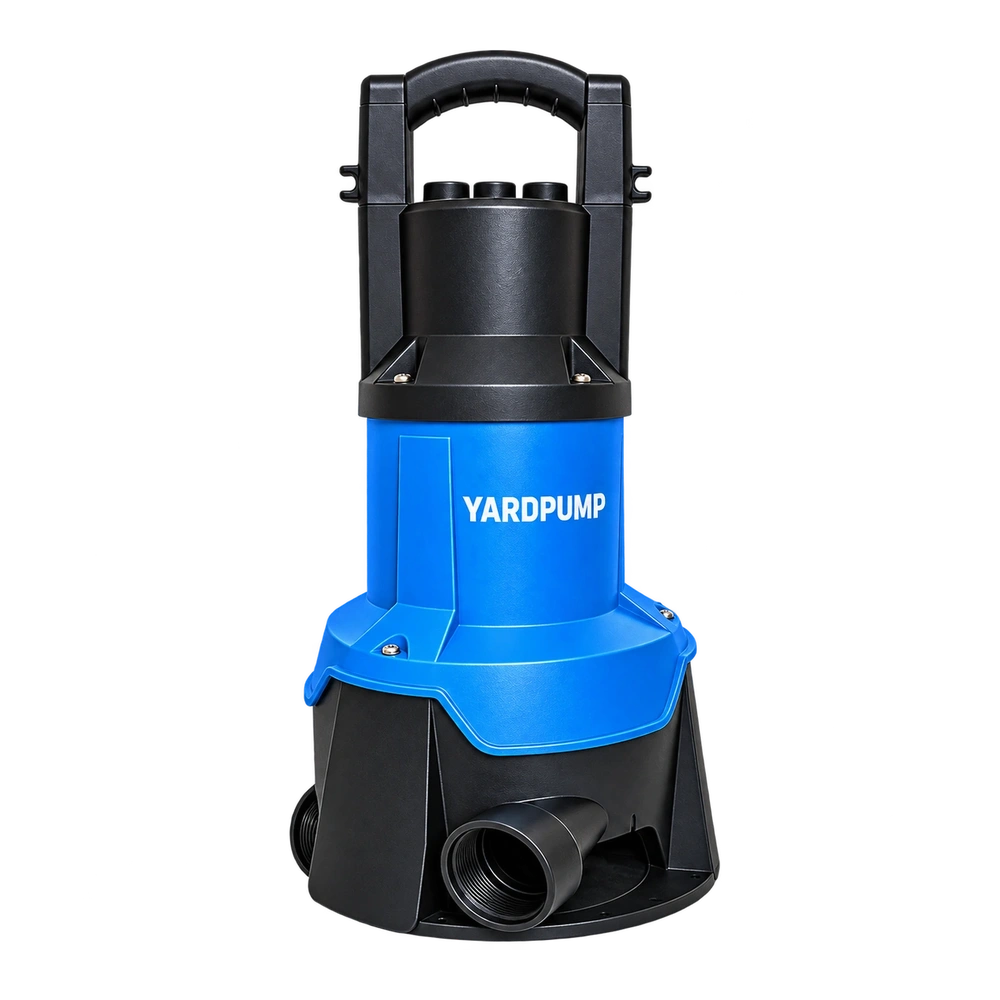
One pump is returned. Should the distributor replace that unit or stop the entire batch? This typical after-sales decision cannot be made from the return count alone. Consider potential severity, the reliability of available evidence, possible common causes and the traceable population. Temporary containment prevents an unresolved risk from spreading. It does not mean that every pump placed on hold has already been proven to share the same defect.
Separate observations from established findings
Record the customer's description, the returned unit's condition and competent test findings separately. A burn mark, unusual sound or written allegation of electrical leakage warrants investigation, but does not independently identify the cause. For a suspected safety issue, stop use of the affected equipment and apply the appropriate controls. A single reported unit is not a reason to discount severity or continue an unsafe investigation.
Conversely, one cosmetic scratch does not automatically establish a batch-wide electrical issue. Unit identity, operating conditions, transport, installation and the circumstances of failure help distinguish an individual event from packaging, component, configuration or wider design concerns. Keep conclusions provisional where evidence is incomplete. Accurate separation of facts and assumptions makes the next inspection more effective and avoids unnecessary claims about unaffected products.
Define the first population through shared factors
Useful traceability can include complete-pump batch, critical-component lot, assembly period, product revision, packaging batch and supply source. The first containment boundary should reflect a plausible relationship, not simply a date printed on a carton. A component shared across several finished-product lots can create a population that crosses the usual complete-pump batch boundary. Inventory records should allow that relationship to be investigated.
For an illustrative scenario, suppose a connection accessory under investigation was fitted to two production lots. Holding only the returned pump may miss related stock, while stopping every product could be unjustified. The responsible team should use risk and traceability evidence to decide the initial boundary. This is a fictional method example, not a customer incident or a statement about actual failure rates.
| Evidence category | Initial focus | Evidence still needed |
|---|---|---|
| Possible isolated transport damage | Affected unit and relevant packaging | Transport, carton and physical-condition link |
| Shared component or configuration concern | Units using the same source or revision | Lot identity and relevant test findings |
| Incomplete information with safety implications | Prudent risk-based control | Prompt competent assessment and traceability |
Make inspection test a particular hypothesis
State why selected units represent the suspected risk. Testing one convenient good pump may contribute little. If a component lot or assembly period is suspected, inspect according to that factor. For an intermittent symptom, establish whether the test actually reproduces the relevant conditions. A brief room-temperature run does not automatically exclude a problem appearing only under different service conditions. The inspection must be capable of detecting the issue being investigated.
As evidence develops, decide whether to expand, reduce or retain the boundary. Failure to reproduce a symptom does not prove every associated unit safe; one abnormal result does not establish a common cause either. Retain method, sample identity, findings and remaining uncertainty together. This helps prevent release decisions based on a reassuring impression rather than a relevant and reviewable investigation.
Define release before removing the hold
Temporary control needs an owner, record and review point. Releasing stock needs explicit grounds, which may include confirmed cause, corrective work and relevant verification. Check that affected configurations have not been mixed back into available inventory. Removing a warehouse hold flag is the administrative result of a quality decision, not the complete decision process itself. Preserve the authorization and the evidence supporting it.
For units already shipped, the responsible parties must also determine appropriate communication and action based on risk and applicable requirements. A warehouse hold alone does not complete every responsibility. A distributor contributes most by preserving evidence, maintaining traceability and executing defined controls. Avoid both declaring an entire batch defective from one return and dismissing a serious concern because the reported quantity is small.
Questions about batch containment
Can a single complaint be left unrecorded?
It should be recorded. One event can reveal a shared component or revision issue, and severity is not determined by count.
Do a few normal samples justify immediate batch release?
Not without confirming that the inspection addresses the suspected risk and that a defined release basis has been met.
Must the boundary follow the finished-pump production date?
No. Component lots, configuration, assembly or packaging factors may define a more relevant associated population.