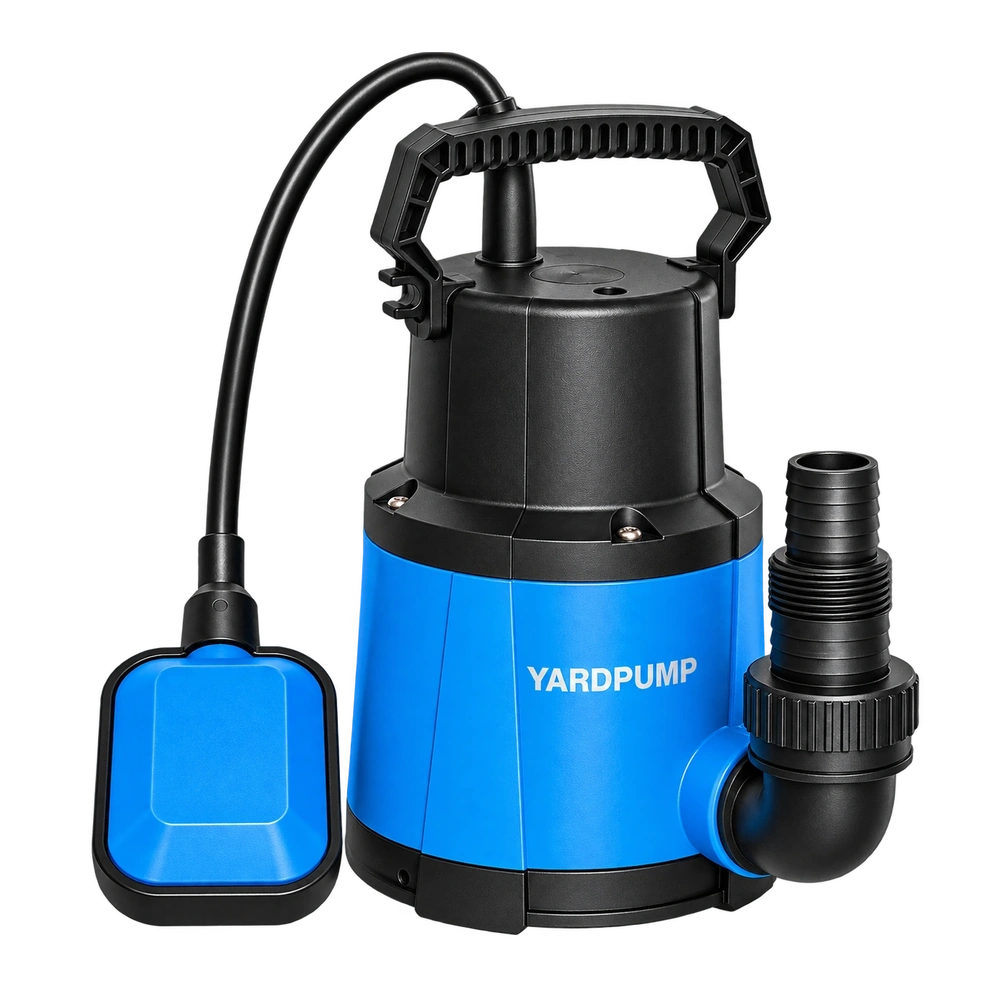
A typical acceptance dispute starts with a small margin. The order requires at least ten litres per minute at a specified head; the report shows 10.1. The supplier calls it a pass, while the buyer says it is too close to the limit. The answer depends on an agreed decision rule, including how measurement uncertainty affects the conformity statement. Product tolerance and measurement uncertainty are different things.
Separate the requirement from the measurement
A performance tolerance defines the allowed product range. Measurement uncertainty describes the dispersion reasonably associated with a result under the stated measurement conditions. Neither should silently replace the other.
Instrument accuracy alone is not the uncertainty of a complete pump test. Repeatability, flow stability, installation, level measurement and data processing can also contribute. A calibration certificate supports the assessment but does not automatically establish uncertainty in every subsequent installation or measuring range.
The uncertainty statement also needs its coverage basis. A detached “plus or minus one percent” note cannot be assumed to apply correctly to every duty point and every reported quantity.
One result can meet different agreed rules
Consider an illustrative minimum flow of ten litres per minute, a measured result of 10.1 and an expanded uncertainty of 0.2 litres per minute. These figures are examples, not a default pump-industry rule.
Under an agreed simple-acceptance rule, comparison of the measured value with the lower limit may produce acceptance. Risk remains near the boundary. Under a different agreed rule requiring the measured value minus that expanded uncertainty to remain above the limit, the comparison becomes 9.9 and does not satisfy the acceptance condition.
The physical pump has not changed. The allocation of decision risk has changed. A guard band is not automatically equal to one expanded uncertainty; its size and form need a basis appropriate to the task and any applicable requirements.
Pump results are connected through the duty point
A flow requirement often applies at a specified head. If the head itself is uncertain or unstable, the measured flow can shift along the pump curve. Adding separate instrument percentages without a suitable measurement model does not necessarily represent the complete effect.
An input-power ceiling also has the opposite limit direction from a minimum-flow requirement. Where both apply, define the measurement boundaries and decision rule for each. A report should make clear whether electrical power is measured at the plug, motor terminals or another agreed location.
Do not wait for results and then select whichever rule favours one party. The test request should establish how conformity will be decided before the measurements are taken.
Put the procedure in the test request
Specify the model and revision, duty point, allowed range, test method, uncertainty reporting and conformity rule. If borderline results need review, agree the process, including repeat measurements, sample quantity and checks of the test arrangement.
Before repeating a test, distinguish random variation from a systematic installation or correction error. Repeating until a favourable number appears does not improve confidence. Retain valid results and explain why any test was invalidated rather than presenting only the final passing screenshot.
A useful laboratory discussion asks whether the measurement capability is adequate for the proposed requirement. More displayed decimal places do not make a weak measurement capable of supporting a tighter purchasing decision.
Use the result for the decision it supports
An appropriate decision rule reduces boundary disputes. It does not prove sample identity, lot consistency or service life. Those need their own controls. Buyers should connect the laboratory method to the commercial acceptance plan while keeping the distinct technical questions visible.
If a conformity statement is required, confirm before testing that the laboratory can apply and report the agreed rule. Alternatively, obtain measurement results and make the commercial disposition separately under the contract. Do not rewrite a measurement-only report as though the laboratory issued a passing certificate. Keep the measurement, conformity statement and purchasing decision identifiable across the associated documents.
Questions about borderline acceptance
Does lower uncertainty mean a better pump?
No. It primarily means a more capable measurement result under the stated conditions, not greater product durability.
Must every borderline result fail?
Follow the agreed rule and applicable requirements. Acceptance, rejection or a defined review process may be appropriate; the rule should not change after testing.
Can a guard band be added after the contract is signed?
Avoid retrospectively imposing a different rule on one party. Explain the result and risk, resolve the present case by agreement, and improve the next test request.