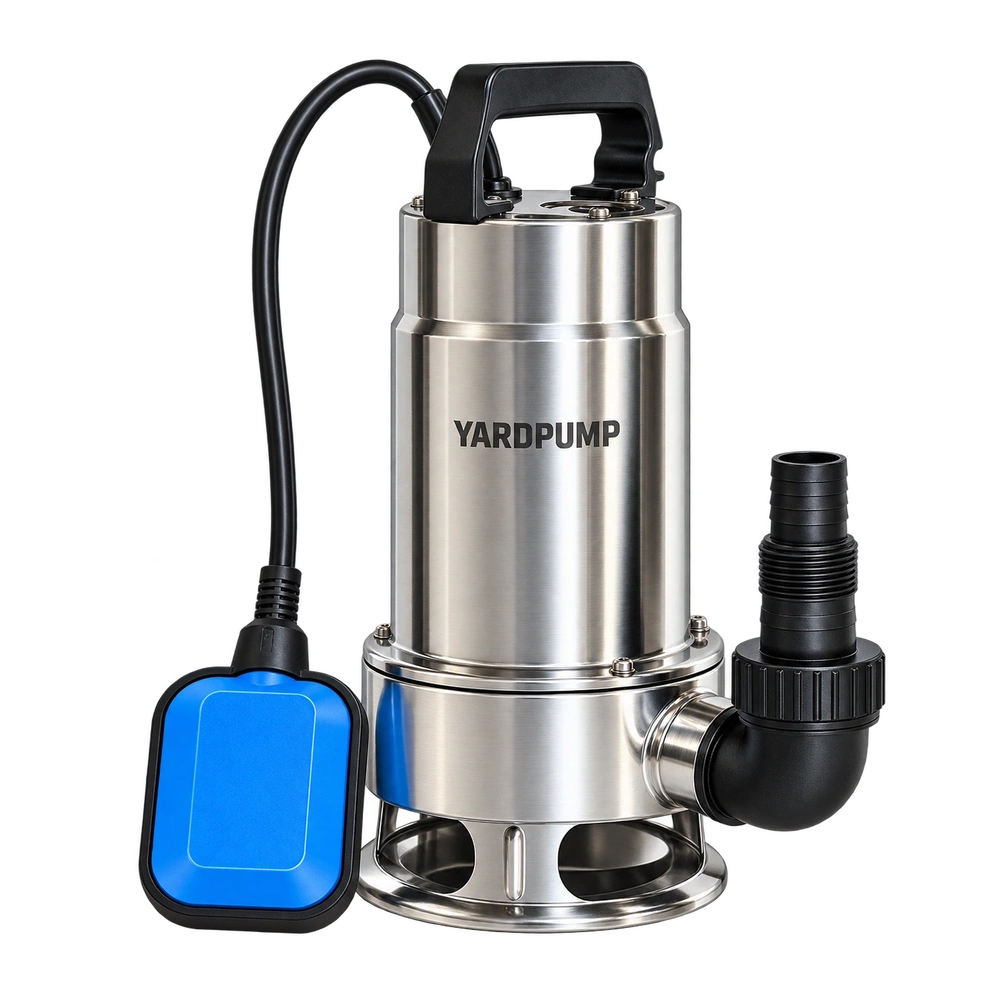
A customer asks whether to cut off a pump plug for a photo after seeing instructions about proof that equipment is out of use. In ordinary warranty handling, tell them to stop using the unit and preserve its condition. Isolate it from a safe place where that can be done. Do not ask them to damage the cord for a photograph. Cutting changes the original evidence and leaves altered electrical equipment for the next person to handle. If a regulator or manufacturer has issued a specific remedy for the exact product, verify the covered model and current notice through the official process. Do not carry its terms over to unrelated warranty cases.
Record what can safely be seen before anything changes
From a dry, safe place, a customer may be able to photograph the pump as found, its identity label, cord entry, plug and visible damage. Link this material to the service ticket and order. If the pump remains submerged, electrical equipment is wet, or it is not safe to approach, ask a qualified person to isolate and assess the site first. Do not ask for another energized video, repeated resetting of protective devices, or a hand in the water to show a symptom. Record what the customer already observed: the water level, hose arrangement, when it stopped and which indication appeared.
Mark a suspect return “do not energize” and keep its accessories linked to the same case. Collect only what is needed to identify the unit and assess the failure; avoid asking for unrelated personal information in pictures. If the cord has already been cut, preserve the condition and the evidence of what changed. Do not reconnect the pieces to make the item easier to demonstrate. A qualified service team can decide which inspections are possible with the identified model and its altered condition.
Separate return for analysis from proof of disposal
If the equipment needs to be examined, arrange the approved means of return or local service intake. Give the receiving team its condition and safe handling requirements. Pumps exposed to contaminated water or leaking material need the applicable handling and packing process, not improvised disassembly or cleaning by a customer. Where the program allows professional local disposal, verify the item identifier, the service or disposal receipt and the custody transfer. Keep “defect confirmed”, “removed from use” and “refund approved” as separate decisions.
For illustration, customer A has stopped using the pump and can still show the original plug and nameplate. An authorized return can preserve the failure evidence. Customer B already cut the cord after reading an unidentified web page. The service team can still collect evidence of identity and the original timeline, but a cut cord does not prove that the motor was defective. Record when the alteration occurred and choose an authorized inspection or disposal route. Neither example promises a warranty outcome. A formal recall or corrective program may have its own official verification procedure, which takes precedence for the products it actually covers.
Give the customer one instruction they can follow
“Stop using the pump. Please do not cut or reconnect the cord or try the power again. If the equipment is in water or you cannot safely reach the power isolation, have a qualified person handle it. When it is safe, send the model label and a photo of the unit as found; we will give you the appropriate return or disposal instructions.” Different utility pump variants have different electrical arrangements and approved service options. A useful warranty script preserves evidence and never asks a customer to recreate a hazardous condition.
Frequently asked questions
Must a customer remove the plug to prove the pump is out of service?
Do not impose plug removal as a general warranty rule. Use the authorized return or disposal procedure. For a specific official recall, verify the applicable notice.
Should a cut cord be reconnected so the service bench can test it?
No. Keep the equipment isolated, document the alteration and let qualified service staff decide how to assess it.
Can a dealer ship a replacement without examining the faulty unit?
That depends on the applicable program, the evidence and the safety condition. Do not request further use of a suspect pump just to fill a gap in the service record.