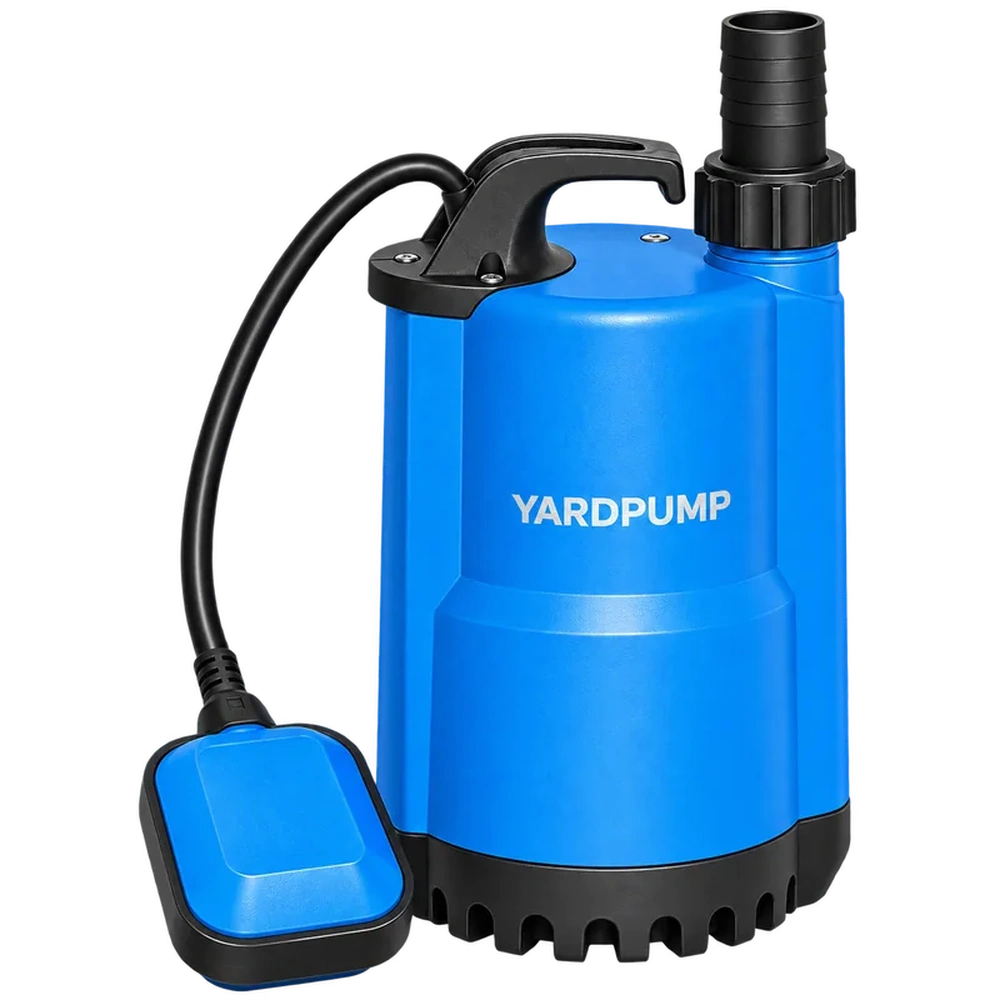
A distributor has already received a replacement pump, yet the same original unit appears in a month-end credit request. Is it a duplicate claim or a separate cost awaiting settlement? Connect the case, original pump, replacement and individual monetary lines before deciding. Similar records can represent different losses, or the same loss twice.
Link events without collapsing them
Original purchase, technical complaint, replacement delivery, return disposition, product credit and freight are related but separate events. One case identity should connect them while preserving their individual states.
A replacement dispatched does not establish that a refund was approved. An accounting entry does not prove the original item was returned. Specific remedies depend on the agreement and applicable requirements; this article does not decide compensation obligations.
The operational question is whether the same loss has been settled twice, and whether separately approved costs have been mistakenly omitted.
Confirm that the records concern the same unit
The same model, date or customer can involve several pumps. Start with original order line, serial or batch information, customer reference and existing case identity.
Where individual serial numbers are unavailable, retain evidence supporting quantity and the proposed relationship. Do not merge claims solely because two photographs look alike. Equally, do not invent precision that the records cannot support.
For a hypothetical case, one replacement is approved while return freight remains pending. The case reappears at month-end with a freight request. That is not necessarily a second product remedy. Separating product value from expenses makes the distinction visible.
| Record | Connect it to | Preserve these states |
|---|---|---|
| Original complaint | Order and equipment identity | Pending or established finding |
| Replacement | Case and new unit identity | Approved, dispatched and received |
| Product credit | Original loss and settlement basis | Pending, issued and applied |
| Additional expense | Related event and evidence | Separate approval and payment |
Approve a defined combination
State whether the remedy is replacement, refund, repair or a combination including specified expenses. If a replacement plan later changes to a refund, explain how the earlier arrangement is adjusted.
The replacement might be returned, purchased separately or handled through another agreed route. Do not leave both remedies marked approved without describing their relationship.
Record goodwill assistance separately from a confirmed-defect finding. Finance should not alter the technical conclusion simply to make a settlement easier. Preserve currency, quantity and offset calculations rather than entering an unexplained total.
Correct duplicates without deleting history
When duplication is suspected, hold the relevant unexecuted settlement decision while checking the facts. Deleting an earlier entry to make the balance look reasonable destroys the explanation.
If duplication is confirmed, retain the cancellation, reversal or correction relationship. If both lines are legitimate, identify their different scopes so they will not be challenged again during the next reconciliation.
An issued credit note and a credit actually applied against a later order are different states. Replacement shipment likewise needs dispatch and receipt evidence. A system can show a case as settled while the customer still lacks the agreed money or equipment.
Give service and finance the same case basis
Periodically reconcile open cases, replacement lists, credits and returned-item status. Investigate amounts with no case, repeated order lines and long-unapplied credits. Define approval and execution responsibilities, including safeguards against importing the same monthly list twice.
A repeated customer reference is a useful flag, not an automatic rejection. The review still needs quantity, equipment identity and cost scope. This keeps duplicate prevention from becoming an excuse to discard valid expenses.
The objective is accurate execution of each approved remedy once, while preserving separately justified charges. It is not to reduce the apparent complaint count by merging unrelated cases.
This article does not allege duplicate YARDPUMP compensation or restrict all orders to one remedy. It explains how a clear identity and transaction chain supports fair, auditable settlement.
Frequently asked questions
Are replacement and expense lines in one case automatically duplicate?
No. Compare their covered losses and approved scope.
Is duplicate checking impossible without a serial number?
No. Use order, quantity, customer reference and other evidence while recording identification limits.
Does issuing a credit mean the customer received a refund?
No. Issuance, payment and application against an order are different execution states.