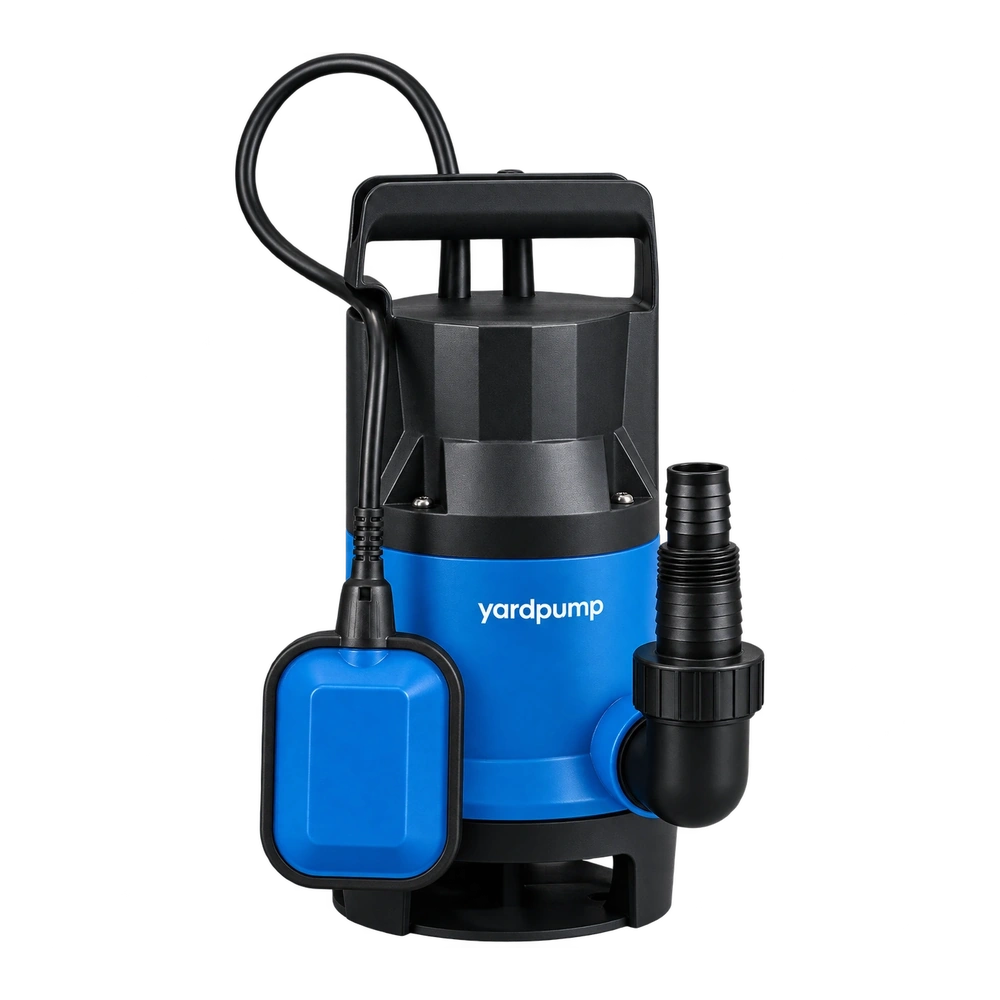
Imagine a dealer sends a submersible pump seal kit. The customer finds it does not fit, opens the bag and returns it, saying it has never been used. Can the warehouse reseal it and put it back into new stock? Establish the part’s original identity, pairing and face protection before deciding. A part that has never run may still have been trial-fitted or contaminated. An intact outer box does not prove that its contents are complete. Keep the customer credit decision separate from the inventory disposition.
Check the identity before separating the evidence
Retain the original carton, pouches, part markings and shipment record. Confirm the part number, revision, compatible pump and kit contents. If a customer opened two kits together, the rotating and stationary faces may have lost their original association. Any mixing has to be supported by the supplier’s approved specification. Similar dimensions or colour do not establish that the faces can be paired. Do not make up a sealed kit from loose pieces when the approved supply calls for an original matched set. Photograph an unreadable number and seek clarification before replacing the label.
Working faces may be protected by caps, dividers or separate pouches. Under the approved inspection, check for chips, particles, residue and handling marks, and look for distortion, moisture or evidence of installation on secondary seals. Protect the faces during inspection. Do not use rough cloth, rub them with a finger, or use an unapproved solvent to make them look new. Some damage is too small to judge by appearance, so a visual pass does not establish original condition.
Let the evidence determine the stock category
For illustration, three boxes from the same order come back. One has an intact original seal and traceable shipment label. The outer box of the second was opened but its individual protected packs are still undisturbed. The third has both working faces loose; the customer says they were only checked for fit. Do not give all three the same disposition just because they appear on one return authorisation. Whether the first two can return to saleable stock depends on the approved conditions and inspection. Hold the third for a decision by the appropriate service team. It may be restricted to an approved purpose or rejected.
Define when a kit can be returned to its supplier, inspected again, kept for training or otherwise restricted. Approved service-use items need their own labels and locations. They should not mix with new stock and lose their history. If previous storage, elastomer life or the original pairing cannot be established, hold the kit instead of applying a fresh seal to the pouch. Do not accept an installed or unidentified secondary seal simply because it looks undamaged.
Change the record and the physical location together
An inventory system can distinguish received pending inspection, verified saleable, restricted service stock and quarantine. Give each status a responsible person and a physical location. Record who inspected the kit, which revision applied, what passed and whether the supplier has to confirm anything. The saleable quantity follows the verified result rather than the date of the refund. Prevent another mistaken pick by separating stock codes or locations where necessary. Use the approved procedure for the actual seal design; this example does not authorise reuse of every type.
Assign separate identifiers if one return contains both saleable and held items. Move them to their designated locations after recording the disposition. If the supplier needs to review them, send the original order reference and photos of the individual protective packaging.
Frequently asked questions
What matters if the customer says the pump never ran?
Find out whether protection was opened, faces were handled, a pairing was separated or the parts were trial-fitted. None requires the pump to run.
Can a new seal sticker restore the original condition?
No. The sticker only identifies later packaging. Decide the actual condition and disposition before resealing.
Can the kit go to a service workshop instead?
Only if the authorised process permits it and the identity, condition and intended use are documented. Otherwise keep it on hold.