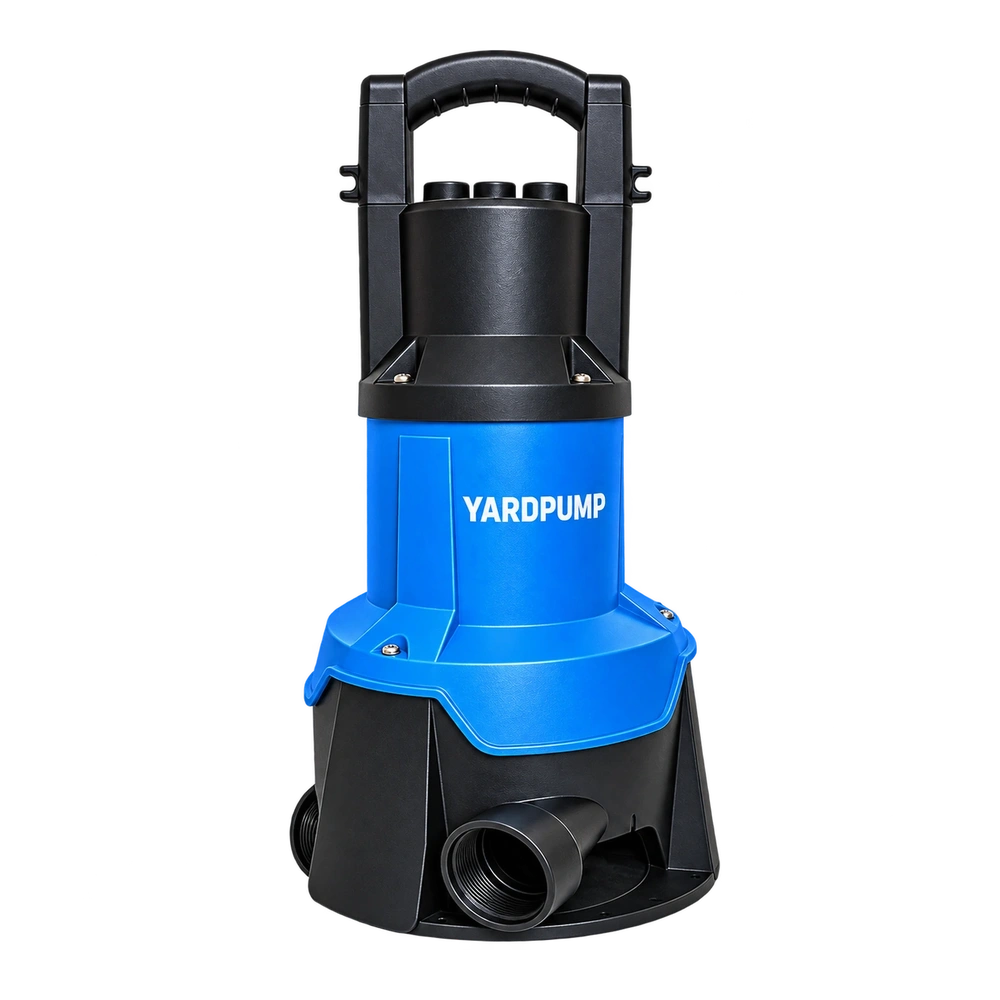
A custom submersible pump works near the coast, is lifted from the water after use, and spends the rest of the day in a ventilated shed. The supplier provides a continuous immersion report. Keep the report, but do not treat it as direct proof for repeated wetting, drying and rinsing. The buyer should describe the real exposure cycle and ask which parts of it the supplier's evidence actually covers.
Repeated drying changes the exposure
As water evaporates from a wet surface, dissolved salts can concentrate locally and leave deposits. Those deposits may dissolve again the next time the surface gets wet. A waterline, a thread, the back of a fastener and the underside of a washer may not see the same sequence as an exposed surface. A test piece kept continuously under liquid misses that sequence. Continuous immersion can have its own oxygen, crevice and compatibility issues. Neither exposure is universally harsher; consider the assembly, liquid and actual conditions.
Describe the liquid composition, temperature, suspended material, wet and dry intervals, storage location and cleaning practice separately. A pump that is only splashed on the outside may still retain liquid inside its hydraulic passages or fittings after it is lifted. Identify the parts that contact water during operation and those that see occasional exterior wetting. A material report for the shaft does not cover seals, fasteners, inserts, coatings or outlet fittings as an assembly.
Write a cycle that both parties can reproduce
In an illustrative order, the pump runs in specified saline water for two hours a day and is stored out of the water for the remaining 22 hours. Inspection takes place after five workdays, and the actual maintenance plan calls for an approved rinse after use. Ten total wet hours across those five days are not the same as one continuous ten-hour soak. Record the liquid conditions in each cycle, how the pump drains, when it is rinsed, and whether deposits remain in inaccessible places. Note the starting condition of the next cycle. If rinsing cannot reliably happen on site, a report with an immediate rinse after every run does not cover that use. The parties could agree a second condition that represents a realistic delay without inventing an acceptance threshold.
State whether the sample is a coupon, a component or an assembled pump. Coupons can help screen a material; the complete assembly can reveal contact, drainage and crevice effects. Take before and after photos at the same places. Record deposits, local pitting, flaking, stiffness and changes in sealing or insulation as appropriate, and agree what triggers closer examination. A deposit that wipes off and loss of metal beneath it should not be recorded as one observation. The total mass of a pump can also miss local damage. Tests involving electricity, pressure or teardown belong with qualified staff following an approved procedure.
Keep the validation decision with the exact order
List continuous immersion evidence, application-cycle validation and day-to-day maintenance requirements separately. Link a tested configuration to actual build records and parts. Do not transfer a result from a custom assembly to a standard variant merely because the model name is similar. If rinsing was necessary to achieve the reported result, put that condition in the supply instructions and check that the distributor can pass it on. The buying decision is whether a particular build suits a real and manageable use cycle. The longest test in hours does not settle it by itself.
Record whether the test liquid is renewed. Concentration, contamination or a changed formulation can make two cycles incomparable even when their wet times match.
Frequently asked questions
Is the stainless shaft grade enough to release the order?
No. It is one input. Crevices, mating metals, seals and the assembled exposure also matter.
Does a salt spray screening test cover the job?
Check the specimen and purpose. A screening result may not represent the actual sequence of wetting, draining and drying.
Can continuous immersion hours be converted into service life?
Not directly. Liquid composition, exposure history and maintenance all influence the outcome, and a test period is not a life guarantee.