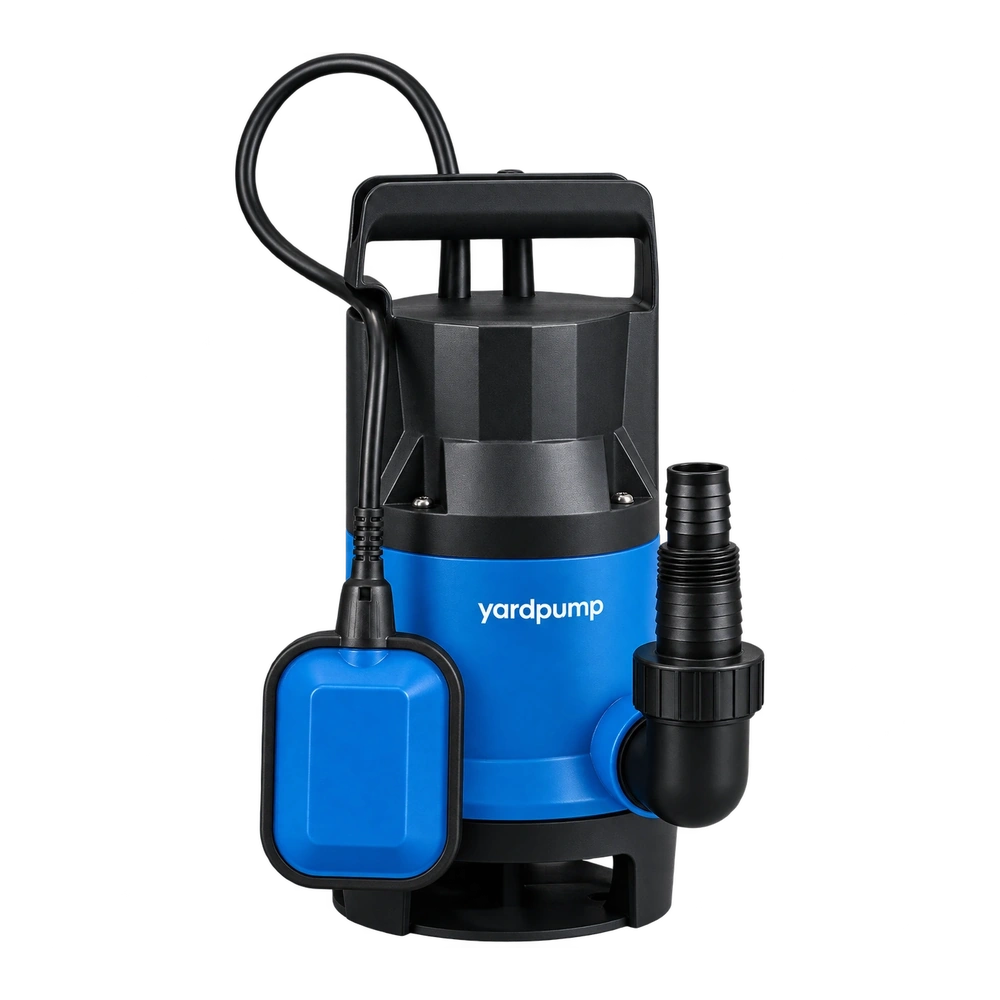
“Single phase, aluminium winding. Can the label say IE2?” That question combines material, efficiency and compliance. Start by identifying what is being classified. Is it a standalone motor, a submersible motor designed to operate wholly immersed, or a motor integrated with a pump that cannot practically be tested separately? Establish the applicable rule and its scope before comparing a result with an efficiency class. Aluminium wire, a wattage on the pump label and water-to-wire efficiency do not establish IE2.
Establish applicability before looking up a limit
IEC 60034-30-1:2025 is an example of a classification standard for single-speed AC motors on sinusoidal supplies within stated rating and operating conditions. Its scope specifies power, voltage, pole count, continuous capability at rated output and environmental ratings. It excludes submersible motors specifically designed to operate wholly immersed in liquid. It also excludes motors completely integrated into driven equipment where a separate test is not practical under the stated criteria. The integration exception has defined conditions. The word “pump” alone does not settle applicability, and being able to remove a stator does not establish that the motor can run and be tested independently.
Being single phase is not enough to assign a class or to establish a blanket exclusion. An importer should separately identify the destination market and the scope and exclusions of its applicable rules. Legal obligations and use of a classification standard are related but different decisions. Do not take a requirement for one category of standalone motor and print it on all submersible pumps. If a supplier relies on another rule, request the edition, the item it applies to and the test boundary. Have appropriate test or compliance personnel assess unclear cases.
Put three types of power in separate columns
Motor electrical input is real power at the defined electrical boundary. Motor output is mechanical shaft power. Pump hydraulic output is the power imparted to the liquid at the measured flow and head. Motor efficiency relates shaft output to motor input. Water-to-wire efficiency includes the hydraulic part of the pump and other losses within its stated boundary. Clarify the label’s input or output convention before making a comparison. Voltage, current and power factor cannot by themselves establish shaft output.
For illustration, a controlled motor test might measure 500 watts of real input and independently establish 370 watts of shaft output, or 74 percent. A separate pump test might record 500 watts of electrical input and 140 watts of hydraulic output, or 28 percent. These are hypothetical readings with different boundaries. The 28 percent cannot classify a motor. Neither does the 74 percent establish a class without scope, rating, applicable limits and test method. Conductor material is not itself an efficiency class. Conductor area, turn length, magnetic circuit, losses and operating conditions matter.
Request evidence that covers the quoted version
Ask for the marked item and label revision, an applicability explanation for the standard or market rule, a traceable test report and a record connecting the production configuration to the test sample. The report should identify the motor, pole count, frequency, rated shaft output, method and cooling conditions. If conductor material or rated conditions change, verify whether the previous evidence covers the new configuration. An engineering estimate used to screen samples is not equivalent to the corresponding efficiency test evidence.
When scope does not apply or evidence is missing, remove the unsupported class from the quotation and packaging. State what can be verified separately, such as real input, the duty point and its measured performance. The objective is to give the importer a claim that can be defended for the product actually supplied.
Frequently asked questions
Can an aluminium version use the report for a copper-wound version of the same model?
The model name is not enough. Check the material and configuration of the test sample, the scope of approval and any verification needed after a change.
Can I classify the motor using hydraulic output divided by input watts?
That is water-to-wire efficiency at the measured conditions. Motor efficiency uses shaft output and motor electrical input.
Does a missing IE class show that a submersible pump is poor?
No. Applicability of a classification and whether a pump meets its agreed hydraulic, electrical and thermal performance are separate questions.