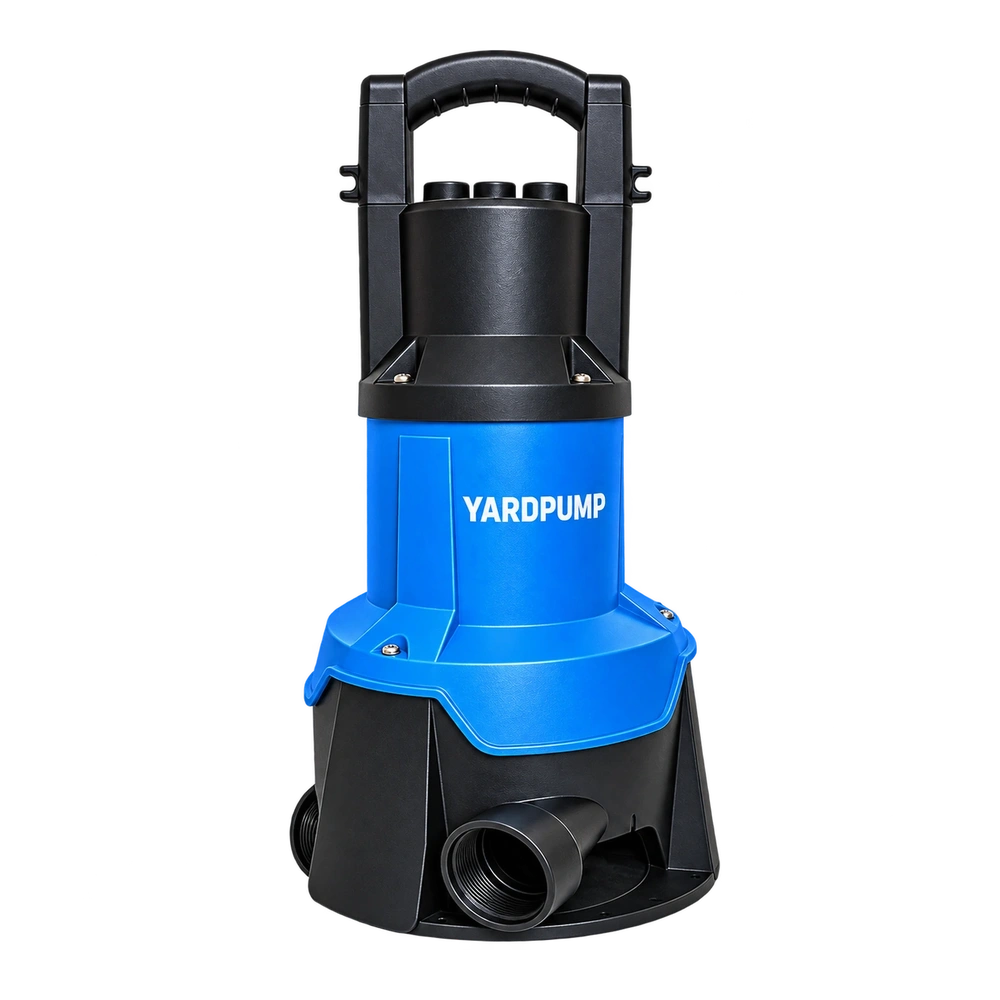
Suppose an order of sump pumps includes a check valve. The supplier shows water flowing forward while the pump runs. The buyer also needs to know how much water can return when the pump stops and whether that could bring the next start forward. Test forward delivery and reverse closure separately. A valve that opens does not establish that it limits return flow in the installed direction, with the actual difference in water levels and piping. Some return water also does not automatically mean that the valve seat leaks.
Water above and below the valve can follow different paths
Water between the valve and pump may drain through the pump or through an approved vent path after shutdown. Continued loss from the pipe above the valve depends on closing behaviour, seat condition, reverse pressure difference and any other connected path. Brief reverse flow during closure, leakage after settling and flow through a bypass are different observations. Some valves have defined leakage conditions. Do not assume every check valve must hold zero leakage indefinitely. Agree on the allowed return volume and observation period with the available sump volume in mind.
Confirm valve model, flow arrow, allowed orientation, connection and actual bore. A valve tested horizontally does not necessarily behave the same way vertically, or vice versa. Hose and fittings affect the duty. The tested arrangement should include the actual valve and connections the buyer receives. A report for a different valve does not verify the accessory in this shipment.
Separate expected drainback from continuing leakage
In an illustrative comparison, one approved setup shows a brief rise in sump level just after shutdown and then settles. Another rises slowly for longer without new inflow. For the first, check the volume below the valve and the closing transient. For the second, check whether the upstream column continues losing water, whether a bypass is present and whether debris is at the seat. This comparison does not establish that every brief return is acceptable. A sump level alone cannot isolate the valve's leakage.
Have qualified staff record discharge before stopping, valve orientation, any safely verified pressure difference, changes in volume or level on each side and the observation interval. Retain an empty or known good comparison and estimate the amount that the plumbing itself can return. A separate valve test requires suitable equipment and the approved method. Do not block lines, remove airlock provisions or loosen connections under pressure. If levels approach an unsafe limit, stop the test and follow the drainage contingency.
Connect the test result to delivery and service
Check markings, direction, revision, instructions and accessories at packout. The wet-test record should give forward delivery, changes after stopping and which interface each criterion covers. If return volume is high, separate ordinary drainage below the valve, valve seat leakage and an installed bypass before changing hardware. Once a valve change resolves the identified issue, verify forward flow and a complete start and stop within allowed conditions. Higher opening resistance can reduce actual delivery. This gives a buyer evidence of whether drainback affects operation rather than only whether the valve passes water.
If the section below the valve was full, estimate how much it can hold from its actual bore and length. Compare that volume with the first return. Include fittings, low spots and how much water was initially present. If the estimate cannot explain a sustained rise, investigate the upper line and other inflows. The volume estimate alone is not an acceptance decision.
Frequently asked questions
Does good forward flow show that the valve seals in reverse?
No. Verify closing separately under the actual orientation, reverse conditions and observation time.
Should any water returning after shutdown lead to a valve replacement?
No. First distinguish drainage below the valve, the closing event, bypass and ongoing leakage. Compare against the agreed criteria.
After fitting a valve with better closure, do I still need to test forward flow?
Yes. A replacement may change opening resistance, delivery and the way the pump cycles.