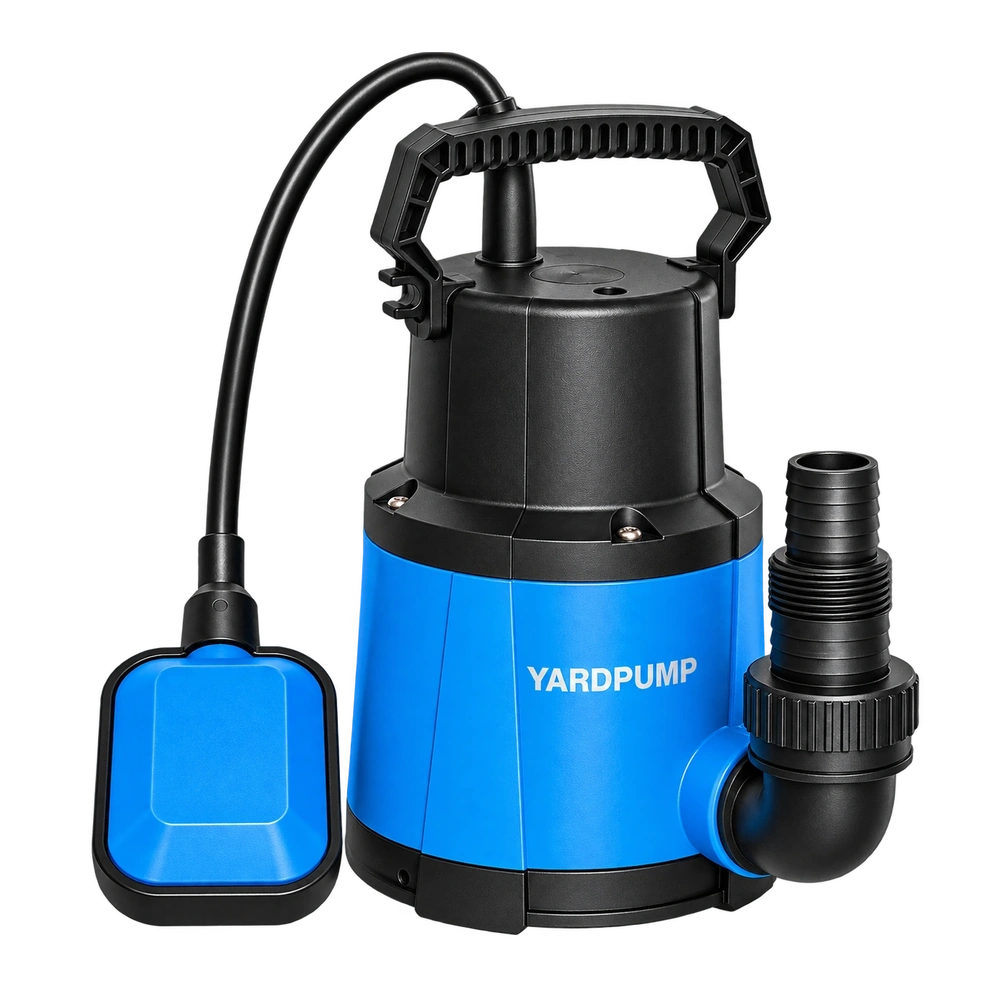
Suppose a distributor is buying automatic drainage pumps and the supplier shows a 100-hour continuous running test. That report can show that the sample ran continuously under its recorded conditions. It does not independently qualify repeated starts in service. Describe the actual duty as a cycle: when the pump starts, how long it runs, how long it rests, how level and head change and how often the controller operates. Record accumulated run hours and successful starts separately.
The same runtime can mean different loads
A continuous run can show temperature and behaviour at a sustained duty and reveal some wear. In an automatic sump, starting may add transient current and mechanical loads. During the pause, the pump cools and can be exposed to return flow or retained pressure. The next start can occur at a different temperature and level. A float, relay or other control also needs to operate through the cycle. A high start count alone does not establish greater durability. Equal run hours do not make continuous and cycling tests interchangeable.
For illustration, a continuous 100-hour test involves one initial start. If another pump runs two minutes and rests four, accumulating 100 running hours takes about 3,000 running intervals and 300 hours overall. If each interval starts from rest, that is also about 3,000 successful starts. These figures explain the counting method. They are not a general target. Use the specific model's permitted starting frequency, cooling conditions and off time, together with the approved test plan.
Specify the conditions for starts and stops
At quote and sample approval, provide expected inflow, usable pit volume, on and off levels, pipe arrangement and operating head. If the application cycles, agree whether the test uses the float or equivalent controller actually shipped. State whether the count records a command or confirms that pumping began. Keeping both makes it possible to spot a command that did not produce a successful start. Define how to record planned interruptions, manual resets and protective trips as well.
Qualified staff should run the test within approved equipment, supply and water-level limits. Do not shorten the off interval beyond the allowed conditions to reach the count sooner, or bypass the float or protection. Record protection events, water delivery, switching levels, return flow and unusual sounds under repeatable conditions. Align duty and acceptance criteria before comparing suppliers. A count achieved under an easy condition cannot be directly ranked against a count at the actual installed head.
Put the events on a common timeline: the water reaches the start level, the controller issues a command, discharge begins, the water falls to the stop level and the motor stops. If the number comes from a bench counter, verify whether it increments at power-on, a control signal or actual delivery. A controller that trips and is manually reset has not completed the same cycle as an ordinary float-operated run. Keep those events distinguishable for the buyer.
Limit the conclusion to what the test covered
The report should distinguish elapsed time, actual run hours, successful and unsuccessful starts, protective operations and performance at the end. Check leakage, control operation, flow and head before and after as the agreement requires. If run hours pass but start count falls short, retain the continuous-run result and complete the approved cycling test. A pump started manually at the supply for most of the run does not demonstrate endurance of the boxed controller. Identify the verified configuration and conditions. Do not turn one sample's test hours into a universal service life.
Frequently asked questions
Is a much faster cycling test automatically more severe?
No. A different pause changes cooling and starting conditions and can exceed the permitted frequency. Set the test for the application and allowed duty.
Is the number of run commands enough?
Also record actual starts and delivery. A command, a successful start and a completed cycle are different outcomes.
Can passing both tests establish years of life?
The two tests alone do not convert to a service-life estimate. State the sample, conditions and verified scope.