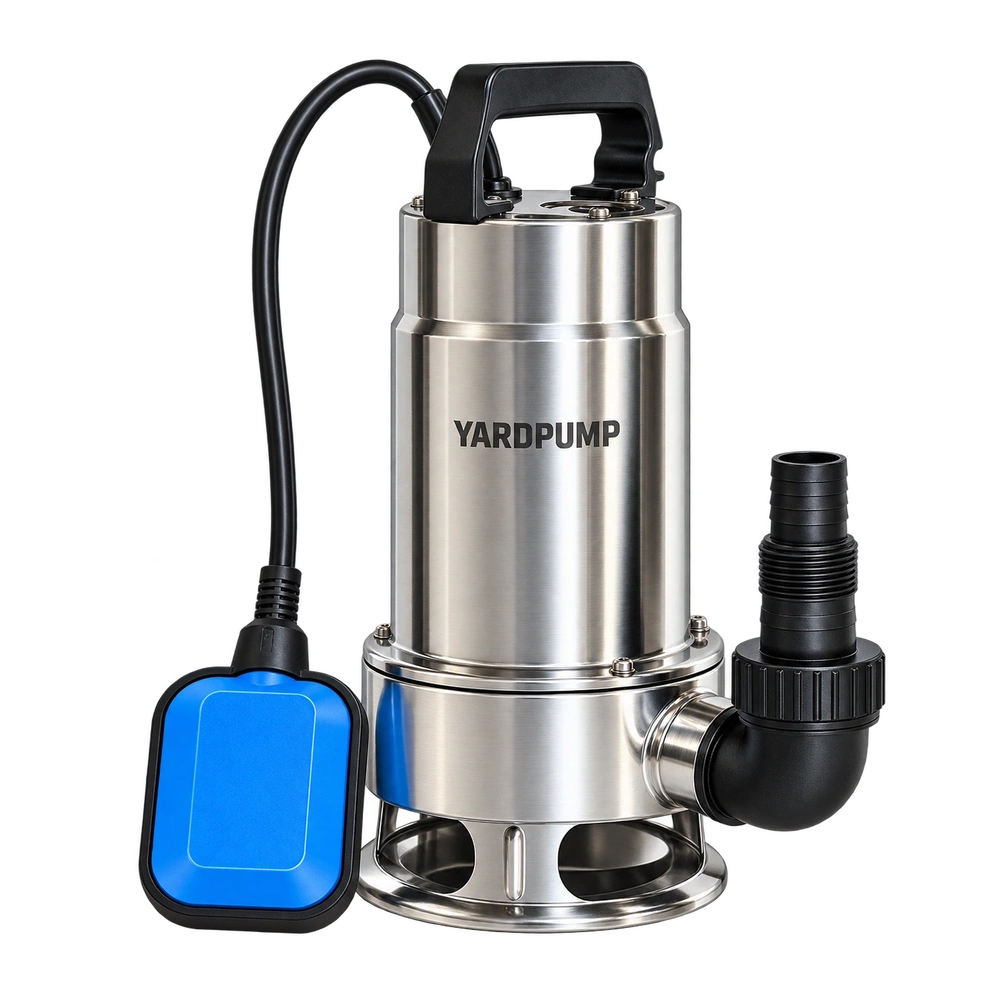
Suppose a compact pump supplier keeps the motor core, winding wire and turn count but proposes a different source of impregnation varnish. The buyer can evaluate the change, but a similar thermal designation on the new datasheet is not enough to approve production. Varnish works with the magnet wire insulation, slot insulation and cure process. Check the combination in the actual winding and operating environment, then decide what sample, motor and documentation checks are needed.
Why one material can affect the winding system
Impregnation can help hold coils in place and work with the original insulation materials. Varnishes with similar stated temperature classes can have different viscosity, penetration, cure requirements or compatibility. Running a new material through the old recipe may leave different voids, hardness or appearance. On a compact submersible motor, a short run in air cannot establish the behaviour at the approved water-cooled duty point.
A different colour does not prove a failure, and a change does not automatically require repeating every product test. Ask for the exact old and new grades, lots, process ranges and any limitations in the approved insulation documentation. Where a particular market or project requires review of system evidence, have the responsible team verify the applicable documents. A component datasheet does not establish approval of the complete pump.
Make the two sample groups comparable
Keep the wire, winding drawing, core stack, assembly and test conditions as comparable as possible. Record the varnish and any associated cure changes as the controlled differences. Link the material lot, preparation, impregnation and cure records to individual samples. Inspect the agreed visible condition and winding restraint. If penetration must be examined internally, use designated witness samples rather than cutting up units intended for the customer.
Use qualified staff and an approved test facility to check duty, electrical input and temperature rise in the assembled pump. Select insulation, humidity or post-cycle checks according to the risks and approved procedure. Comparing housing temperatures at different loads is misleading, and a universal electrical test applied without checking built-in electronics can damage a unit. Record the exact conditions, sample identity and pass rule. Two pumps that both run well on their first cycle can still behave differently after exposure.
What if both pumps deliver water on the first run?
In an illustrative comparison, both groups initially meet the agreed winding resistance, flow and input checks. After a specified humidity cycle, one new-material sample fails the agreed insulation retest. Keep the sample and the process record, and investigate the test and failure evidence. Do not remove the result or use one failed sample to declare the entire material grade unsuitable. Verify the process and measurement first, then follow the agreed rules for a cure change, further validation or keeping the old material.
After approval, lock the allowed grade, process window and effective production lot. Purchasing, production and service should know which configuration applies to each batch. If the factory can switch varnishes at will after validation, the buyer cannot be sure the delivered motor matches the evaluated winding system.
When both the material and its cure change, a simple old-versus-new comparison cannot isolate which change caused a difference. An engineering team can design additional controlled comparisons within the permitted process range. Document combinations that were not tested. If production and sample ovens or loading arrangements differ, check what that means for time and temperature. Identify remaining stock of the old material so the two grades do not become indistinguishable in one production lot.
Frequently asked questions
Why review the other winding materials when the varnish temperature designation is the same?
A single material rating does not establish equivalence with the wire insulation, slot materials and actual cure used in the motor.
Is a clean-water flow test enough after a varnish change?
Flow helps confirm the comparison duty. It does not replace temperature rise and insulation evidence appropriate to the change.
Should a new colour trigger rejection?
It can trigger a grade and process check. Decide acceptance using the approved configuration and corresponding test results.