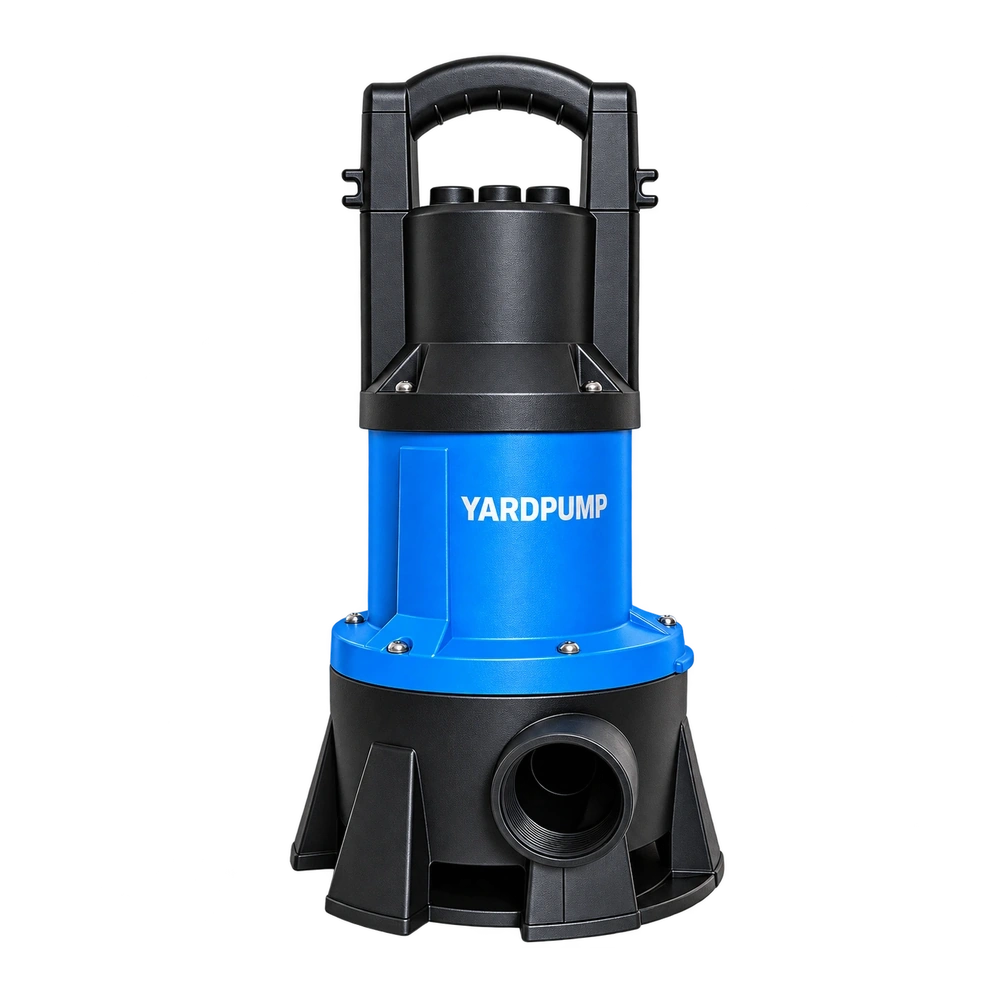
A strong laboratory report may still be followed by production that uses a different configuration. The dispute often begins with who selected the test unit. Before third-party testing, define random selection, photography, serial numbers, tamper seals and handover records so the laboratory specimen can be traced to a production lot and revision. A strip of tape on a carton is not a chain of custody.
What drives the result
The same outer housing can contain different winding, impeller, capacitor, seal, cable and label versions. A special unit built by the supplier proves only that unit. A useful chain records the selection pool and method, appearance and rating plate, visible configuration, seal numbers, handlers, times and transport exceptions. A witnessed retention sample can support later comparison or teardown.
An illustrative way to check
For illustration, select three units randomly from a completed packed lot: one test unit, one backup and one jointly retained unit. Photograph six sides, the rating plate, plug, cable marks and every seal, then record carton and serial numbers. The laboratory checks and photographs seal condition at receipt. Actual quantities follow project risk and laboratory rules.
Translate pump laboratory sample chain of custody into a signed record before the purchase order, not an argument at final inspection. Define sample identity, measurement boundary, instruments and units, stabilisation conditions, decision rule, retest method and disposition of a failure. The record should trace to the exact model, BOM revision and production lot. Photographs can preserve condition but cannot replace numerical evidence. If either party proposes a different acceptance method, document the risk changed by that revision before approving it.
Actions for the site or purchasing team
- Freeze model, ratings, critical BOM and label revision before selection.
- Have the buyer or an independent witness select from a defined lot; reject unexplained purpose-built samples.
- Apply uniquely numbered tamper seals across every access point and create a photographic checklist and handover form.
- Both shipper and receiver record date, handlers, carton damage, seal condition and discrepancies.
- Bind the sample ID, BOM revision, test scope and claimed production coverage in the final record.
Limits and application boundary
Regulatory certification sampling follows the applicable scheme and authorised body's procedure. A commercial chain-of-custody process does not replace statutory sampling.
Frequently asked questions
Is a supplier serial number enough? No. The record must show the lot, selector and selection method.
Why retain a witnessed unit? It provides a same-lot comparator if results or production identity are disputed.
Can testing proceed with a broken seal? Record the exception first, then follow the agreed reject, resample or conditional-accept procedure.
Related reading
How Should Pump Performance Be Sampled Across a Production Lot?
Your Golden Sample Passed. Will Production Match It? A Pump OEM Buyer’s Revision-Control Checklist