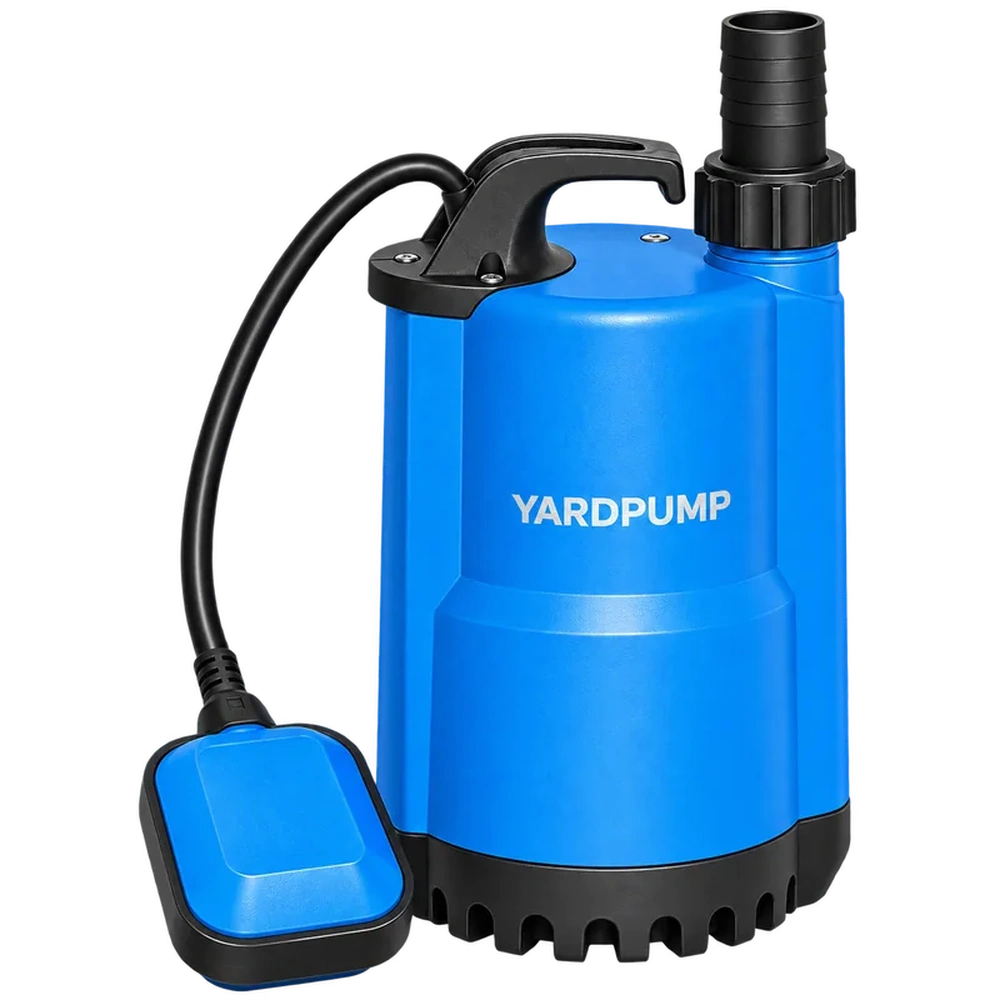
Suppose a returned submersible pump contains water in the motor cavity, with moisture at the terminals and in a lower chamber as well. Does that prove the mechanical seal leaked? No. The location where water was found and the first entry path are separate findings. Return shipping orientation, water crossing a joint during disassembly or washing before return can change the evidence. Preserve the as-received unit, document compartments in order and use controlled comparison samples to test plausible routes.
Build a timeline before opening the pump
Record serial number, installed orientation, packing orientation after removal, any washing or drying, and when the symptom began. Do not energize the pump to hear whether it runs. Qualified personnel should follow electrical isolation, verified de-energization and stored-energy procedures for examination or any later authorized test. If the pump handled contaminated liquid, the receiving team needs the applicable handling procedure. Cleaning may be required for safety. Document what evidence that treatment makes unavailable.
Before opening each compartment, photograph orientation, interfaces and fastener condition. Identify adjacent spaces from the construction and log wet or dry areas, residue and possible directions of travel. Prevent external water from spilling into the next chamber while it is opened. If liquid crosses a surface during dismantling, record that event and its position immediately. Cable conductors, gland edges, casing joints and the shaft-seal side are different candidate routes. A wet region does not automatically locate the entry.
Turn each proposed path into a testable claim
Suppose an example return shows wetness at the cable entrance, while a separately opened oil chamber shows no evidence of water under the agreed inspection. The cable path merits priority. Check whether water could have moved along an outside surface, what a previous repair changed and how small a quantity the oil examination would detect. If another return shows water in the oil chamber first and a dry cable zone, it warrants a different test sequence. Do not apply one conclusion to both.
Keep the original unit and seals for examination. Use a representative unit of the same version for controlled comparisons. Isolate or alter one candidate path at a time using approved methods, and record pressure direction, temperature, whether the shaft rotates and whether the result repeats. If a path is not reproduced, state the conditions rather than calling it impossible. Dye, overpressure or a new running test can change evidence; do not use them on the original before documenting it. The final report should separate observations, causes supported by them and causes still open. A customer remedy can proceed while the technical investigation remains unresolved.
Record inversion during shipping or a cut cord separately because either can change evidence of location or conductor paths. Water at a cable end does not by itself establish flow from outside down the strands. It may have come from an already wet chamber in the opposite direction. Combine sequence, interface condition and controlled reproduction rather than treating a wet wire as directional proof. For several returns, assign separate identities before grouping symptoms. Compare build revisions and traces to decide whether one follow-up test actually covers them. That allows a group of wet units to become an interpretable set of records while avoiding unsupported attribution to either installation or manufacture. Keep the disposition of each part clear so an evidence assembly cannot return to sale stock as a repaired unit.
Frequently asked questions
The motor cavity holds most of the water. Must it have entered at the top cover?
Not necessarily. Pooling depends on orientation. Compare interface evidence and the teardown sequence.
Can we investigate a return that has already been washed?
Yes. Preserve its current condition, original photographs and variant information and use a separate sample for tests. State that original traces may be lost.
Does a passing static leak check eliminate the shaft seal?
It does not rule out a path that appears only in operation. Compare pressure direction, rotation and temperature.