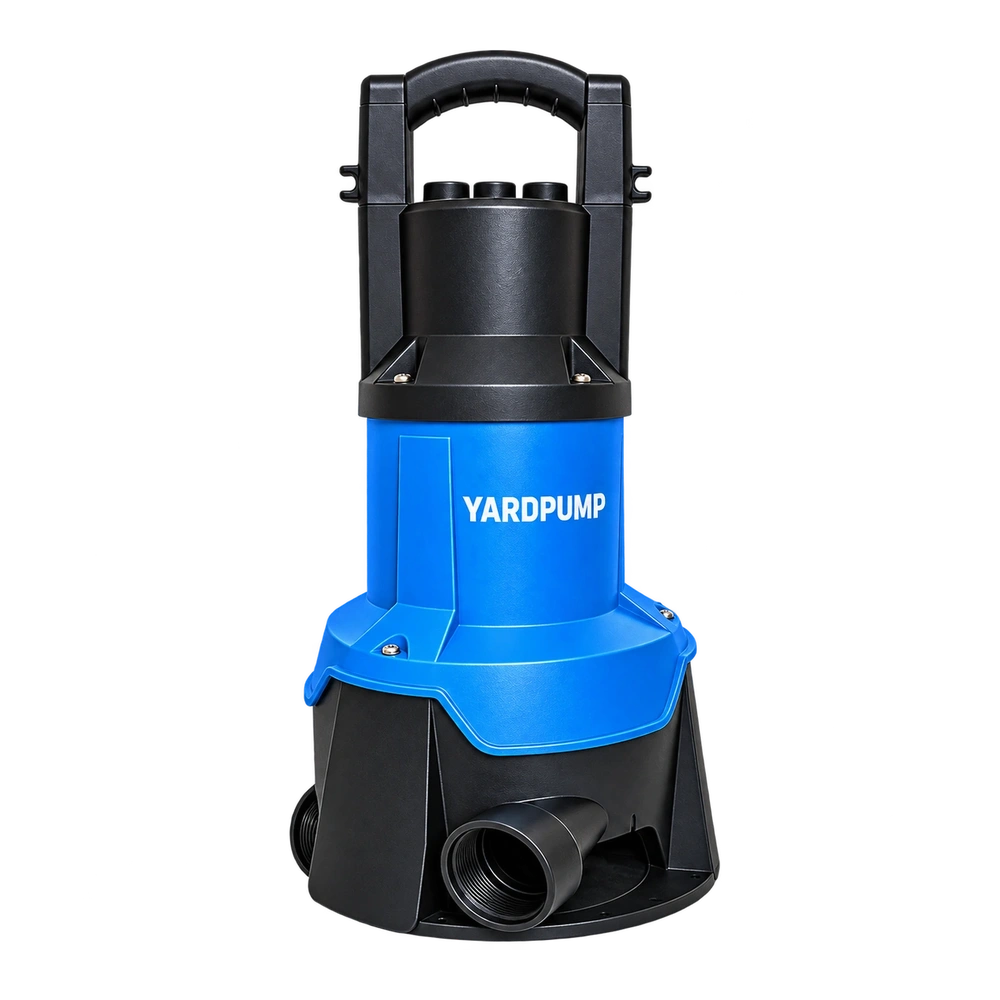
A pump inspection finds water inside the motor chamber, but no obvious break in the cable jacket. The cable-entry circumference is not the only possible route. In some constructions, water enters at a remote damaged section or wet termination and travels longitudinally through conductor strands or internal spaces. Investigate both the entry into the cable and the route toward the equipment.
Radial sealing and longitudinal blocking differ
A compression entry may seal primarily between the outer sheath and its sealing element. Tightening that interface further does not necessarily stop water already inside the cable.
Spaces among stranded conductors, insulation and fillers can provide capillary or pressure-driven routes under suitable conditions. How readily water travels depends on construction, wetting, pressure, duration and any blocking features.
Do not claim that every cable behaves identically. Jacket water resistance, suitability for the specified immersion and longitudinal water blocking are different requirements. A general waterproof description does not establish all three.
Inspect terminations beyond the pump
Include the supply-end connection, connectors, junction boxes, joints and the cable route. Water in a remote box, an unapproved underwater splice or a local sheath injury can create an entry point away from the pump body.
Focusing only on the gland at the pump may miss the origin. Equally, an intact-looking sheath is not evidence that every termination remained dry.
Do not ask users to immerse exposed cable ends to reproduce the symptom. Suspected ingress or electrical leakage requires power isolation, prevention of automatic restart and competent inspection. Any reproduction test belongs in a dedicated controlled arrangement with defined pressure, duration, termination preparation and electrical safeguards.
Preserve evidence along the route
Before cutting, record cable orientation, wet marks, corrosion and the identity of each section. Keep cut sections identifiable rather than mixing them in a tray.
The wettest location is not necessarily the first entry point. Gravity and later handling can redistribute water. Reduced motor insulation resistance establishes an electrical condition, not the precise physical route by which moisture arrived.
Consider an illustrative finding: a remote junction box shows water marks, the pump-side circumferential seal appears intact, and moisture is visible near the conductors. That supports further investigation of a longitudinal path, but cleaning, dismantling and transport contamination still need consideration.
Neither a few droplets nor an intact jacket should be used alone to allocate responsibility. Connect observations into a continuous, plausible path and identify any gaps in the evidence.
Control both ends in the corrective action
If remote connection protection is the problem, correct the enclosure, joining method and routing. Upgrading only the pump-side seal may leave the source unchanged.
Where longitudinal blocking is required, specify a suitable cable construction or validated internal blocking arrangement. Blocking materials must also suit insulation, flexing, temperature and material compatibility. Filling a cavity with arbitrary adhesive can create new problems without closing every passage.
A new cable supplier can provide the same outside diameter but different internal spaces or blocking behaviour. Qualification should therefore identify the complete boundary: which section may be immersed, how ends are protected, whether joints are allowed and what test condition applies.
Verify the repaired assembly
Complete the electrical-safety, sealing and relevant functional checks required for the particular equipment. Drying visible conductors or removing a short section does not prove that the entire path and any contamination have been eliminated.
Corrosion can extend beyond the visibly wet region. Record what was actually replaced or changed and the conditions of retesting so distributors can correct the installation where necessary and recognise recurrence.
Define whether a blocking test observes water arrival, migration distance or electrical performance after exposure. These outcomes are related but different. A short specimen cannot automatically qualify every length and termination. State specimen preparation clearly: intentionally immersing an end designed to remain protected may evaluate a different boundary from the approved installation.
Questions about cable water migration
Will tighter gland compression solve it?
Not necessarily, and excess tightening can damage the sheath. Identify the route and follow the approved assembly requirements.
Does an intact jacket rule out cable ingress?
No. Terminations and internal routes still need assessment, but that alone does not prove a cable cause either.
Is adhesive at the end enough?
Only an appropriate validated arrangement can establish performance. Improvised sealing may leave passages or introduce electrical and mechanical problems.