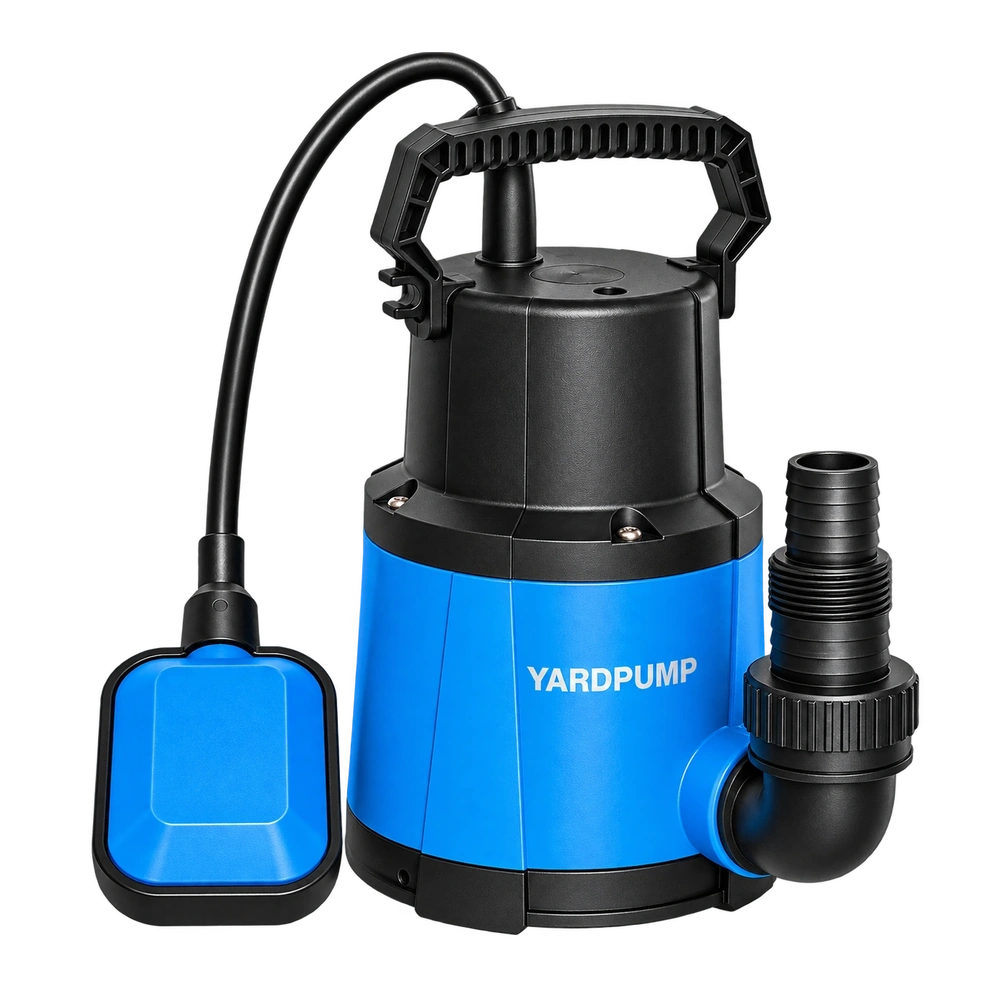
Imagine rain has been falling for an hour. Water is still coming in along a basement wall, but the sump is low and the pump has only run occasionally. Should you fit a larger pump? First establish whether the water you see is reaching the collection system. A pump can remove only the water that arrives at its basin. If a perimeter drain does not lead there, water enters higher on the wall, or the floor runoff misses the inlet, more pump capacity does not solve the capture problem.
Put the wet spot, basin and outlet on the same timeline
From a dry, safe location, note where the first moisture appears: higher on the wall, at the wall-floor joint, through a floor crack or below a door. Write down when it appears relative to rain, roof runoff and nearby water use. The final puddle may be some distance from the source because water moves along the floor. If moisture is near outlets, wiring or electrical panels, stay out of the wet area and have qualified personnel address the electrical hazard first.
Where there is a safe approved observation point, record the sump level and the start and stop times. A single low level may be a snapshot taken just after a successful pump run. During the same rainfall, look for whether the wet patch grows, whether the sump rises and whether the pump is holding it low. If the discharge end can be observed safely, record its behaviour too. Do not remove a load-bearing, sealed or wired cover simply to get a better view.
Three patterns send the investigation in different directions
If the wall gets wet while the sump level stays almost unchanged and there is no evidence that the pump ran, ask the building maintenance team to investigate the path to the basin. A disconnected collection line, an entry above the drainage system or another water source may produce that pattern. The pattern does not identify which section is blocked. If the sump rises during inflow and the running pump cannot draw it down, check installed delivery, drainback and the receiving discharge. If the pump lowers the sump but the wall-floor water persists, both problems can exist. The pump may remove the portion that reaches the basin while another path feeds the wet area.
For illustration, take two separate observations. In the first, a wet line along a wall grows from one metre to two during the first fifteen minutes of rain. The pit level hardly changes within the resolution of the observation, and the pump does not start. In the second, maintenance personnel add a controlled amount of water under approved test conditions, and the pump starts and clears it. The second observation shows the tested control and discharge route can work at that condition. It says little about peak rain capacity. Together, the observations make the route by which water reaches the pit a useful next check.
Choose the remedy after identifying the limiting step
If water reaches the basin and delivery is too low at the installed head, use the real pipe route, inflow and operating time when comparing pumps. Preserve any alarm, backup and safe discharge needed for that installation. If water bypasses the basin, have suitable personnel investigate outside grading, roof drainage, perimeter drains and interior collection points. Do not drill through a wall-floor joint, add water to an unknown line or block a drain to see what happens. Structural, sanitary and electrical conditions may not be visible.
A useful service record answers two questions separately: where water entered and whether the portion that arrived at the sump was discharged. That distinction prevents replacing a working pump to solve a collection defect, and prevents blaming building drainage when a basin truly cannot keep up.
Frequently asked questions
Does an empty sump prove the perimeter drain is blocked?
No. Water could be entering through another path, or the pump could have just finished a cycle. Check the conditions together over time.
Does a successful clean-water test prove the pump is ready for heavy rain?
It proves operation only for the tested conditions. Peak inflow and the actual outlet conditions still need to be checked.
Can I plug in a temporary pump in the wet area to test it?
Do not handle plugs or power in the wet area. Have qualified personnel deal with the electrical risk and decide what can be safely tested.