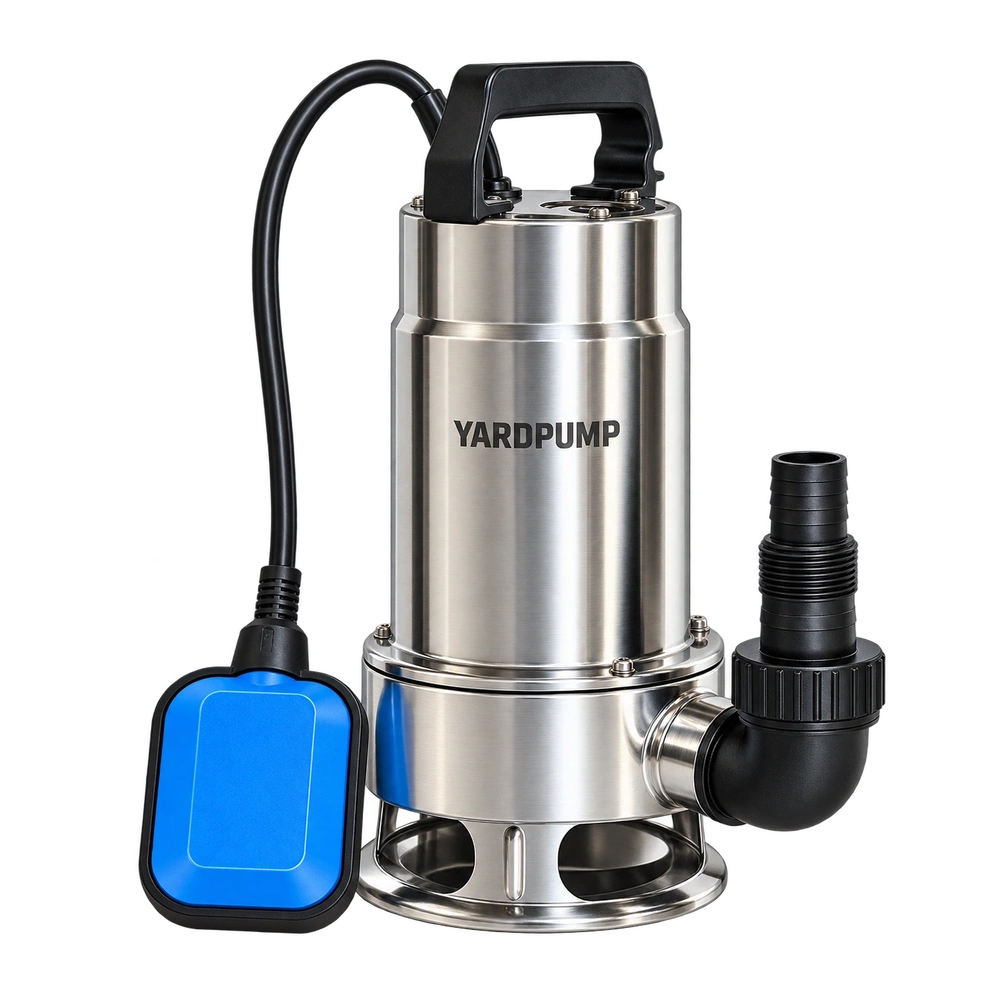
Suppose roof water feeds a rain barrel, and a small automatic clear-water pump moves water into another container before the barrel fills. The level stays low in light rain but water escapes at the lid during a downpour. A pump can reduce stored water, but should not be the only overflow provision. Compare how quickly the roof fills the barrel, how much room is left, what the installed pump can deliver and where the water can go if the pump or receiving tank is unavailable.
A short burst can fill the barrel
The same daily rainfall can arrive in a short burst or over several hours. The difference matters for overflow. Identify the roof area feeding that downspout, and check for a diverter, first-flush arrangement or other inflow. One millimetre of rain over one square metre represents one litre before losses or diversion. The fraction reaching the barrel depends on the roof and collection system. A worked estimate is not a substitute for applicable design rainfall and drainage requirements.
Next, check the space that is actually free. Use the volume between the starting water level and the intended overflow level, not the capacity on the carton. Sediment and the pump's allowed stop level can affect the usable amount below. A pump selected to remove a shallow final layer and one selected to operate automatically in a fixed system are different decisions. Leave access to inspect the intake and overflow before storm season.
Check installed flow and the next destination
Read the curve or measure the flow with the actual hose, lift and outlet. Maximum flow on its own does not establish delivery through a long line and filter. If the pump transfers to a second tank, check its spare volume and overflow route too. When a fill valve at that tank closes, what happens at the first barrel? Review the positions of both levels, potential return paths and whether a screen or outlet can block with debris. A test performed with the receiving tank empty does not cover the case where it is already full.
An illustrative roof and barrel
Take an example roof area of 40 square metres, short rainfall intensity of 30 millimetres an hour and an assumed capture fraction of 0.8. Inflow is about 960 litres an hour, or 16 litres a minute. If the installed pump delivers a steady 12 litres a minute, the barrel still gains about four litres a minute. Eighty litres of spare space would last about 20 minutes. During a power loss with no other outflow, that same space would last about five minutes. These are assumed steady rates, not a storm forecast, a guaranteed response time or data for a particular product.
Give excess water a suitable route
Provide an overflow arrangement with a safe receiving point consistent with the installation and applicable local requirements. Do not test by deliberately letting water spill toward a building, neighbour or electrical equipment. A qualified installer can verify that the overflow is clear under a controlled fill, that the pump follows the intended cycle and that a full receiving tank does not defeat the overflow. Record which path remains available without power. That is more useful than a promise that the barrel will never fill.
Leaving more space before rain can extend the buffer, but it also reduces water saved for gardening. Decide how much water to retain for regular use and where overflow can safely go before selecting the pump start level. After rain, look from a safe position to see whether water escaped at the lid, a fitting or the second container.
Frequently asked questions
Can a larger pump replace the overflow route?
Do not rely on it for that. Discharge capacity still depends on power, the line and the receiving point. Excess water needs an appropriate independent route.
Can I count the full 500-litre carton capacity as storm storage?
Only the empty space below the allowed overflow level is available at the start of the storm.
The pump runs after rain stops. Is it undersized?
Not necessarily. It can be moving water that accumulated earlier. Check the peak water level and receiving capacity during the event.