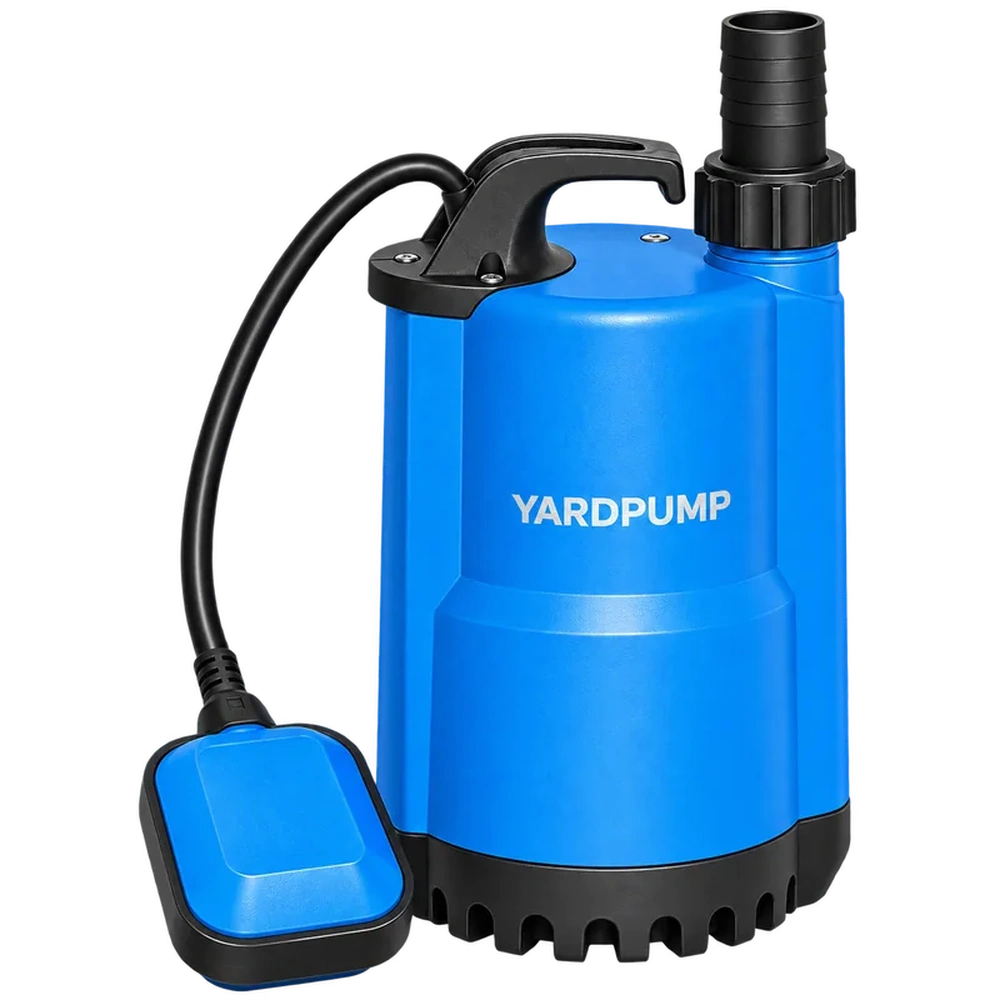
Picture a submersible pump transferring rainwater from a ground tank to a higher storage tank. During commissioning the overflow starts running, just as expected. A few minutes later, water appears around the lid. Compare the greatest actual inflow with the flow the overflow can carry at a permitted water level. Visible water in the overflow proves that the path has started to drain. The tank level keeps rising if inflow still exceeds outflow.
Gravity overflow capacity changes with level
When water just reaches the outlet, there is little head to drive gravity flow. Some arrangements carry more as the level rises, but reaching a balance only at the lid is already too late. Bends, deposits, flat runs and a submerged discharge can reduce what is available. A shared downpipe tested in dry weather may not provide the same outlet conditions during rain. The outside diameter of the tank overflow and the pump connection are therefore poor substitutes for an installed capacity check.
The transfer pump can deliver more when the source is full and the lift is smaller. Valve position, hose choice and other simultaneous inlets also affect what the upper tank receives. Record the source and destination levels, the delivery line and the condition of the overflow outlet. Establish whether another inlet can be on at the same time. Comparing a catalogue maximum flow to a nominal gravity pipe diameter puts two unlike conditions on the same worksheet.
Estimate the time margin
For illustration, suppose the transfer line delivers 55 litres per minute. At the highest level allowed for the check, the overflow passes 35 litres per minute under those outlet conditions. With no other inflow or draw, the tank gains 20 litres a minute. If there are 40 litres between that level and spill at the lid, the simple estimate is two minutes if both flows remain constant. Real overflow flow may change as the water rises. The estimate shows how quickly a reserve could be consumed; it is not an invitation to run the tank until it spills.
Set normal shutdown below the permitted high level. Allow for detection and actuator delays and water still entering from the line after shutdown. An alarm brings attention to a fault. Whether it also stops inflow depends on the control design. If overflow could damage a building or equipment, have an appropriate professional verify an independent way to stop inflow and a safe overflow path. Restricting actual inflow, separating drains or providing more designed discharge capacity are choices to evaluate. Sealing the lid tighter does not create that capacity.
Verify with a controlled trend
Begin from a safe lower level and use a qualified person and an agreed test procedure to observe actual inflow and the level trend. If the overflow is carrying water and the level continues to climb, stop the test and investigate. Check protection by an approved simulation or a controlled test within the safe range. Do not bridge a safety device, block the overflow or let the water reach a dangerous level. Keep a record of source and receiving levels, enabled inlets, discharge condition and the highest level after the pump stops.
This reasoning applies to vented, unpressurized storage with a known discharge path. A sealed receiver, a connection to drinking water, a potential backflow path or building waterproofing constraints require their own design review. A capacity result also belongs to the outlet conditions tested. If a screen or downstream route changes, it is worth checking it again before relying on the same reserve.
Frequently asked questions
Why measure if the overflow is larger than the inlet?
The inlet is driven by the pump; the outlet depends on gravity head and downstream conditions. Size alone does not tell you how much they deliver.
Does a high-level alarm solve it?
It provides notification. Whether to require an independent inflow cutoff depends on the consequences of flooding and the site's ability to respond.
How should I count flow after shutdown?
Record how much enters between pump stop and no inflow. Distinguish pipe drainback from siphoning, and reserve room above the stop setting for the verified amount.