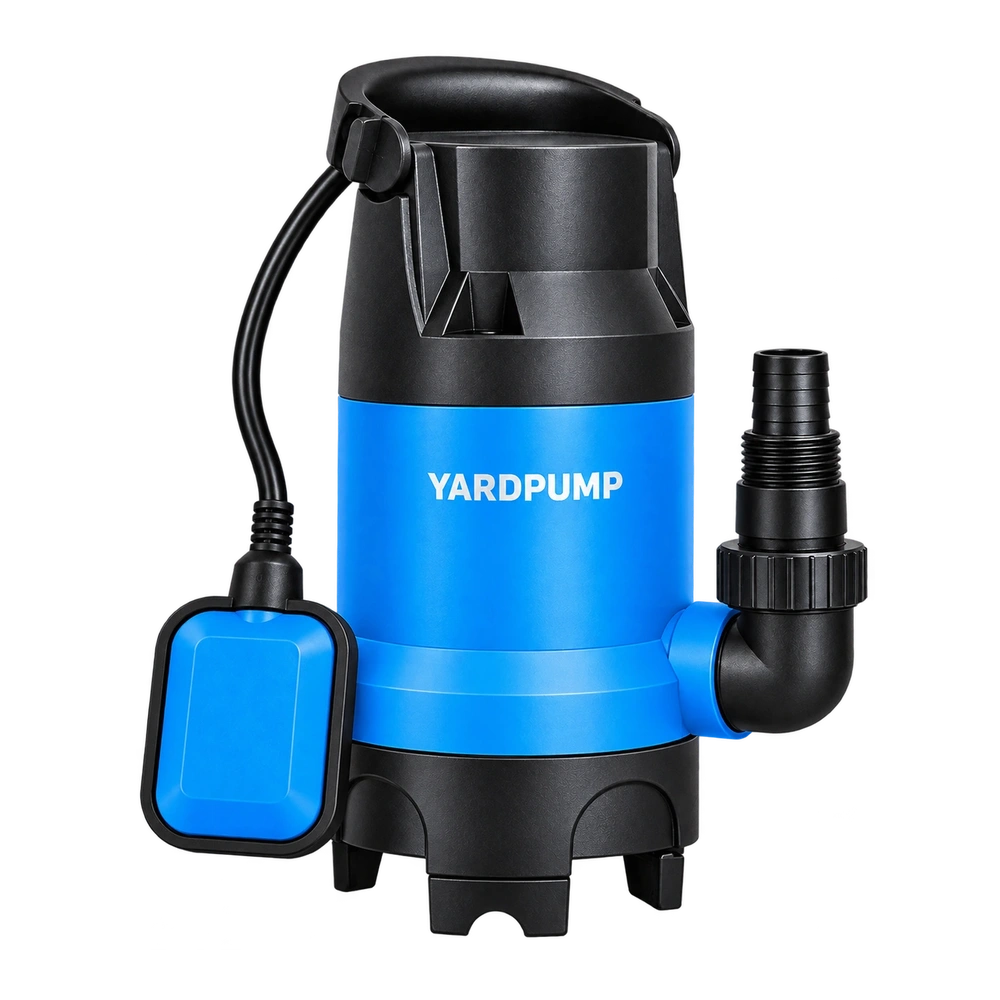
A pump moves water well through a straight hose. Lay the same hose in a tight coil beside the pit and the flow falls. If the length, lift and outlet fittings stayed the same, look for a bend that flattened or for an extra rise introduced when the hose was rearranged.
Check the coil when it fills with water
Water loses pressure along every metre of hose, and a flattened section reduces area far more than its outside appearance suggests. Reinforcement, temperature and ageing affect how readily the wall collapses at a bend.
A lay-flat hose can open on a broad turn and still fold back on itself next to an adapter. Inspect the first bend at the pump and any place the line crosses a threshold. A turn that looks acceptable before startup can close when the rest of the hose pulls on it. A kink often leaves a crease you can see after the pump has been stopped and the line safely drained.
A loose coil can also sit higher than the straight line it replaced. Draw the elevations and compare routes at the same water level. High points can prolong filling if they collect air, while a badly flattened bend can keep reducing delivery after all the air has cleared.
Separate hose length from a flattened bend
For example, changing from 9 to 15 L/min after straightening identifies the route as influential, but the six-litre difference is not a universal kink-loss value.
For a useful field comparison, start with the full hose at broad radii and measure timed volume at the same discharge elevation. Then compare the intended compact layout without intentionally restricting the pump beyond its allowed range. If one turn repeatedly deforms, re-route that turn and measure again. Use a reference hose of the same effective bore if you suspect permanent damage.
The best short layout still has to carry water to the designated drain. Keep enough hose to route around sharp edges and foot traffic. Choose the bend radius from the hose manufacturer’s guidance, allowing for the temperature and pressure of service. For a pressurised line that bulges, leaks or shows reinforcement damage, stop and replace it by the approved method.
Make the route easy to reproduce
Use only the required hose length where practical, store surplus without tight bends and replace hose that no longer retains its approved shape or pressure capability.
Support the hose at the pump so the first bend is gentle. Use a secure guide at a curb or wall opening to keep the hose round and the end directed safely. Photograph the layout while it is delivering water and note the flow and source level. A spare hose can then be installed to the same path without rediscovering the spot where it folds.
Frequently asked questions
Will a wide coil reduce flow automatically?
A wide coil can add modest bend loss. Its actual effect depends on length, bore, bend geometry and flow. Check whether the cross-section stays open.
Why did changing to a shorter hose help even after I straightened the old one?
Reducing length removes along-the-hose friction. Compare the actual bores and end fittings as well, since a different hose can change all three.
Should I tape a kink open and keep using the hose?
Restore the approved routing and inspect the affected part with the line out of service. Replace a hose that remains creased or has lost its pressure integrity.