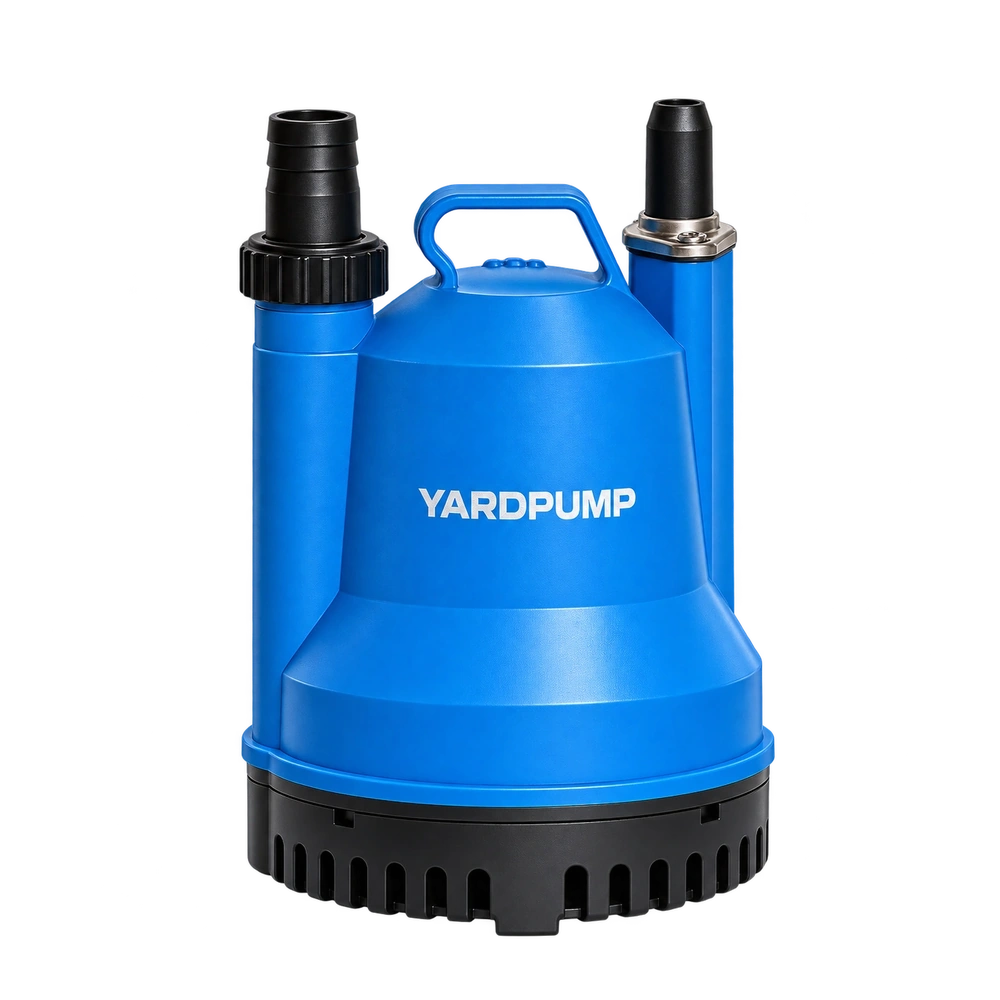
A clean-and-dirty-water pump empties the first part of a muddy excavation steadily. After a while, there is plenty of water above the intake but barely any water is leaving the surface of the discharge filter bag. Check the bag before buying a bigger pump. A bag on the pressure side collects sediment as intended; the accumulated material can make that same bag increasingly difficult to push water through. Increasing pump power without checking the bag and its approved loading can damage the treatment setup.
Why a bag can slow a pump that was working
In a centrifugal pump installation the steady flow settles where the pump can supply the head required by the system. That requirement includes the rise from the water surface to the discharge, losses along the hose and fittings, and the difference in pressure across a discharge bag at that flow. A partially loaded bag is a different hydraulic load from a clean bag. As pores become obstructed by fines, a larger pressure difference may be required to pass the same water. The pump moves to a lower flow on its curve. A running motor is entirely consistent with that loss.
Check that the bag is actually on the discharge side. An intake screen that is matting over or running close to the water surface is a separate problem. It can pull air, give an intermittent discharge and lose delivery even when a new bag is fitted. Both restrictions can exist at once, especially if the pump is sitting directly in soft deposits. Record what changes first rather than assuming every slow drain has one cause.
The bag is part of the treatment system. It does not make a pump rated for certain suspended solids suitable for abrasive slurry or for an unknown liquid. Water leaving a bag may still carry fines or dissolved contaminants. The authorized discharge location, treatment requirements and any permitted test method come from the job’s drainage plan. Clarity alone does not decide where water can go.
Make a controlled comparison
Before changing hoses or handling the bag, isolate the pump from a dry, safe point, wait for any pressure to relieve as instructed and keep clear of the discharge. A bag that is leaking at the seam, expanding abnormally or delivering solids around the inlet cuff calls for a stop and inspection. Do not squeeze, pierce or open it to gain flow. Use the manufacturer’s handling procedure for a filled bag; retained water and sediment can make it much heavier than it looks.
Record the supply level, the outlet elevation, the route and inside diameter of the hose, the bag size or part code, and where it is supported. If the treatment plan and bag manufacturer allow a comparison, fit a fresh approved bag with the same hose and outlet route. Compare two stable periods at similar source levels, before rainfall or inflow changes. In a controlled tank, a known drop in water volume over time gives a usable comparison; on a changing site, a suitable meter or a safely contained measurement under the site plan may be needed. Never discharge untreated water merely to establish a reference.
If recovery is immediate with the replacement and the old bag was visibly loaded, update the bag change plan. If there is little change, check the empty and isolated hose for a kink, a blocked adapter or a damaged section; review pump intake submergence and the actual lift. If either bag loads very fast, ask the treatment designer whether settling, a different bag area or staged treatment is appropriate. A finer bag is not always the sensible next step.
Use the comparison to set your next job up
In an illustrative controlled comparison with no incoming water, a 90-litre drop in 3 minutes is 30 L/min. With the old bag, the same 90 litres in 6 minutes would be 15 L/min. That result supports investigating the changed discharge load; it says nothing by itself about the solids retained, permitted pressure, or performance at a different water depth. Write down exactly where and when each measurement was made so that another crew can reproduce it.
For a purchase or hire, request a duty point with the actual hose, static lift and intended filter arrangement. Ask who specifies bag tolerances and change criteria, how the inlet is secured and how saturated bags are handled. Write separate decisions for the pump’s permitted media and the treatment system’s permitted outflow. Follow the instructions for both components and seek qualified help if the source or electrical conditions are uncertain.
Frequently asked questions
Does a firm-looking bag always need replacement?
Appearance alone is insufficient. Compare delivery and condition against the bag instructions and treatment plan. Stop if the assembly is visibly distressed.
Is it sensible to double up bags to catch more material?
Only use an arrangement designed and approved for the duty. Adding another layer changes resistance and may create pressure or handling issues.
Can I compare bags while the source level drops?
A small change may matter at shallow levels or high lifts. Compare at a matched depth and lift, or record the difference and avoid crediting it all to the bag.