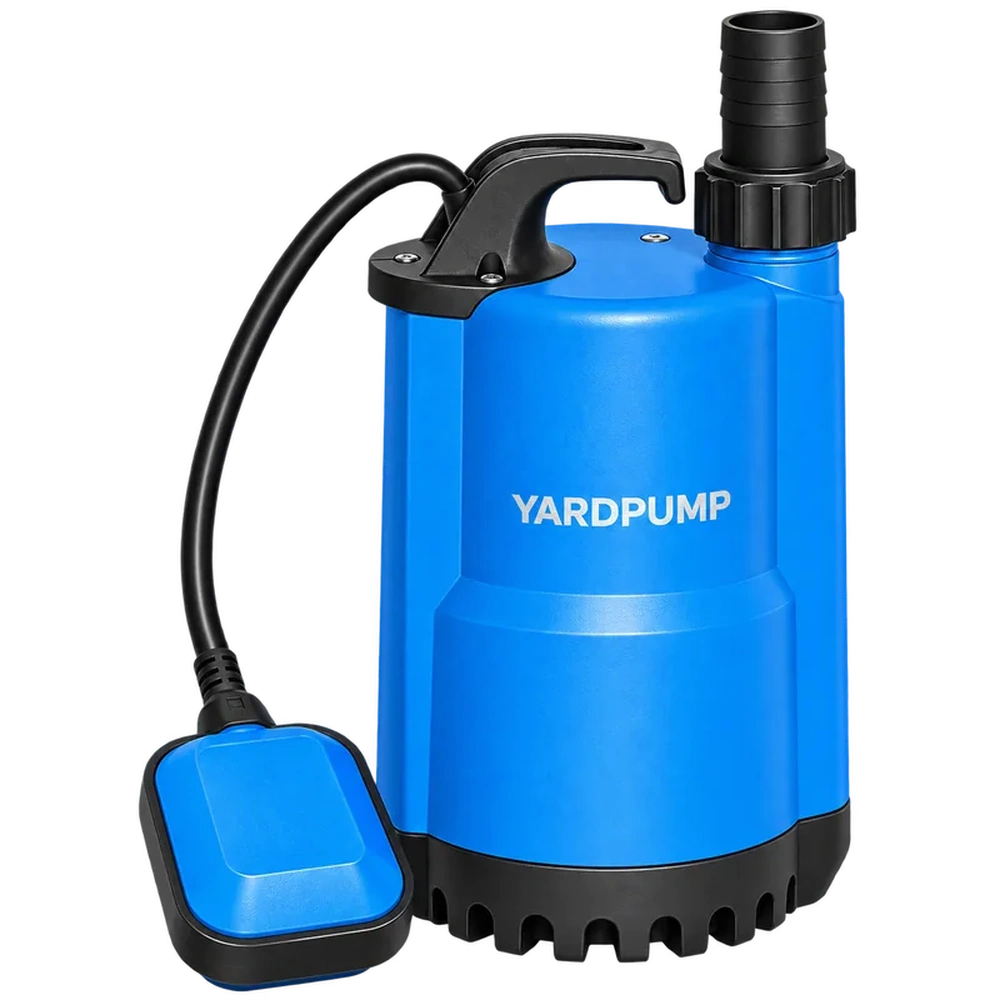
Imagine a user puts a fine fabric bag around a clean-water submersible pump to catch debris in a rainwater tank. The bag has just been washed, but delivery drops as soon as the pump starts. Look first at whether the fabric deforms and covers the inlet. The bag can show a large area at rest while leaving a much smaller approach area during operation. Do not select a bigger pump to pull harder through an unverified bag. Check the filtration arrangement and permitted liquid first.
A clean mesh can still lose usable area
Water crossing the mesh and approaching the inlet can create a pressure difference that draws flexible material toward the pump. A portion against the intake grille, housing or floor no longer has the same access to incoming water. Folds can bring several layers together. In a different case, the bag stays open but particles progressively block its pores. Both effects can coexist. A drop right after starting suggests checking shape; a gradual drop suggests checking deposits. Timing is useful evidence but does not establish the cause on its own.
With the equipment isolated and safe, inspect for contact marks, creases, a loose closure or damage. Do not reach into energised water to pull the bag away, or remove the pump’s original inlet guard to test for greater flow. If the bag is not an approved arrangement, stop using that setup and check the permissible options. Do not compare by pumping debris with the protection removed.
Run a comparison that preserves the operating conditions
Have suitable personnel compare the approved original configuration with an approved filter arrangement under controlled clean-water conditions. Match starting depth, hose and discharge elevation and use the same observation interval. Note whether the mesh deforms before it collects debris, whether stable flow changes and whether cleaning or restoring the original configuration changes the result. If there is no approved way to run the flexible bag, inspect it with the equipment isolated rather than deliberately reproducing a collapse. A rigid filter still needs an approved flow area, media limit, maintenance method and space.
Consider a hypothetical geometry. A bag exposes about 200 square centimetres of mesh at rest. Under flow, 150 square centimetres lies against the pump or folds over another surface, leaving about 50 directly open to incoming water. Those numbers describe contact area. They are not actual open-pore area, and they do not predict that flow falls to one quarter. Pore fraction, resistance, water level and the pump’s operating point all matter.
Change filtration or pump selection according to the result
If the approved setup delivers normally with the correct liquid but the flow drops immediately with an added bag, address the filtration layout before blaming the motor. If delivery remains low with a permitted clean-water setup and comparable piping, check head, inlet, hose and wet-end condition. Do not widen openings or increase power to hide the problem. If the site regularly sees soft debris, sand or fibres, select equipment for the actual medium and use settling or approved upstream filtration as needed. A mesh bag that looks clean at rest still has to keep an open water path while the pump runs.
For a separate basket, specify the exposed area after installation and how it will be cleaned, as well as the opening size. A face pressed against a wall or buried in settled debris may pass little water. Record how the operator can recognise a drop in delivery, and how the basket can be removed safely after isolation.
Frequently asked questions
Does finer mesh always give better protection?
It can catch smaller particles but increase pressure drop and clogging. Check the medium, approved area and operating conditions.
Will tying the bag tighter stop it collapsing?
It might put material closer to the inlet or change the forces on it. Do not tie it to the cord or float; use an approved arrangement.
Should I wait if flow is low immediately after starting?
Check that the pump has permitted water depth and sustained discharge. Stop under the instructions if flow fails, the level is too low or there are abnormal signs.