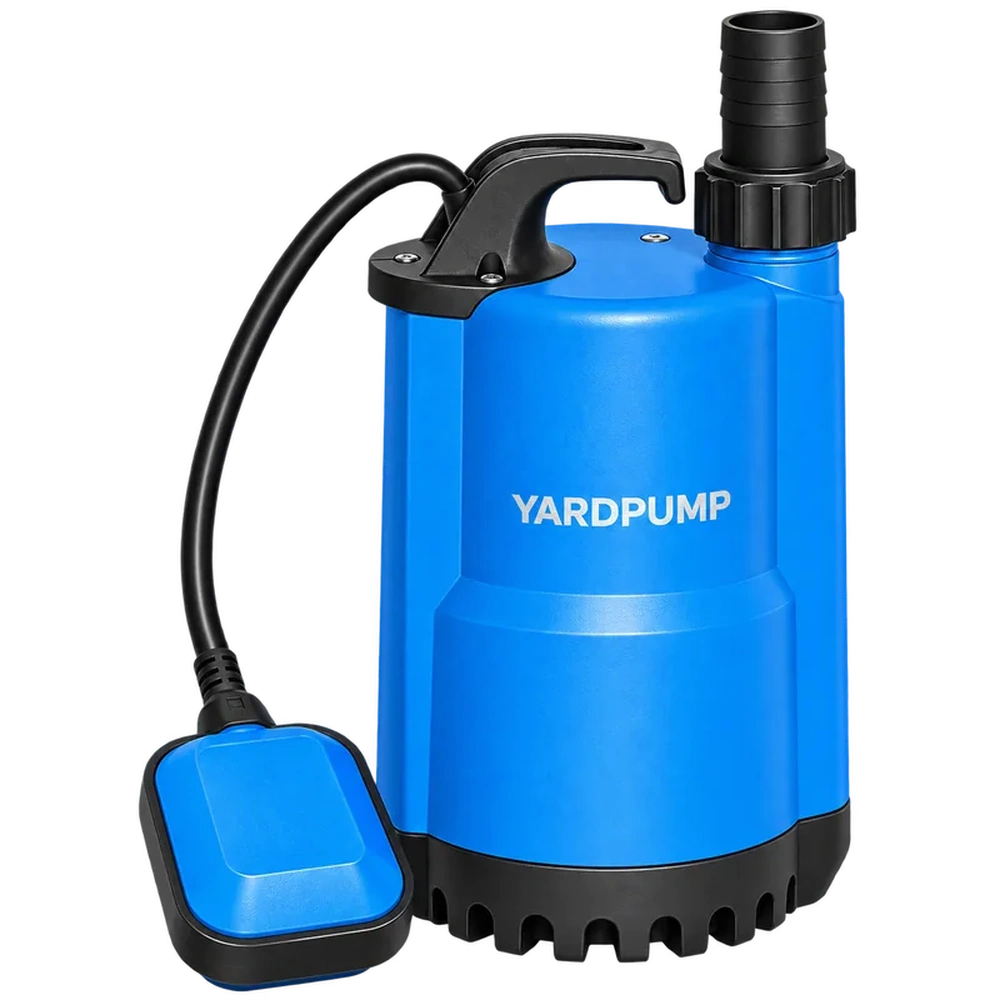
Consider this garden setup. A compact clean water pump in a rain tank once threw water as far as the garden fence. After a one inch shutoff valve was added, the handle opens fully but the sprinkler falls short. Before buying a larger pump, look at the passage through the valve. Fully open means the ball is in its open position. It does not mean every part of the installed flow path is as wide as the adjoining hose. A small bore through the ball, or restrictive fittings on either side, can consume head.
Look at the passage and the pressure it leaves
Ball valves are available with full and reduced ports. Check what those terms mean on the exact part and compare the ball bore, the end fittings and the hose's actual inside diameter. The moulded or stamped size commonly describes the connection. The valve data identifies the internal opening or gives a flow coefficient. Do not infer hose bore from a nominal thread dimension. If the tail inserted into the hose already creates a restriction, replacing the valve removes only one part of the problem.
At the same flow a smaller passage makes the water move faster. Contraction and subsequent expansion can dissipate some of the energy. For example, at 20 litres a minute, mean velocity in a round 25 mm opening is about 0.68 metres per second. In a 15 mm opening it would be about 1.89 metres per second. This explains why the local loss can matter. It does not predict the reduction in actual flow. Passage shape matters, and the final flow is set by the pump curve and the resistance of the whole system.
Fix the comparison before trying two valves
Look for pressure loss at the same flow for the candidate assemblies. Include their adapters. If a supplier provides only a flow coefficient, check the units, definition and conditions instead of subtracting numbers from different conventions. A buyer can specify the greatest acceptable loss through the assembly at an agreed flow, naming the liquid, temperature range, orientation and interfaces. That gives receiving staff a more useful check than a full port description on a quote.
On site, look for other changes first. Has the tank water level dropped? Is there a new bend, a blocked sprinkler or a connector with a water stop? After shutdown, electrical isolation and pressure relief as instructed, a suitable installer can restore the old approved arrangement or fit a documented comparison assembly. Compare stable flow and the required pressure at the same sprinkler, with similar water level and hose routing. Do not dismantle a live or pressurised line or close the discharge to take a reading on a pump that is not approved for that duty. Changing the hose, sprinkler and valve in the same test leaves the actual cause unclear.
Keep enough head for the sprinkler
Start with the flow the sprinkler needs. Add the rise from the source water surface to the sprinkler, hose losses and the valve assembly loss. Then check what head the pump can deliver at that flow. If removing the valve and fitting restriction restores the necessary pressure, fit a compatible valve assembly. If that extra loss is small and the long hose or elevation already puts the pump below duty, reconsider the hose bore or pump choice. Use the valve and pump within their liquid, pressure, temperature and operating limits. Observations in clean garden water do not qualify the same arrangement for dirty water.
Also note hose support at the assembly. If a replacement valve pulls an unsupported line into a sharp bend, the new kink is a separate restriction. Record it separately rather than counting it as measured valve loss.
Frequently asked questions
Does a handle parallel to the pipe prove that a valve is full port?
No. It usually indicates the open position. Bore and pressure loss must be checked against the part information.
Can pressure rating tell me which valve has least restriction?
No. The rating describes a use limit. Pressure loss at the flow of interest is a separate property.
What if a better valve does not restore sprinkler throw?
At a comparable tank level, check the hose, fittings and pressure at the sprinkler. Then use the pump curve to identify the remaining shortfall.