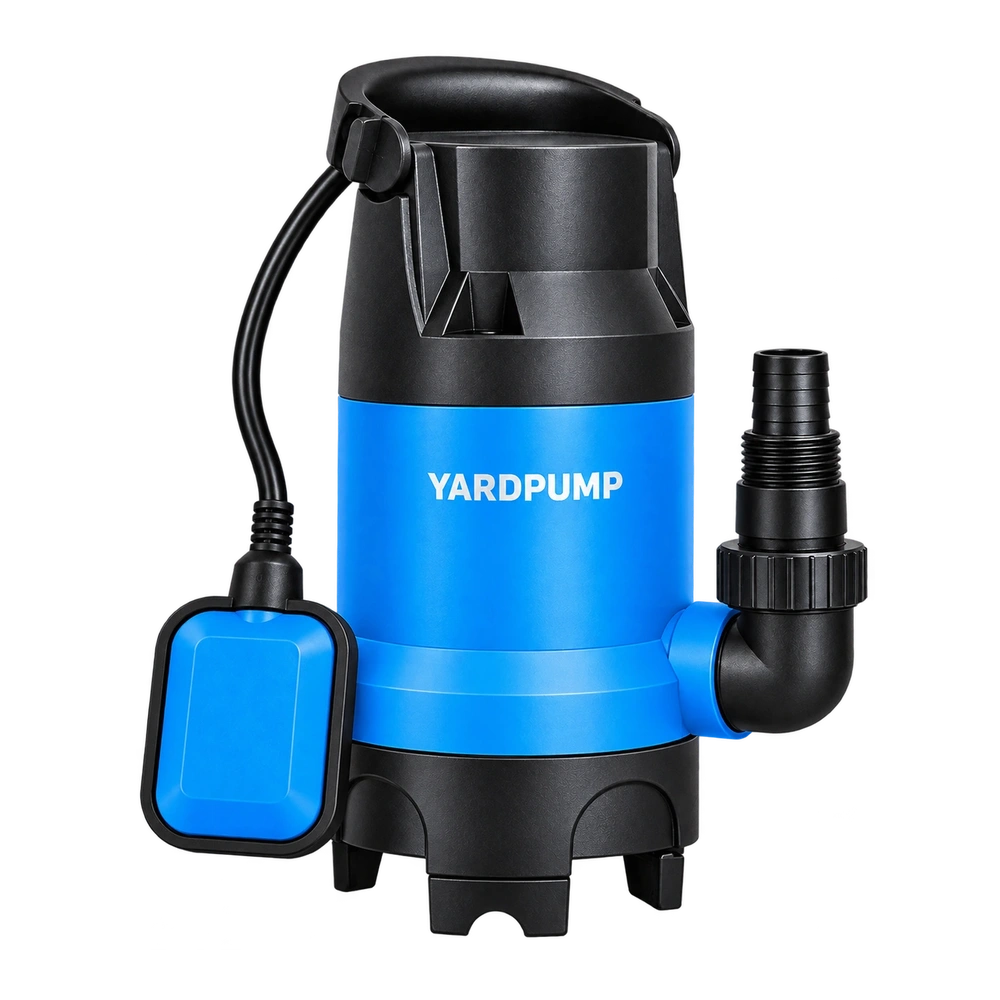
A livestock trough needs a modest daily volume. Will a small pump refilling it slowly be enough? Check short periods of concentrated drinking, accessible stored water and delivery through the actual inlet valve. Meeting the daily total does not guarantee adequate water when several animals drink together.
Separate daily supply from refill rate
Daily demand helps establish source and overall supply capacity. Refill rate determines how quickly the trough recovers during and after a peak. Weather, animal numbers and growth stage affect demand, so use locally appropriate information and competent agricultural advice rather than one universal per-animal figure.
Also establish the drinking space and accessible water depth. The trough's external capacity is not necessarily usable storage. Water below the accessible level or outside the control system's usable range should not be counted as peak-demand buffer.
The pump is one part of this arrangement. A suitable source, pipeline, valve and storage volume must support the same task.
Calculate the temporary volume deficit
In a hypothetical ten-minute period, animals remove 180 litres while actual inlet flow is 12 L/min. Only 120 litres enter during that period, leaving approximately 60 litres to come from stored water. This simplified calculation is not an animal-demand recommendation and excludes control delay and additional allowance.
Selecting from an all-day average can hide that short-term deficit. More storage can help, but water quality, cleaning, accessible depth and recovery time still matter. A larger trough is not automatically the best answer.
| Information | Decision supported | Frequent confusion |
|---|---|---|
| Available source capacity | Sustainable supply | Pump nameplate flow |
| Peak withdrawal | Short-term deficit | Daily average demand |
| Usable storage | Peak buffer | External trough volume |
| Flow after the inlet valve | Actual recovery speed | Unrestricted pump discharge |
The valve may be the limiting point
A long pipeline, elevation, fittings and float valve all affect available delivery. A strong-looking stream at the pump can coexist with inadequate flow through the trough valve. Measure the installed arrangement under the relevant level conditions instead of using a free-discharge demonstration beside a bucket.
Establish whether the pump may operate at low flow or against a closed valve, and how it stops when the trough is full. An ordinary drainage pump should not be assumed suitable for extended deadheading behind a closing float valve.
Water-level control at the trough and electrical shutdown of the motor are not automatically the same function. Specify how the two interact and what happens if the valve or control fails.
Protect the source and installation
Prevent trough water from contaminating the source through return flow. The appropriate separation and backflow arrangement require assessment for the actual system and local requirements.
A clean-water description also does not independently establish animal-drinking-water contact suitability. Review the wetted materials and supporting intended-use information for the specific pump.
Protect equipment and cables from trampling, chewing and pulling. Qualified personnel should confirm the electrical installation. Isolate power before cleaning, repair or relocation; do not improvise live connections in water or within animal access.
Accept the least-favourable planned conditions
Record refill flow, recovery time, control action and usable volume at the relevant source and trough levels, elevation and valve condition. If several troughs share one pump, test the agreed simultaneous-use combinations.
Retain cleaning, monitoring and water-shortage response arrangements. An installation that can remain unnoticed after a supply interruption may require additional supervision or controls appropriate to its consequences.
The purchasing objective is reliable completion of the water-supply task, not an attractive maximum-flow figure. This article does not prescribe livestock water requirements or establish this use as suitable for every YARDPUMP model.
Frequently asked questions
Why can a trough run short when daily volume is sufficient?
Peak withdrawal can exceed both refill flow and usable storage. Evaluate the periods separately.
Will a larger pump always increase float-valve delivery?
No. Valve and pipeline restrictions may dominate. Pressure and control limits also need review.
Can any clean-water pump supply animal drinking water?
Do not decide by the name alone. Verify intended contact use and material evidence.