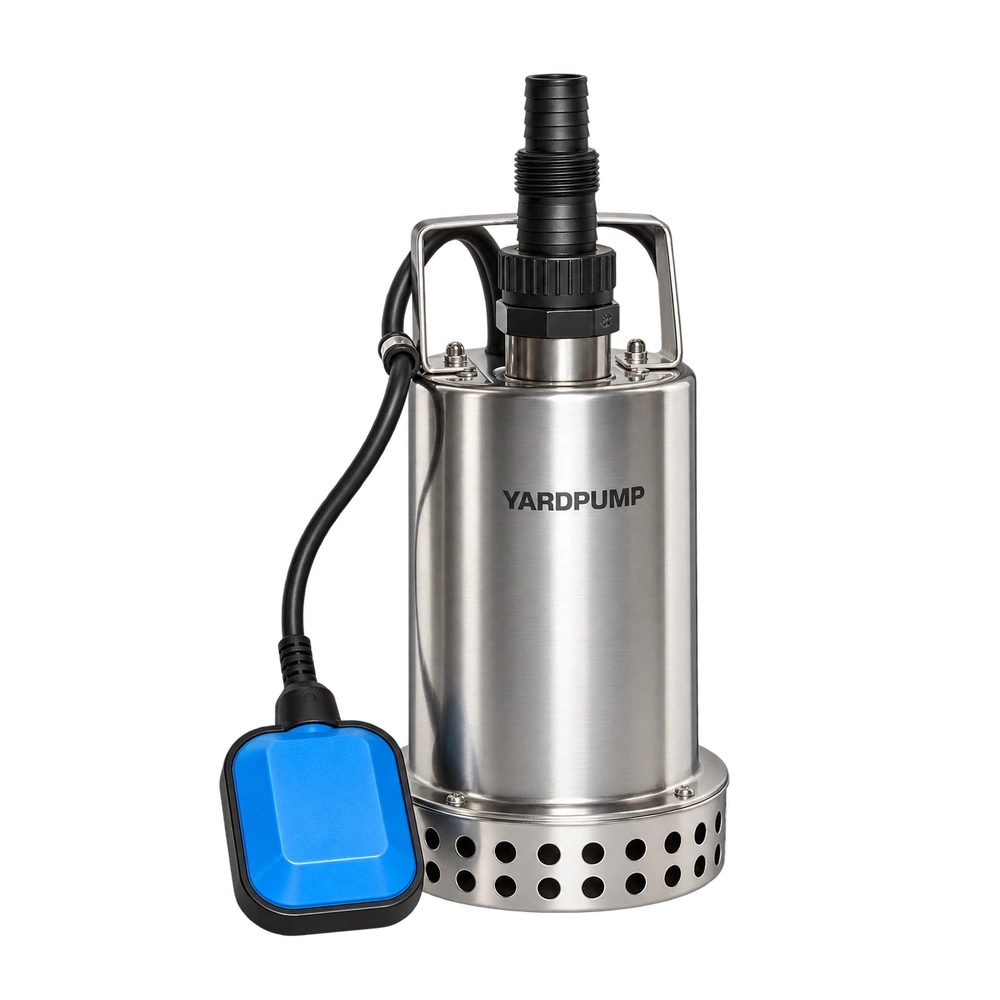
A utility pump has cleared enough clean water from a tiled floor for the grout lines to show. Ten minutes after it is removed, a puddle forms against the wall. The new puddle is not a measurement of the pump's residual water depth. A low-level pump moves water that can reach its inlet. If a mat, joint, or adjoining space starts releasing water after shutdown, work out where it came from before deciding to pump again or to change equipment.
Look for the first wet edge
Once the water and electrical conditions have been confirmed safe, choose two observation points. Keep one beside the former pump location and the other beside the edge that first goes wet. Note both at shutdown. Then watch from a safe position as the wet front moves. A floor's lowest point is where the puddle eventually collects, which may be well away from the source. A picture taken only after the puddle has spread can send the investigation to the wrong place.
An even film present at the moment of stopping may be the residual layer for that pump and floor. A narrow band spreading out from a previously dry joint suggests water arrived later. The rate can help. Water held under one mat may taper off once the mat is removed. A similar rise on successive observations can mean a source is still active, but can also mean a larger adjacent space is draining slowly. Neither inference is proof from a single photo.
Separate water released nearby from water that is still coming in
Take a hypothetical clean-water spill whose supply has already been shut off. After an accessible, safe-to-handle wet mat is removed, about two litres are collected from below it and from the adjoining edge. Ten minutes after wiping, there are only scattered wet marks and the next collection is much smaller. A lower published suction level will not make a pump lift moisture out of the mat. Moving accessible standing water to a suitable collection point, then dealing with the thin layer using appropriate wet pickup equipment, addresses what remains. The quantities and interval illustrate a comparison; they are not criteria for declaring material dry.
Check whether discharge water is returning from outside the cleanup area. Look at the outlet location and any channels that could carry water back. A hose can also contain water that drains from an open end after shutdown. Compare when that event occurs with where the first new puddle appears. Do not improvise a connection to an unknown drain or loosen a live or pressurised fitting to test an idea. If water continues to enter at the edge or there are signs of structural seepage, sewage, or damage, treat it as a source investigation and involve the appropriate professionals.
Collect a record that helps you choose equipment
For the same small, safe area of hard floor, record the depth at shutdown, whether the water is connected across the surface, where it first returns, and readings at three consistent intervals. When the instructions permit attended manual operation, observe starting depth, delivery and stopping as specified. Do not restrain a float, tilt the pump, or run the inlet out of water to chase a smaller number. Use the same scale and camera angle. If the first run never cleared the original water, check starting depth, hose setup and water condition separately. That is a different fault from water showing up only after a successful first pass.
The job has two parts: transfer accessible standing water and deal with the remaining wet layer or materials. The first calls for a pump and discharge route that work at the available depth. The second may need wet pickup, drying or building restoration. An active source changes the decision again. Reliability then depends on containing the inflow and arranging safe discharge, not on a lower number printed on a portable pump's box. This comparison is for a limited, confirmed clean-water situation. Unknown floodwater, damaged buildings and potentially energised areas need a different response.
Frequently asked questions
Does a dark mark after stopping mean there is still pumpable water?
A damp mark may have no connected layer. Check whether it collects in a puddle and whether the edge continues to advance.
Can I compare two pumps using after photos?
Use the same surface, volume, discharge setup and stopping conditions. Different photo timings can count newly arrived water against one pump.
Should I move the pump to the wall where the puddle appears?
First establish whether the edge is safe to approach and why water is coming from it. Pump placement can improve pickup, but does not stop a continuing source.