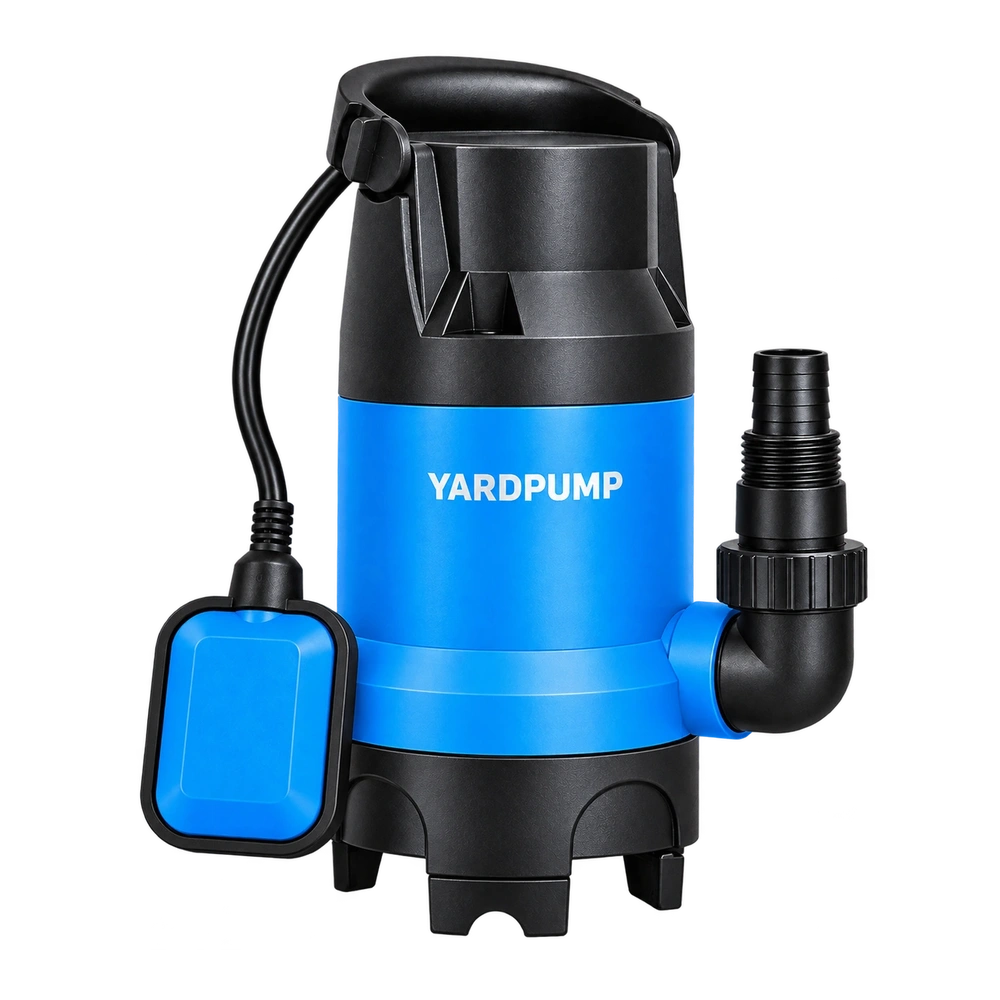
A high-flow pump in a rain barrel can still produce spraying emitters near the source and dry emitters at the far end. Drip irrigation needs stable inlet pressure within the emitter range and water clean enough for the small passages. The pump, filter, pressure regulator, main-line diameter, zone length and total emitter demand must be selected as one system.
What drives the result
A centrifugal pump operates where its curve intersects system resistance. A regulator does not create pressure; it controls downstream pressure only when upstream pressure and flow are sufficient. As a filter loads, differential pressure rises and the far emitters lose delivery first. An undersized main line accumulates friction, while too many emitters can demand more flow than the pump supplies at the required head. Very small zones can also cause short cycling in some automatic pump arrangements.
An illustrative way to check
For a method example, one hundred emitters rated at two litres per hour require a theoretical 200 litres per hour. That number addresses flow only. The emitter pressure, the regulator's minimum inlet condition and filter loss still matter. If the pump supplies only 150 litres per hour at the combined head, poor distribution at the remote end is expected.
An RFQ should not ask only for a rain barrel drip irrigation pump. It should state the liquid, highest and lowest water levels, vertical lift, hose bore and length, target emptying time, solids or fibres, electrical supply, and whether operation is supervised or automatic. The supplier can then identify a duty point instead of combining maximum flow, maximum head and rated power as though they occur together. Validate the first sample through a complete start-run-stop cycle in the intended piping. A brief no-load sound check does not represent the service.
Actions for the site or purchasing team
- Count emitters in each zone and record their rated flow, pressure range and elevation. Do not substitute pump maximum flow for a demand schedule.
- Take water above the barrel sediment layer. Provide maintainable coarse screening followed by filtration appropriate for the emitters.
- Read pump flow at the combined static head and the losses of pipe, filter and regulator.
- Split an oversized zone, maintain adequate main-line bore and use balanced branch layouts where possible.
- Measure pressure or timed collection at the first and farthest emitters, and compare results before and after filter cleaning.
Limits and application boundary
Emitter and regulator working pressures vary, so no universal pressure figure applies. Confirm whether the exact drainage pump permits frequent cycling, restricted discharge and prolonged irrigation service.
Frequently asked questions
Can a regulator increase low pressure? No. It can only reduce and control pressure when adequate upstream conditions exist.
Is total emitter flow enough to select the pump? No. Add elevation, pipe loss, filter loss and regulator requirements.
Is finer filtration always better? Filtration must meet emitter needs and remain maintainable; an undersized fine filter creates rapid pressure loss.
Related reading
One Garden Pump, Two Irrigation Branches: How Much Flow and Pressure Are Needed?
How Much Garden Can One Rain Barrel Water? A Practical Water-Budget Calculation