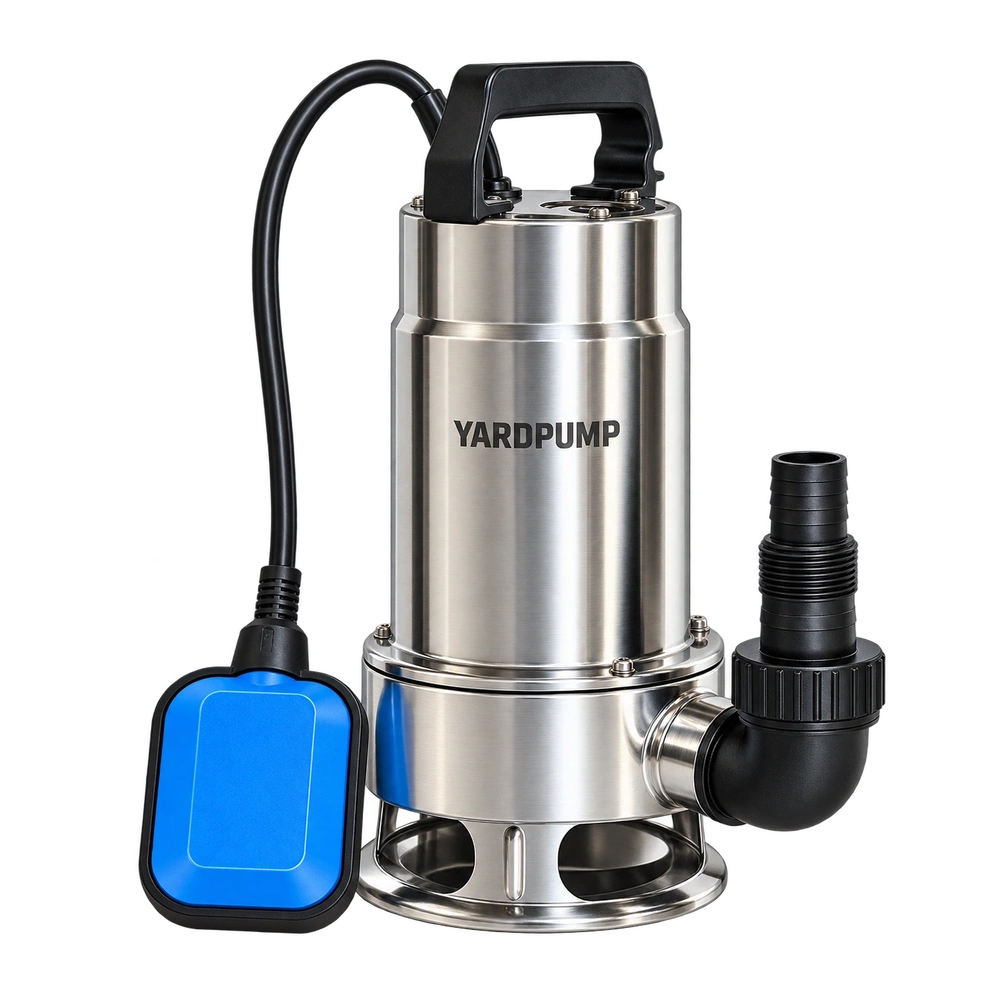
Consider a planted depression beside a commercial building. It fills during a storm and remains wet the next morning. The maintenance crew suggests putting a float pump in the bottom. First check the intended drawdown time and the actual water-level trend after inflow has stopped. A rain garden is meant to hold runoff for a period. Ponding can be normal, or it can point to clogged surface media, saturated ground or a blocked underdrain. Pumping can hide those distinctions and send water somewhere that was not intended to receive it.
Read the installation before reading the water level
Find out whether the bed relies on infiltration into underlying ground, uses an underdrain, or includes a raised outlet for temporary storage. Identify where inflow enters and where exceptional water is supposed to overflow. The installation drawing and maintenance plan matter; there is no universal requirement for every site to be dry the following morning. A bed with a raised outlet may be designed to retain water below that elevation. A surface with long-lasting water above the planting zone deserves a different investigation.
After a suitable event, mark the time at which runoff into the bed ended. From outside the bed, measure the water level against a fixed stake or other approved mark. Take subsequent readings, note any later rain or irrigation, and record whether the outlet is submerged or blocked. A photograph at the same angle helps identify whether one bay holds water while the rest drains. Avoid entering wet media: foot traffic can compact it and disturb the evidence you are trying to inspect.
Use the slope of the level record
Suppose, for illustration, that water depth above the same marked spot is 100 millimetres at the end of inflow, 70 millimetres eight hours later and 10 millimetres after 24 hours. The water is falling steadily. Compare that behavior with the design and previous events before interpreting the first morning’s ponding as failure. Contrast it with another hypothetical record: 100, 95 and 92 millimetres, with no new rain. That small change calls for inspection; it does not identify the cause by itself. Because the bed’s flooded area changes with level and some water evaporates or infiltrates, a change in depth alone cannot be turned into pump capacity.
If only a depression near the inlet stays wet, look for a sediment fan, rut or compacted patch. If the whole bed holds water while the receiving ditch or pipe is flooded, the downstream level could temporarily prevent underdrain flow. If the downstream connection is clear, ask maintenance staff to check the approved cleanout and media condition. Compare after both a small and a larger storm; what happens on already saturated ground can differ from the first rain after a dry period. Do not drill through a liner or modify an outlet to make the level fall faster without a design review.
When a temporary pump can make sense
A site manager may approve temporary pumping when water threatens a building or maintenance requires access. Agree on the receiving location, sediment controls, a stop level and electrical safety before setting up the pump. Keep the intake away from planting media and protect it against blockage. If runoff is contaminated or its destination is uncertain, stop and have the owner check applicable requirements. An emergency operation and a permanent alteration are different decisions.
For a permanent solution, give the designer the level record, photos of the inlet and overflow, the outlet status and the rainfall context. Ask whether the intended drawdown is being met and which path limits it. A pump installed without that evidence can convert a temporary storage feature into a direct discharge. The first useful tool for diagnosis is a fixed mark and a clock.
Frequently asked questions
Is water below the overflow always harmless?
No. The overflow sets one elevation. How long water remains and where it stands relative to the intended media and planting levels also matter.
Can I time the bed while roof water is still entering?
Log it, but do not treat it as a drawdown measurement. Start the drawdown clock after significant inflow stops.
If the outlet is dry, does that prove a blockage?
No. An infiltration bed may have no underdrain flow in that condition, and a raised outlet may be above the water level. Check the actual design.