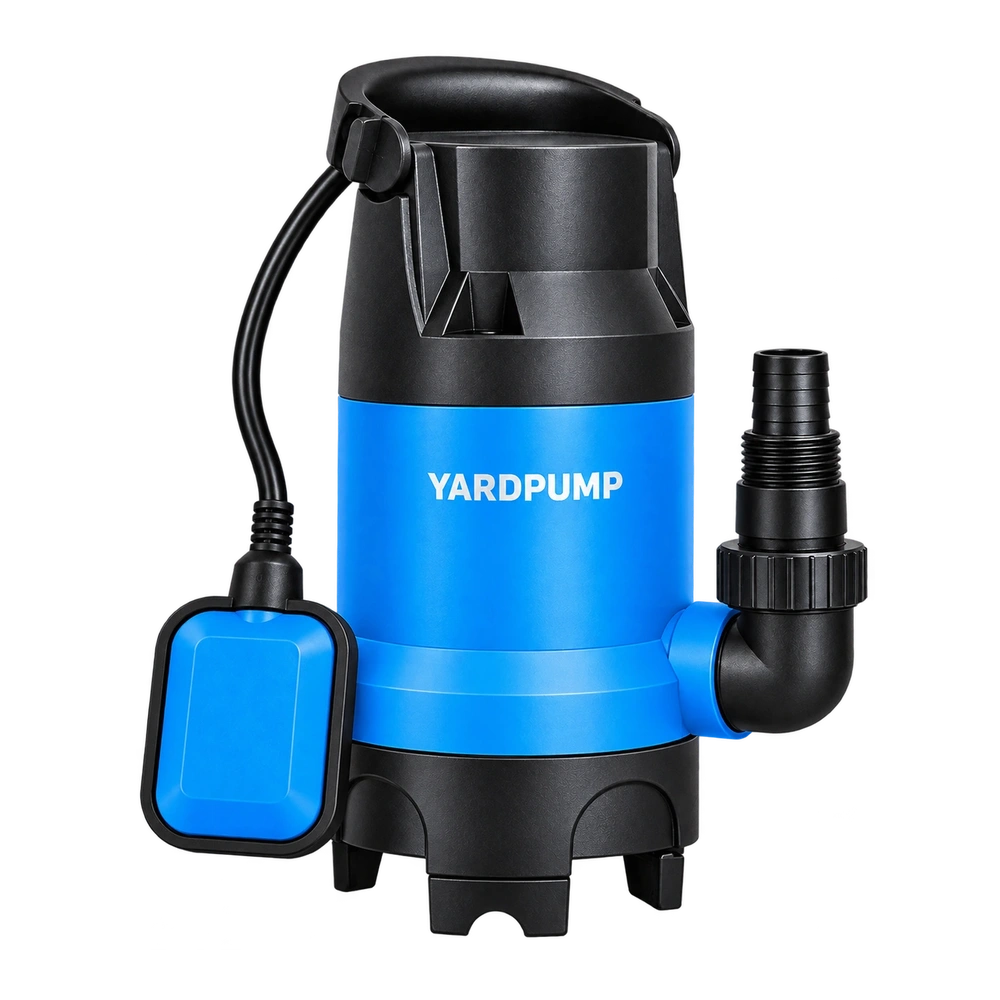
A rain barrel already has an inlet screen, yet sediment accumulates and the pump needs frequent cleaning. Does it also need first-flush diversion? Screening and diversion act at different stages. A screen intercepts some objects according to its openings. A diverter separates part of the early roof runoff before storage. They can complement each other, but neither guarantees clean water or suitability for every use.
The collection surface accumulates material before rain
Leaves, dust and other deposits can remain on a roof during dry weather. Early runoff carries some of that accumulation into the drainage system. A screen may intercept larger solids without removing every fine particle or dissolved substance. Selecting a finer screen can also increase blockage and maintenance demands rather than resolving every quality issue.
First-flush diversion separates selected early runoff. It does not disinfect the water arriving afterwards. Roof material, contamination sources, dry intervals and the rainfall pattern influence the result. A diverter therefore does not remove the need to assess the tank, water condition and intended use.
Upstream diversion does not replace tank management
A diverter generally sits along the route from roof drainage to storage, following the system design and manufacturer's arrangement. Intake position, sediment and pump-inlet conditions inside the tank still matter. Installing a diverter will not automatically remove deposits already present at the bottom.
Check whether water enters the system as intended and where overflow goes when storage is full. Blockage or incorrect assembly can send water somewhere unintended. More pump capacity does not replace complete roof-drainage and tank-overflow design. Electrically powered pumping should not be assumed to provide the only overflow safeguard.
| Stage | Main contribution | Remaining check |
|---|---|---|
| Inlet screen | Intercepts some larger debris | Blockage, damage and cleaning |
| First-flush diversion | Separates some early runoff | Capacity, drainage and reset |
| Tank draw-off | Avoids an unsuitable intake location | Sediment and changing level |
| Point-of-use treatment | Meets the specified use requirement | Not replaced by upstream devices |
Do not invent a universal diversion volume
Volume depends on catchment area, surface condition, contamination risk, climate and relevant local guidance. For a geometric illustration, one millimetre of rainfall across 100 square metres represents 100 litres before runoff losses. This is an area-times-depth conversion, not a recommendation that every roof of that size divert 100 litres.
Too little capacity may miss the design objective, while excessive diversion reduces stored yield. Light rain, closely spaced showers and slow drainage change the next event's actual behaviour. Understand the device's operating logic rather than selecting it solely by product name or pipe outside diameter.
A device that does not reset may miss the next event
Drain, clean and reset the assembly according to its instructions. Small discharge openings or moving parts can become obstructed. Set maintenance around actual debris loading and inspect whether normal operation is restored. Self-emptying does not mean maintenance-free. Altering drain holes to speed emptying can change the intended operation and should not be improvised.
Maintenance also has access, electrical and water-hygiene boundaries. Isolate power before clearing a pump inlet. Use suitable professional arrangements for roof work or enclosed-tank access rather than entering an unsafe location to inspect a small fitting. The benefit of a diverter does not justify creating another maintenance hazard.
Protect the pump through the whole system
Pump selection still needs actual solids, temperature, liquid condition, duty and water-level limits. Diversion, screening and suitable intake positioning can reduce some loading, but cannot approve an otherwise unsuitable pump for a new medium. Confirm the requirements for irrigation, toilet flushing or other uses independently, including separation from potable-water systems.
The practical goal is a collection and maintenance chain with clear responsibilities. A screen can remain useful even with diversion, and a well-positioned pump still benefits from upstream control. None of those individual parts should be marketed as a complete water-quality guarantee.
Questions about first flush
Does a screen eliminate the need for diversion?
Not necessarily. They perform different functions. Decide from catchment conditions, use and system design.
Is diverted rainwater automatically drinking water?
No. Suitability needs a complete assessment and any required treatment. Diversion alone cannot establish it.
Does a self-emptying device need maintenance?
Yes. Check drainage, obstruction and reset according to the specific instructions. Automatic operation is not a maintenance exemption.