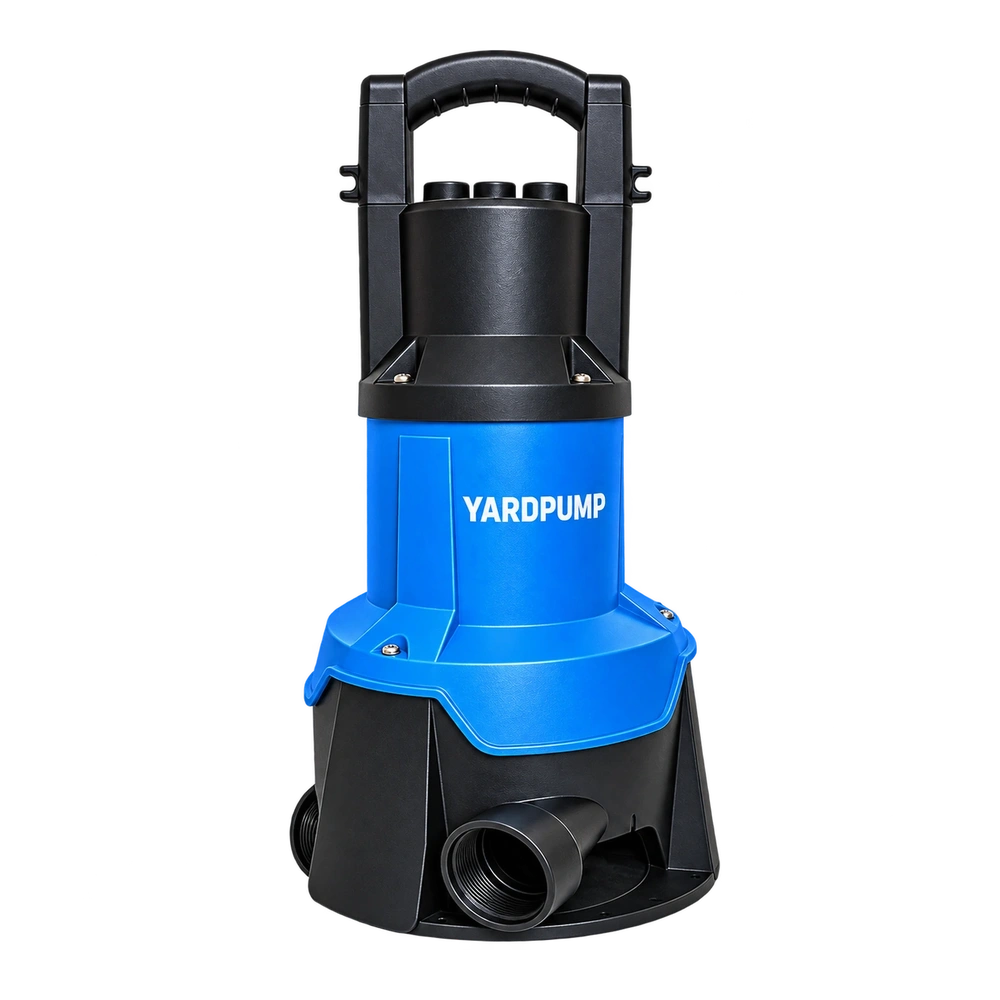
Picture the first service visit to a new sump. The pump fits into a new sump. The discharge pipe turns out to be glued from the pump almost to the wall. The line must be cut even after the pump has been isolated. Specify an approved removable connection early, with room to withdraw the assembly and manage trapped water. Being able to loosen the union nut is only one part of service access. Check the load on the pipe, water above valves and the electrical controls as well. There is no single union height for all sumps.
Draw the route the pump will take out
Mark the pump outlet, discharge, check valve, any approved isolation components, supports and lid opening. Decide which parts will come out with the pump and which stay on the building pipe. Leave tool access and enough axial space for the two sides of the joint to separate. A nut near a wall can turn freely yet the fixed pipes may not move far enough to disconnect. Check that the pump can pass the opening without catching the float or cord. Do not lift by the power lead. A low joint can be inaccessible from a safe position; a high one can leave too long a rigid section attached to the pump.
Follow the manufacturer's arrangement for the actual pump and valves. Identify how much water each side can hold, how backflow will be managed and whether the fixed pipe can support itself when the joint is open. A check valve limits reverse flow but is not proof of a safe service isolation. It can leak, and any additional valve or draining method must be part of the approved design. Electrical isolation, relief of retained pressure and safe collection of water are for qualified personnel. Do not open a pressurised fitting for convenience.
Work out which water could reach the joint
In a purely illustrative example, a flooded pipe 3 metres long and 40 mm in internal diameter contains about 3.8 litres. If the union opens at a low point in that connected section, consider whether the water will run toward the worker. A connected high leg or leaking valve can add to it. The example shows how to use actual bore and connected length. It is not a specified container size. Contaminated sump water must not be released onto the floor or towards electrical equipment.
Ask the installer to specify normal flow direction, the approved isolation method, where retained water can go and how the upper pipe is supported. A controlled disconnection and refit during commissioning can reveal whether the fixed line was accidentally relying on the pump or a flexible hose for support. On a duplex system, check whether the other pump could feed the disconnected section and how much drainage remains during service. Identify the parts so the check valve is not reversed and a union gasket is not lost at reassembly.
Make the choice about the whole layout
A narrow access cover does not necessarily call for a different pump. It may call for a shorter removable section or a better location agreed by the designer. Adding a union will not fix an overloaded outlet, an inaccessible valve, or a cord that still has to be pulled. When reassembled, verify sealing, support, valve orientation, float travel and delivered flow, especially if the new route adds bends. Walk through the removal on the drawing before choosing the install. A serviceable layout lets the pump come out without damaging the building pipe.
Record the union seal and spare part as well. Keep the gasket number, orientation and interchangeability limits from the first installation so a similar fitting with a different sealing face does not become the replacement. Return the revised disconnect drawing to the service record.
Frequently asked questions
Must the union go below the check valve?
There is no universal position. Follow the pump and valve documents and consider support, isolation and retained water.
Is a large lid opening enough?
No. The pipe must separate and the movable section must clear the opening with the pump.
Can I loosen the joint if a check valve is fitted?
Do not rely on the check valve for service isolation. Have qualified staff isolate power, depressurise and manage possible backflow.